THE ADVENTURE COLLECTIVE® · Independent discovery and booking for outdoor travel

Four days along Iceland’s South Coast compress a lifetime of landscape into a single route: waterfalls, black sand beaches, the turquoise Jökulsárlón Glacier Lagoon and an expert-led descent into a crystal ice cave. Expect long scenic drives, glacier gear provided, and real chances to see the Northern Lights.
Four days along Iceland’s South Coast compress a lifetime of landscape into a single route: waterfalls, black sand beaches, the turquoise Jökulsárlón Glacier Lagoon and an expert-led descent into a crystal ice cave. Expect long scenic drives, glacier gear provided, and real chances to see the Northern Lights.
The bus slides out of Reykjavík before dawn, headlights cutting through mist as the coastline opens like a changing map. Low volcanic ridges give way to black sand plains and, eventually, the vast white of Vatnajökull—Europe’s largest ice cap—looming on the horizon. On this four-day circuit of Iceland’s South Coast, each stop is a concentrated lesson in water, fire and ice: waterfalls that thunder, beaches that swallow light, and a glacier that stores centuries of weather in its deep blue veins.
Verified experiences and guided adventures in the surrounding area.
Operated by Snaeland Travel · Reykjavík, Capital Region
The bus slides out of Reykjavík before dawn, headlights cutting through mist as the coastline opens like a changing map. Low volcanic ridges give way to black sand plains and, eventually, the vast white of Vatnajökull—Europe’s largest ice cap—looming on the horizon. On this four-day circuit of Iceland’s South Coast, each stop is a concentrated lesson in water, fire and ice: waterfalls that thunder, beaches that swallow light, and a glacier that stores centuries of weather in its deep blue veins.
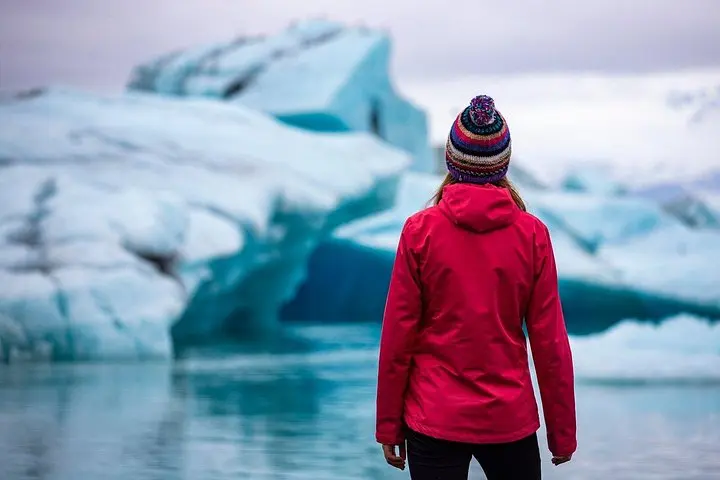
Seljalandsfoss and Skógafoss arrive early in the itinerary but linger in memory—Seljalandsfoss allows the rare perspective of walking behind a curtain of water, while Skógafoss’s spray frequently births rainbows. Reynisfjara’s basalt columns and the Reynisdrangar sea stacks demonstrate the island’s volcanic origins; waves here are bent by the submarine cliffs and command respect. The real geological show opens at Jökulsárlón Glacier Lagoon and Diamond Beach, where icebergs calved from Breiðamerkurjökull float like luminous sculptures before tumbling onto black sand.
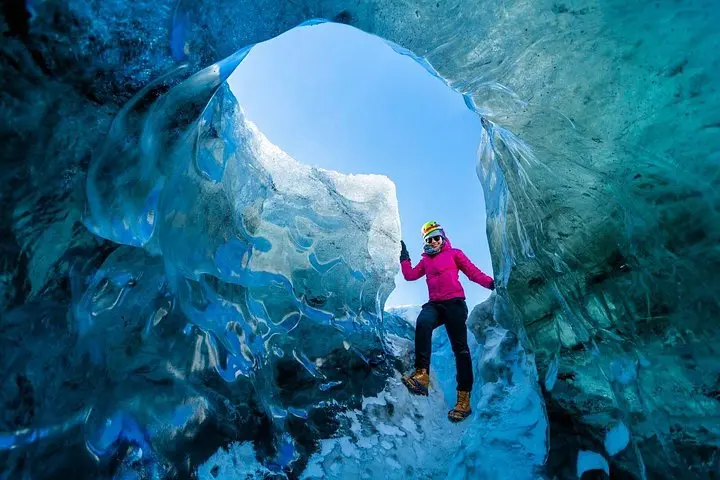
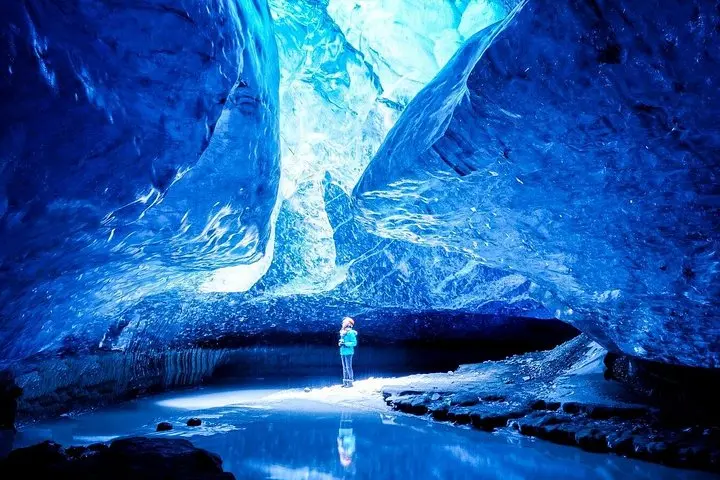
Vatnajökull’s ice caves, formed each winter by meltwater and refreeze cycles, are fragile, moving structures. Expert guides lead small groups into crystal-blue tunnels, explaining crevasse formation, moulin channels and the glacier’s slow, inexorable flow. Iceland’s Norse-settler history and more recent fishing and farming traditions ripple through the coast’s place names and humble turf houses; the landscape has always demanded practical knowledge as payment for its beauty.
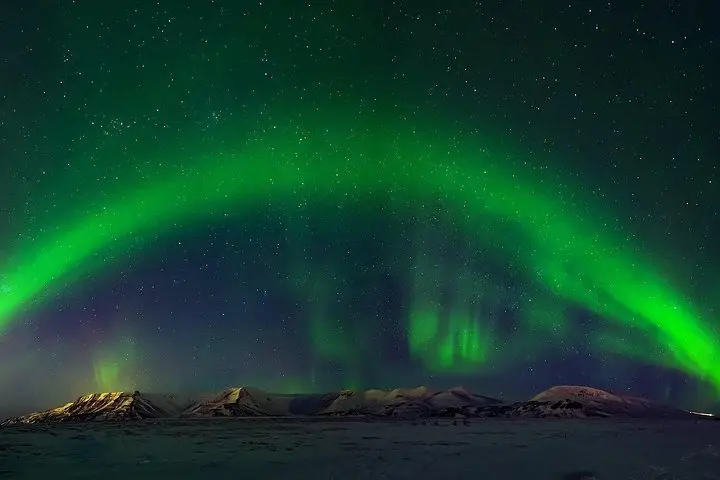
Practical planning is straightforward but crucial. Expect long scenic drives—plan on 4–5 hours of road time one way between Reykjavík and Jökulsárlón—so pack layers, waterproof outerwear and a daypack for short walks. Local guides supply helmets, crampons and ice axes for cave access; sturdy, waterproof boots are non-negotiable. The best chance of seeing the Northern Lights is a dark, clear night away from urban glow—this itinerary includes a countryside hotel positioned for aurora viewing.
Timing matters: ice caves are most stable in winter (roughly November–March), while summer offers longer daylight and puffin season on coastal cliffs. Bring extra batteries and a tripod for low-light aurora and blue-ice photography; phones capture the moment, but a slow shutter and steady base reveal the glacier’s textures.
This trip balances spectacle with safety: guides interpret the terrain and manage the risks so travelers can focus on the experience. Whether tracking the arc of a glacier tunnel or listening to waves pound a black shoreline, the South Coast makes a case for slow observation—move deliberately, dress for extremes, and leave only footprints on a landscape that’s still shifting beneath your feet.
Natural ice caves form and are most stable in winter months (roughly November–March); tour operators assess safety daily and only enter caves under safe conditions.
The operator classifies the tour as easy-to-moderate; it’s family-friendly but participants should be able to walk on a glacier with crampons and follow guide instructions.
No—guides provide helmets, crampons and instruction; prior experience is not required, but good mobility helps.
Aurora visibility depends on solar activity and clear, dark skies; staying in the countryside increases chances, but sightings can’t be guaranteed.
Small bags can be kept on the tour bus; larger luggage is stored at hotels—confirm with the operator if you have oversized items.
Breakfast is included at hotels; other meals are typically self-funded with planned stops to buy food during the day.
Snaeland Travel operates guided outdoor trips and adventures with an emphasis on safety, stewardship, and memorable experiences.
The bus slides out of Reykjavík before dawn, headlights cutting through mist as the coastline opens like a changing map. Low volcanic ridges give way to black sand plains and, eventually, the vast white of Vatnajökull—Europe’s largest ice cap—looming on the horizon. On this four-day circuit of Iceland’s South Coast, each stop is a concentrated lesson in water, fire and ice: waterfalls that thunder, beaches that swallow light, and a glacier that stores centuries of weather in its deep blue veins.
The bus slides out of Reykjavík before dawn, headlights cutting through mist as the coastline opens like a changing map. Low volcanic ridges give way to black sand plains and, eventually, the vast white of Vatnajökull—Europe’s largest ice cap—looming on the horizon. On this four-day circuit of Iceland’s South Coast, each stop is a concentrated lesson in water, fire and ice: waterfalls that thunder, beaches that swallow light, and a glacier that stores centuries of weather in its deep blue veins.
Seljalandsfoss and Skógafoss arrive early in the itinerary but linger in memory—Seljalandsfoss allows the rare perspective of walking behind a curtain of water, while Skógafoss’s spray frequently births rainbows. Reynisfjara’s basalt columns and the Reynisdrangar sea stacks demonstrate the island’s volcanic origins; waves here are bent by the submarine cliffs and command respect. The real geological show opens at Jökulsárlón Glacier Lagoon and Diamond Beach, where icebergs calved from Breiðamerkurjökull float like luminous sculptures before tumbling onto black sand.
Vatnajökull’s ice caves, formed each winter by meltwater and refreeze cycles, are fragile, moving structures. Expert guides lead small groups into crystal-blue tunnels, explaining crevasse formation, moulin channels and the glacier’s slow, inexorable flow. Iceland’s Norse-settler history and more recent fishing and farming traditions ripple through the coast’s place names and humble turf houses; the landscape has always demanded practical knowledge as payment for its beauty.
Practical planning is straightforward but crucial. Expect long scenic drives—plan on 4–5 hours of road time one way between Reykjavík and Jökulsárlón—so pack layers, waterproof outerwear and a daypack for short walks. Local guides supply helmets, crampons and ice axes for cave access; sturdy, waterproof boots are non-negotiable. The best chance of seeing the Northern Lights is a dark, clear night away from urban glow—this itinerary includes a countryside hotel positioned for aurora viewing.
Timing matters: ice caves are most stable in winter (roughly November–March), while summer offers longer daylight and puffin season on coastal cliffs. Bring extra batteries and a tripod for low-light aurora and blue-ice photography; phones capture the moment, but a slow shutter and steady base reveal the glacier’s textures.
This trip balances spectacle with safety: guides interpret the terrain and manage the risks so travelers can focus on the experience. Whether tracking the arc of a glacier tunnel or listening to waves pound a black shoreline, the South Coast makes a case for slow observation—move deliberately, dress for extremes, and leave only footprints on a landscape that’s still shifting beneath your feet.