THE ADVENTURE COLLECTIVE® · Independent discovery and booking for outdoor travel

See Ijen’s rare blue fire, watch Bromo light up at sunrise, then move inland to Borobudur and Prambanan’s UNESCO temples. This compact four-day loop pairs volcanic hikes with cultural highlights for travelers leaving Bali.
See Ijen’s rare blue fire, watch Bromo light up at sunrise, then move inland to Borobudur and Prambanan’s UNESCO temples. This compact four-day loop pairs volcanic hikes with cultural highlights for travelers leaving Bali.
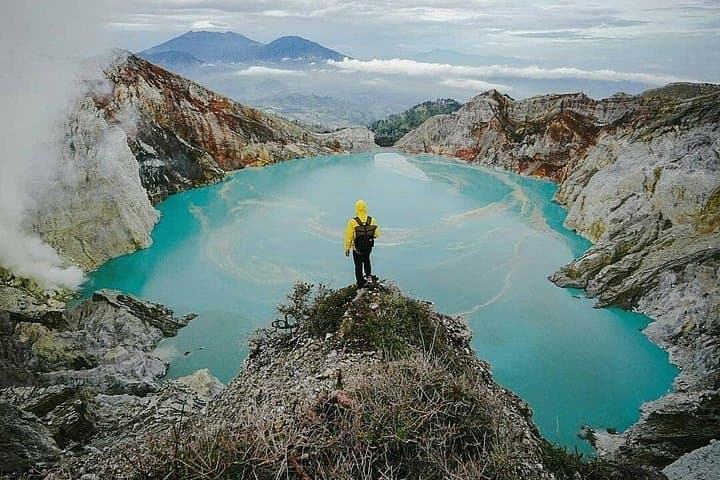
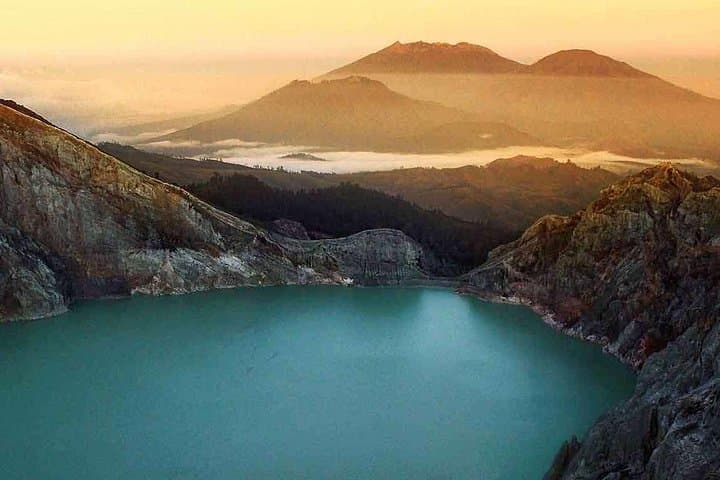
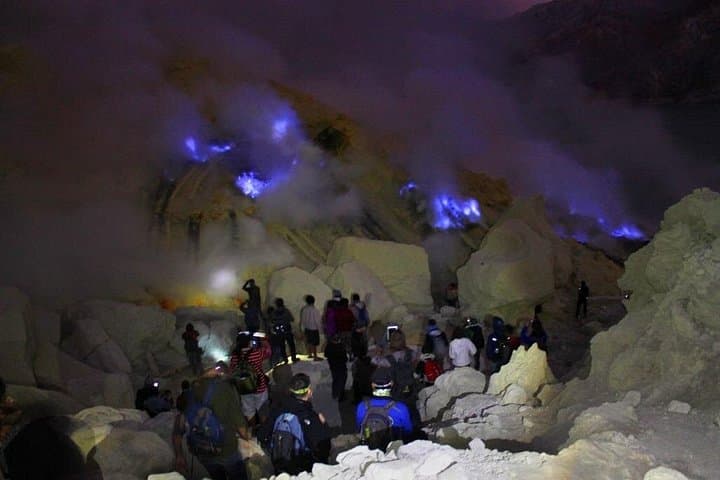
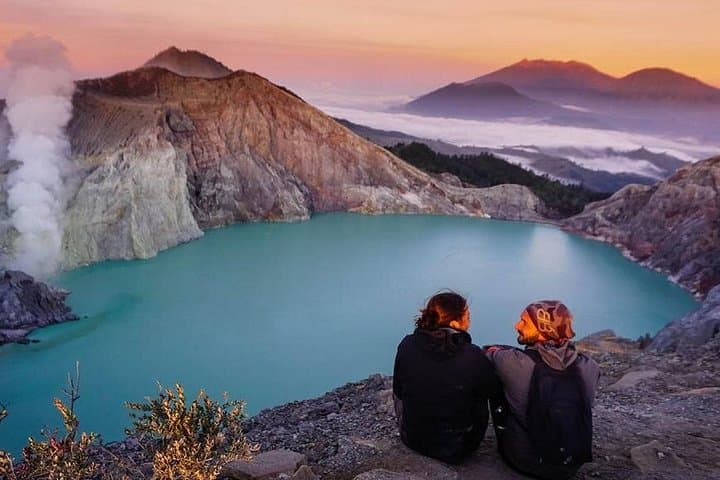
Night ferry engines and highway lights fade as you cross from Bali toward East Java; the trip feels like a slow handover from tropical coast to volcanic country. At Ijen, the sulfur-scented dawn forces you forward—headlamp cutting a narrow ribbon up a volcanic trail, blue flames daring you from the crater floor before the sun lifts the rim.
Verified experiences and guided adventures in the surrounding area.
Operated by Asmaradhana Borobudur Tours · Banyuwangi, East Java
Night ferry engines and highway lights fade as you cross from Bali toward East Java; the trip feels like a slow handover from tropical coast to volcanic country. At Ijen, the sulfur-scented dawn forces you forward—headlamp cutting a narrow ribbon up a volcanic trail, blue flames daring you from the crater floor before the sun lifts the rim.
These four days stitch active volcanism and classical Javanese culture. Kawah Ijen’s blue fire is a rare sulfur combustion best seen before sunrise; the crater rim sits around 2,443 m and the hike is a steep 90–120 minute ascent on loose volcanic scree. Mount Bromo’s sea of sand and crater rim present a different geology—a broad caldera with dramatic views of Mount Batok and smoking Semeru. The final day shifts to human history: Borobudur (9th century) and Prambanan (mid-9th century) reveal stone reliefs, ritual layout, and centuries of cultural exchange.
Expect early starts: a midnight transfer to Ijen, a 3:00 a.m. jeep to Bromo, and long drives between sites. Terrain ranges from paved road, ferry crossing, steep scree, sandy caldera floor, and temple steps. Local guides provide respirators and flashlights for Ijen; sturdy boots, warm layers for pre-dawn cold, and respect for temple dress codes are practical musts.
This itinerary suits travelers who want concentrated exposure to Java’s active volcanoes and UNESCO heritage in four intense days. Hydrate, plan for motion on winding roads, and budget time at Borobudur and Prambanan—these temples reward slow exploration.
The ascent typically takes 90–120 minutes on a steep, mostly unshaded trail with loose volcanic scree; pace yourself and use trekking poles if needed.
Yes—local guides supply gas respirators and flashlights, but many travelers bring their own N95 masks for comfort.
Yes—basic fitness is sufficient, but you should be able to walk uphill for up to two hours and tolerate early-morning starts and long drives.
Modest, comfortable clothing that covers shoulders and knees is recommended; lightweight fabrics and sun protection work well for daytime temple visits.
Asmaradhana Borobudur Tours operates guided outdoor trips and adventures with an emphasis on safety, stewardship, and memorable experiences.
Night ferry engines and highway lights fade as you cross from Bali toward East Java; the trip feels like a slow handover from tropical coast to volcanic country. At Ijen, the sulfur-scented dawn forces you forward—headlamp cutting a narrow ribbon up a volcanic trail, blue flames daring you from the crater floor before the sun lifts the rim.
Night ferry engines and highway lights fade as you cross from Bali toward East Java; the trip feels like a slow handover from tropical coast to volcanic country. At Ijen, the sulfur-scented dawn forces you forward—headlamp cutting a narrow ribbon up a volcanic trail, blue flames daring you from the crater floor before the sun lifts the rim.
These four days stitch active volcanism and classical Javanese culture. Kawah Ijen’s blue fire is a rare sulfur combustion best seen before sunrise; the crater rim sits around 2,443 m and the hike is a steep 90–120 minute ascent on loose volcanic scree. Mount Bromo’s sea of sand and crater rim present a different geology—a broad caldera with dramatic views of Mount Batok and smoking Semeru. The final day shifts to human history: Borobudur (9th century) and Prambanan (mid-9th century) reveal stone reliefs, ritual layout, and centuries of cultural exchange.
Expect early starts: a midnight transfer to Ijen, a 3:00 a.m. jeep to Bromo, and long drives between sites. Terrain ranges from paved road, ferry crossing, steep scree, sandy caldera floor, and temple steps. Local guides provide respirators and flashlights for Ijen; sturdy boots, warm layers for pre-dawn cold, and respect for temple dress codes are practical musts.
This itinerary suits travelers who want concentrated exposure to Java’s active volcanoes and UNESCO heritage in four intense days. Hydrate, plan for motion on winding roads, and budget time at Borobudur and Prambanan—these temples reward slow exploration.