THE ADVENTURE COLLECTIVE® · Independent discovery and booking for outdoor travel

Witness Ijen’s eerie blue fire, watch Bromo’s sunrise over the Sea of Sand, and descend to the base of Tumpak Sewu on this privately guided 4-day tour from Bali. Perfect for travelers with steady fitness looking for volcanic drama and waterfall canyons.
Witness Ijen’s eerie blue fire, watch Bromo’s sunrise over the Sea of Sand, and descend to the base of Tumpak Sewu on this privately guided 4-day tour from Bali. Perfect for travelers with steady fitness looking for volcanic drama and waterfall canyons.
You arrive before dawn, headlamp cutting a narrow cone through humid air as sulfur fumes curl from Ijen’s crater like a yellowing ribbon daring you forward. The blue fire—an electric ghost best seen in the deep night—flares and then yields to a turquoise lake rimmed in acid-bright rock as the sun pushes up behind a serrated caldera.
Verified experiences and guided adventures in the surrounding area.
Operated by IsunOsing Tour · Banyuwangi, East Java
You arrive before dawn, headlamp cutting a narrow cone through humid air as sulfur fumes curl from Ijen’s crater like a yellowing ribbon daring you forward. The blue fire—an electric ghost best seen in the deep night—flares and then yields to a turquoise lake rimmed in acid-bright rock as the sun pushes up behind a serrated caldera.
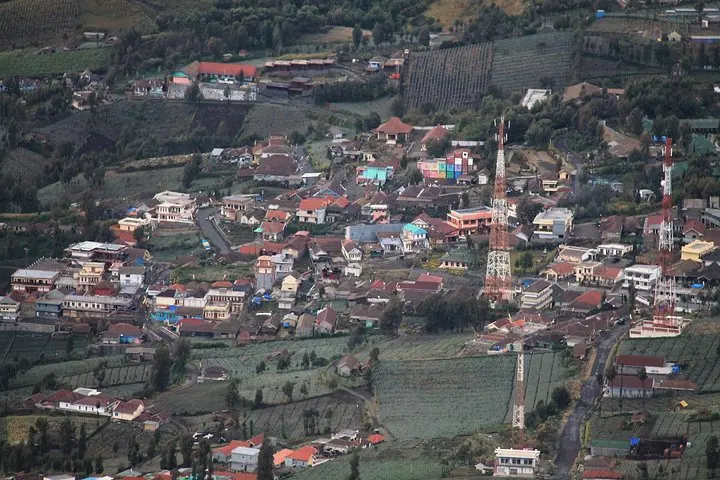
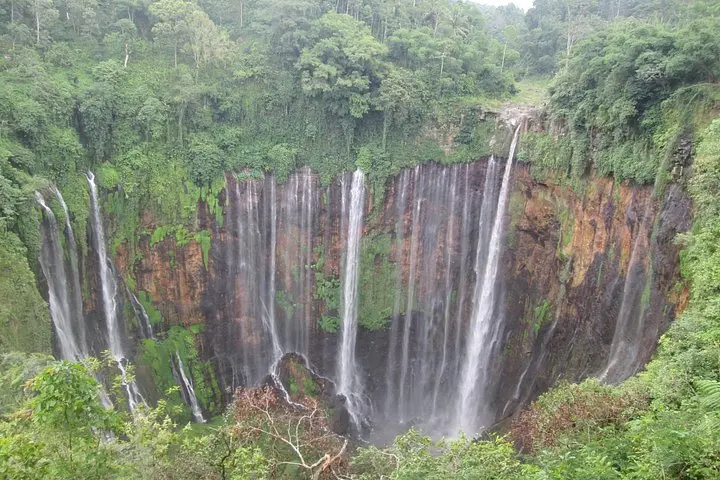
This four-day route threads Bali to East Java’s geological highlights: the sulfur-fumed Kawah Ijen, the ash plains and sea of sand around Mount Bromo, and the amphitheater cliffs that feed Tumpak Sewu waterfall. Geologically recent volcanism created dramatic calderas and acidic crater lakes; culturally, the Tenggerese and local Banyuwangi communities interpret these landscapes through offerings and mountain-guiding trades passed across generations.
Expect a mix of short steep hikes, night trekking, and flat vehicle transfers—packed with sudden overlooks, sand deserts, and narrow jungle gullies. Trails can be muddy or sandy, and mornings are cold at altitude; night and dawn hikes require steady footing and warm layers.
Practical tips: book a local guide for Ijen’s sulfur zone and carry a proper respirator (operators often provide basic masks). Pace your ascent to manage breathlessness around 2,400–2,700 m elevation; stay hydrated and protect electronics from acidic spray near the crater. Timing matters—visit in the dry season (April–October) for clearer skies and safer trails. Photographers will want a fast lens for low-light blue fire and a wide-angle for Bromo’s sunrise. This itinerary balances spectacle with stamina—bring quiet curiosity and respect for the fragile volcanic environment.
Blue fire is visible at night and in the very early morning; arrive at the crater rim before first light—typically between 2:00–4:00 AM depending on season.
Guides provide gas masks and will advise distance from active fumaroles; those with respiratory issues should consult a physician and consider avoiding the crater rim.
Expect several short but steep hikes at altitude, plus long vehicle transfers—suitable for travelers with moderate fitness and experience on uneven trails.
Yes—if your itinerary finishes in Malang and you plan to take a train (e.g., to Yogyakarta), reserve tickets at least three days ahead to secure seats.
IsunOsing Tour operates guided outdoor trips and adventures with an emphasis on safety, stewardship, and memorable experiences.
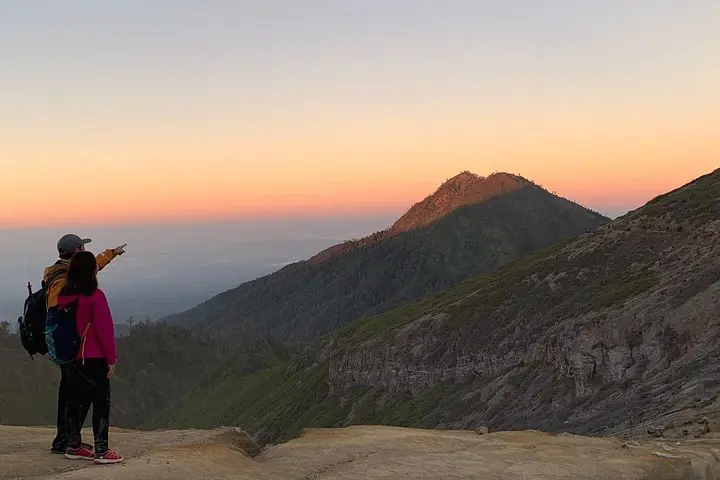
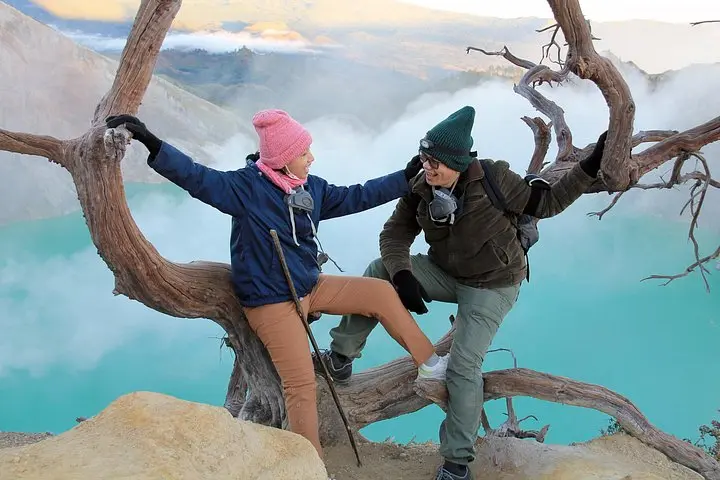
You arrive before dawn, headlamp cutting a narrow cone through humid air as sulfur fumes curl from Ijen’s crater like a yellowing ribbon daring you forward. The blue fire—an electric ghost best seen in the deep night—flares and then yields to a turquoise lake rimmed in acid-bright rock as the sun pushes up behind a serrated caldera.
You arrive before dawn, headlamp cutting a narrow cone through humid air as sulfur fumes curl from Ijen’s crater like a yellowing ribbon daring you forward. The blue fire—an electric ghost best seen in the deep night—flares and then yields to a turquoise lake rimmed in acid-bright rock as the sun pushes up behind a serrated caldera.
This four-day route threads Bali to East Java’s geological highlights: the sulfur-fumed Kawah Ijen, the ash plains and sea of sand around Mount Bromo, and the amphitheater cliffs that feed Tumpak Sewu waterfall. Geologically recent volcanism created dramatic calderas and acidic crater lakes; culturally, the Tenggerese and local Banyuwangi communities interpret these landscapes through offerings and mountain-guiding trades passed across generations.
Expect a mix of short steep hikes, night trekking, and flat vehicle transfers—packed with sudden overlooks, sand deserts, and narrow jungle gullies. Trails can be muddy or sandy, and mornings are cold at altitude; night and dawn hikes require steady footing and warm layers.
Practical tips: book a local guide for Ijen’s sulfur zone and carry a proper respirator (operators often provide basic masks). Pace your ascent to manage breathlessness around 2,400–2,700 m elevation; stay hydrated and protect electronics from acidic spray near the crater. Timing matters—visit in the dry season (April–October) for clearer skies and safer trails. Photographers will want a fast lens for low-light blue fire and a wide-angle for Bromo’s sunrise. This itinerary balances spectacle with stamina—bring quiet curiosity and respect for the fragile volcanic environment.