THE ADVENTURE COLLECTIVE® · Independent discovery and booking for outdoor travel

See Ijen’s rare blue fire, descend to the curtain waterfall of Tumpak Sewu, relax on Papuma’s coastal cliffs and finish with a Bromo sunrise over a sea of volcanic sand. This four-day loop pairs dramatic volcanic geology with hands-on cultural encounters.
See Ijen’s rare blue fire, descend to the curtain waterfall of Tumpak Sewu, relax on Papuma’s coastal cliffs and finish with a Bromo sunrise over a sea of volcanic sand. This four-day loop pairs dramatic volcanic geology with hands-on cultural encounters.
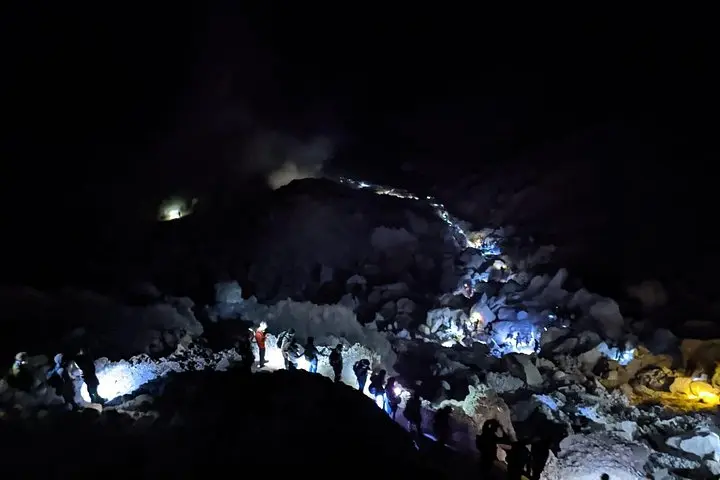
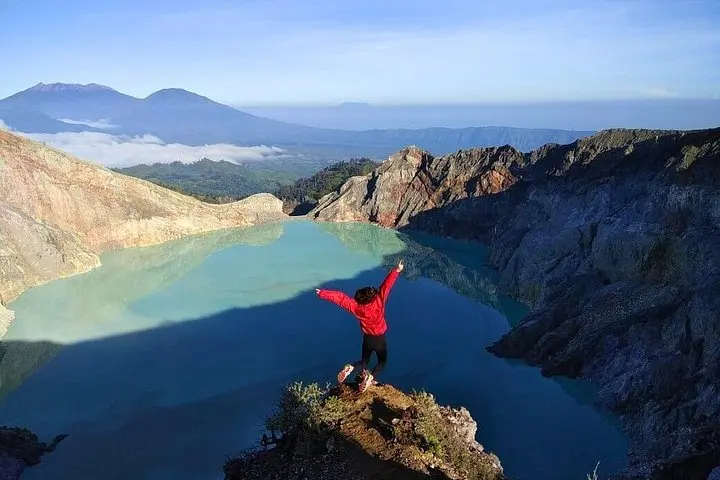
Before dawn the crater breaths a cold, chemical wind and the Ijen crater rim glows with something that looks almost alive: electric blue flames licking the sulfur fumaroles beneath a turquoise acid lake. Over four days you move through East Java’s volcanic language — from the sea-sprayed cliffs of Papuma to the curtain-like drop of Tumpak Sewu, ending on the wind-scoured plain around Mount Bromo where a 4WD crosses a black sea of sand to a rim that drinks the sunrise.
Verified experiences and guided adventures in the surrounding area.
Operated by Java Volcano Tour Operator · Surabaya, East Java
Before dawn the crater breaths a cold, chemical wind and the Ijen crater rim glows with something that looks almost alive: electric blue flames licking the sulfur fumaroles beneath a turquoise acid lake. Over four days you move through East Java’s volcanic language — from the sea-sprayed cliffs of Papuma to the curtain-like drop of Tumpak Sewu, ending on the wind-scoured plain around Mount Bromo where a 4WD crosses a black sea of sand to a rim that drinks the sunrise.
Geology here is raw and recent. Ijen sits on the eastern edge of Java’s volcanic chain; its 200m-deep crater contains an acidic lake fed by hydrothermal activity and sulfur deposits worked by local miners for generations. Mount Bromo is a younger cone within a vast caldera, while Tumpak Sewu’s curtain forms where rivers have sliced through volcanic rock. Cultural layers are equally visible: Javanese fishing hamlets near Papuma, coffee plantations in the highlands, and miners hauling heavy sulfur—practical reminders of livelihoods shaped by fire and water.
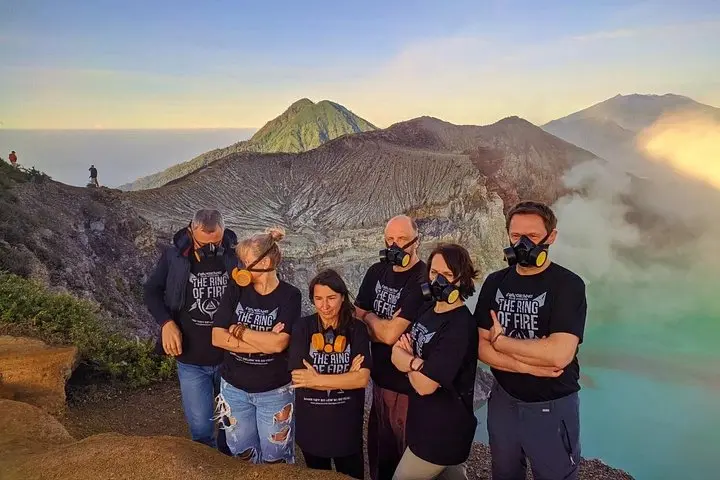
Practical planning is straightforward but firm: expect long drives between sites (2–5 hours), multiple predawn starts for blue-fire and sunrise viewing, and steep, uneven trails (Ijen is 1–1.5 hours up). Bring a headlamp, warm layers for chilly crater rims, waterproof shoes for wet sections at Tumpak Sewu, and a certified gas mask (often provided) for sulfur fumes. Travel with a local guide, pace your ascent, hydrate, and schedule flights after the final afternoon transfer. With binoculars, a patient eye and sturdy boots, this loop rewards with sights and stories few other itineraries pack in four days.
Blue fire is best seen in true darkness—usually between midnight and 4am—so most tours depart around 00:00–01:00 to reach the rim in time.
Miners work in hazardous conditions; visitors watch from the rim and should respect barriers and not approach miners or fumaroles closely due to toxic gases and unstable ground.
The viewpoint requires short driving on 4WDs across sand and a moderate climb to the rim; most visitors can reach it with minimal hiking but expect wind and cold at sunrise.
Heavy rain can make trails at Tumpak Sewu slippery and increase water flow; local guides may restrict close approaches in unsafe conditions—carry waterproofs and follow their advice.
Java Volcano Tour Operator operates guided outdoor trips and adventures with an emphasis on safety, stewardship, and memorable experiences.
Before dawn the crater breaths a cold, chemical wind and the Ijen crater rim glows with something that looks almost alive: electric blue flames licking the sulfur fumaroles beneath a turquoise acid lake. Over four days you move through East Java’s volcanic language — from the sea-sprayed cliffs of Papuma to the curtain-like drop of Tumpak Sewu, ending on the wind-scoured plain around Mount Bromo where a 4WD crosses a black sea of sand to a rim that drinks the sunrise.
Before dawn the crater breaths a cold, chemical wind and the Ijen crater rim glows with something that looks almost alive: electric blue flames licking the sulfur fumaroles beneath a turquoise acid lake. Over four days you move through East Java’s volcanic language — from the sea-sprayed cliffs of Papuma to the curtain-like drop of Tumpak Sewu, ending on the wind-scoured plain around Mount Bromo where a 4WD crosses a black sea of sand to a rim that drinks the sunrise.
Geology here is raw and recent. Ijen sits on the eastern edge of Java’s volcanic chain; its 200m-deep crater contains an acidic lake fed by hydrothermal activity and sulfur deposits worked by local miners for generations. Mount Bromo is a younger cone within a vast caldera, while Tumpak Sewu’s curtain forms where rivers have sliced through volcanic rock. Cultural layers are equally visible: Javanese fishing hamlets near Papuma, coffee plantations in the highlands, and miners hauling heavy sulfur—practical reminders of livelihoods shaped by fire and water.
Practical planning is straightforward but firm: expect long drives between sites (2–5 hours), multiple predawn starts for blue-fire and sunrise viewing, and steep, uneven trails (Ijen is 1–1.5 hours up). Bring a headlamp, warm layers for chilly crater rims, waterproof shoes for wet sections at Tumpak Sewu, and a certified gas mask (often provided) for sulfur fumes. Travel with a local guide, pace your ascent, hydrate, and schedule flights after the final afternoon transfer. With binoculars, a patient eye and sturdy boots, this loop rewards with sights and stories few other itineraries pack in four days.