THE ADVENTURE COLLECTIVE® · Independent discovery and booking for outdoor travel

Four days of downhill mountain biking, whitewater rafting, zipline bursts and jungle hiking lead to a sunrise visit at Machu Picchu. This active, mixed-sport route combines cloud-forest scenery with Inca trail heritage and village hospitality.
Four days of downhill mountain biking, whitewater rafting, zipline bursts and jungle hiking lead to a sunrise visit at Machu Picchu. This active, mixed-sport route combines cloud-forest scenery with Inca trail heritage and village hospitality.
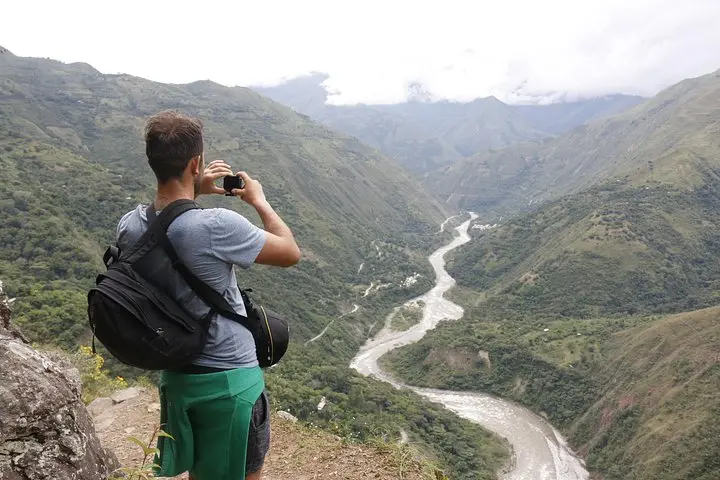
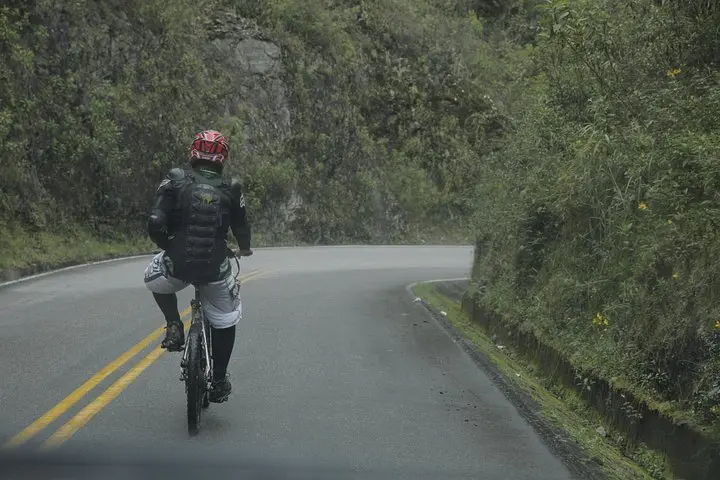
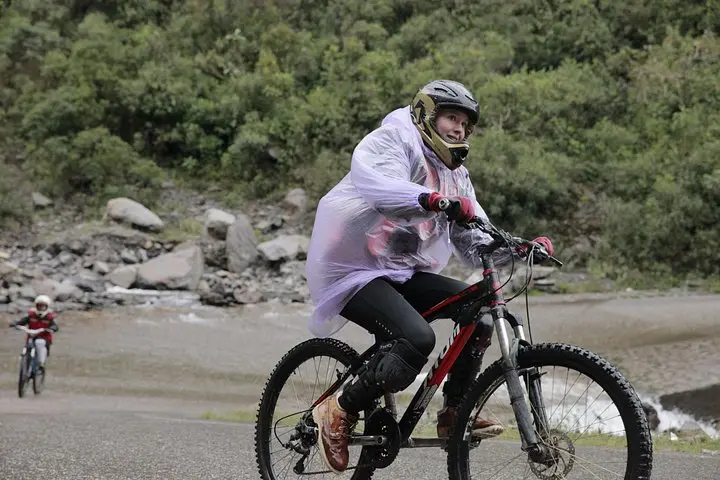
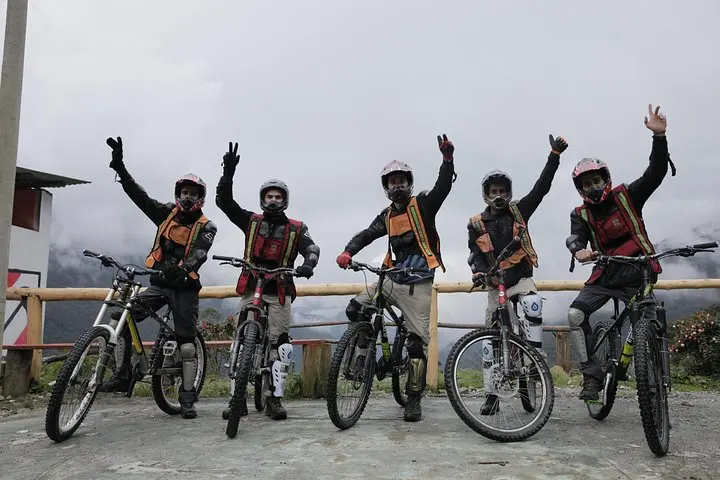
Dawn at Abra Málaga is thin and cold; guides secure helmets and you clip in for a 3-hour descent into the Andean cloud forest, wind opening views of narrow valleys as the trail trades puna for thick green. Biking drops you to Santa María, where the river dares you into a class II–III rafting section; later, the jungle tightens again for original Inca Trail steps, cable-cart crossings and thermal pools in Santa Teresa.
Verified experiences and guided adventures in the surrounding area.
Operated by PERU TRAVEL COMPANY · Aguas Calientes, Cusco
Dawn at Abra Málaga is thin and cold; guides secure helmets and you clip in for a 3-hour descent into the Andean cloud forest, wind opening views of narrow valleys as the trail trades puna for thick green. Biking drops you to Santa María, where the river dares you into a class II–III rafting section; later, the jungle tightens again for original Inca Trail steps, cable-cart crossings and thermal pools in Santa Teresa.
This route threads modern adventure with Inca history—walking parts of the ancient trail that links highland settlements to the Urubamba watershed. Geologically, you move from uplifted Andean plateaus into steep river-cut canyons and young volcanic soils that feed lush cloud-forest flora; locally grown fruit like maracuyá punctuates snack breaks.
Culturally the trek is practical and communal: nights in family houses and hostels, simple regional meals and bilingual guides who explain Inca agricultural terraces and local customs. Expect an early 4:00 a.m. start on the final day to climb the switchbacks to Machu Picchu for sunrise and a guided tour of the citadel before free time to explore or, if permitted, ascend Huayna Picchu.
Practical guidance: acclimatize in Cusco for 24–48 hours, carry waterproof layers, insect repellent and cash in soles for small purchases. Footwear should handle wet, uneven trails; bring a 30L daypack and basic first-aid. Permits and train bookings can be constrained—book the Machu Picchu entry and return train in advance. With moderate fitness and preparedness, this four-day mix of biking, rafting, zipline and hiking is a compact, direct way to meet Machu Picchu off the beaten track.
No advanced skills required—basic bike-handling and confidence on descents are recommended; guides provide briefing and safety gear.
The guided visit to Machu Picchu is included in the itinerary; confirm which ticket (citadel only or Huayna Picchu add-on) when booking and reserve early.
Yes—starting at Abra Málaga (4,316 m) and operating out of Cusco (3,400 m) can trigger symptoms; acclimatize in Cusco and stay hydrated.
Nights are in family-run houses, hostels and simple lodgings—expect basic beds and communal facilities rather than full-service hotels.
PERU TRAVEL COMPANY operates guided outdoor trips and adventures with an emphasis on safety, stewardship, and memorable experiences.
Dawn at Abra Málaga is thin and cold; guides secure helmets and you clip in for a 3-hour descent into the Andean cloud forest, wind opening views of narrow valleys as the trail trades puna for thick green. Biking drops you to Santa María, where the river dares you into a class II–III rafting section; later, the jungle tightens again for original Inca Trail steps, cable-cart crossings and thermal pools in Santa Teresa.
Dawn at Abra Málaga is thin and cold; guides secure helmets and you clip in for a 3-hour descent into the Andean cloud forest, wind opening views of narrow valleys as the trail trades puna for thick green. Biking drops you to Santa María, where the river dares you into a class II–III rafting section; later, the jungle tightens again for original Inca Trail steps, cable-cart crossings and thermal pools in Santa Teresa.
This route threads modern adventure with Inca history—walking parts of the ancient trail that links highland settlements to the Urubamba watershed. Geologically, you move from uplifted Andean plateaus into steep river-cut canyons and young volcanic soils that feed lush cloud-forest flora; locally grown fruit like maracuyá punctuates snack breaks.
Culturally the trek is practical and communal: nights in family houses and hostels, simple regional meals and bilingual guides who explain Inca agricultural terraces and local customs. Expect an early 4:00 a.m. start on the final day to climb the switchbacks to Machu Picchu for sunrise and a guided tour of the citadel before free time to explore or, if permitted, ascend Huayna Picchu.
Practical guidance: acclimatize in Cusco for 24–48 hours, carry waterproof layers, insect repellent and cash in soles for small purchases. Footwear should handle wet, uneven trails; bring a 30L daypack and basic first-aid. Permits and train bookings can be constrained—book the Machu Picchu entry and return train in advance. With moderate fitness and preparedness, this four-day mix of biking, rafting, zipline and hiking is a compact, direct way to meet Machu Picchu off the beaten track.