THE ADVENTURE COLLECTIVE® · Independent discovery and booking for outdoor travel

Ride down from Abra Málaga, raft wildwater, hike through high forest and reach Machu Picchu in four varied days. This Inca Jungle route pairs adrenaline sports with Inca paths and hot springs for a hands-on, adventurous approach to the Lost City.
Ride down from Abra Málaga, raft wildwater, hike through high forest and reach Machu Picchu in four varied days. This Inca Jungle route pairs adrenaline sports with Inca paths and hot springs for a hands-on, adventurous approach to the Lost City.
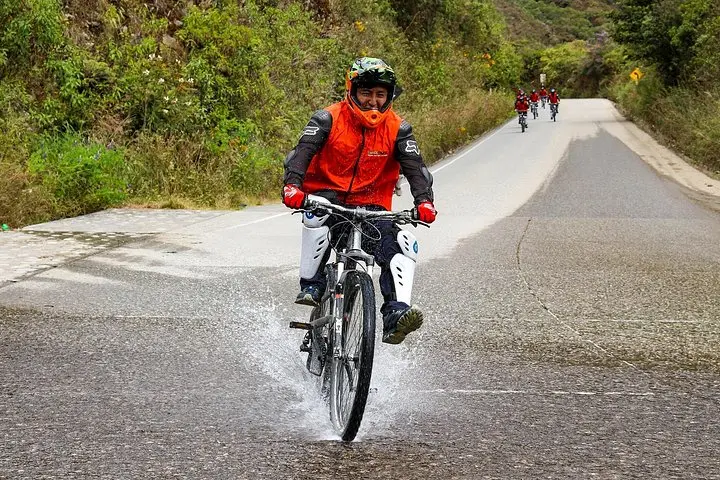
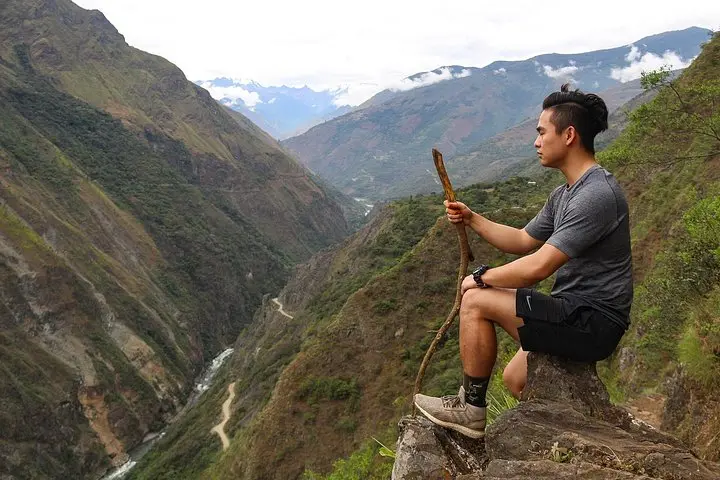
Dawn at Abra Málaga is thin air and sharp light; riders clip in, gravity pulls, and the Andes begin to spill away beneath you as eucalyptus-scented wind pushes through the trees. Over four days you trade high ridge views for river roar, timbered jungle and the gritty stones of Inca paths before arriving in Aguas Calientes and the stepped shoulders of Machu Picchu.
Verified experiences and guided adventures in the surrounding area.
Operated by Conde Travel · Cusco, Cusco Region
Dawn at Abra Málaga is thin air and sharp light; riders clip in, gravity pulls, and the Andes begin to spill away beneath you as eucalyptus-scented wind pushes through the trees. Over four days you trade high ridge views for river roar, timbered jungle and the gritty stones of Inca paths before arriving in Aguas Calientes and the stepped shoulders of Machu Picchu.
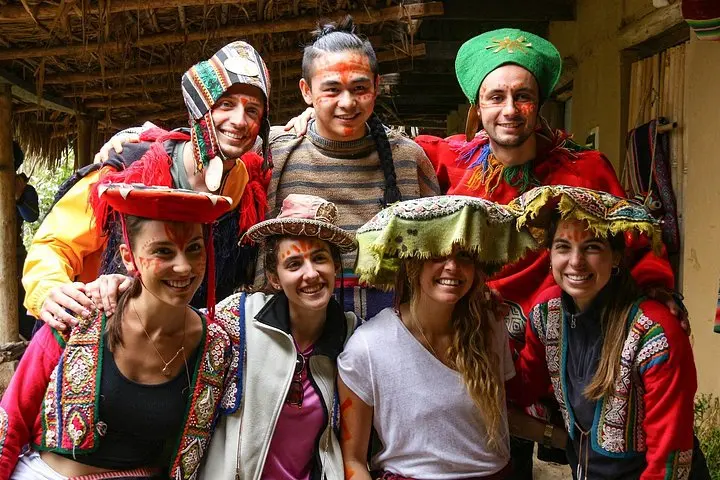
This route threads modern adventure — downhill mountain biking from ~4,350 m, Class II–III rafting on the Urubamba tributaries, and an optional zipline — with living pieces of Inca infrastructure: the stone causeways and the Inca “carcel” (jail) above Pasto Grande remind you the trail was once a connective artery of empire. Geologically, you’ll move from Paleogene uplift and granitic backbone at high passes into cloud-forest soils that feed steep waterfalls and orchids; culturally this corridor has long been cultivated for coffee and coca, and small communities still host trekkers.
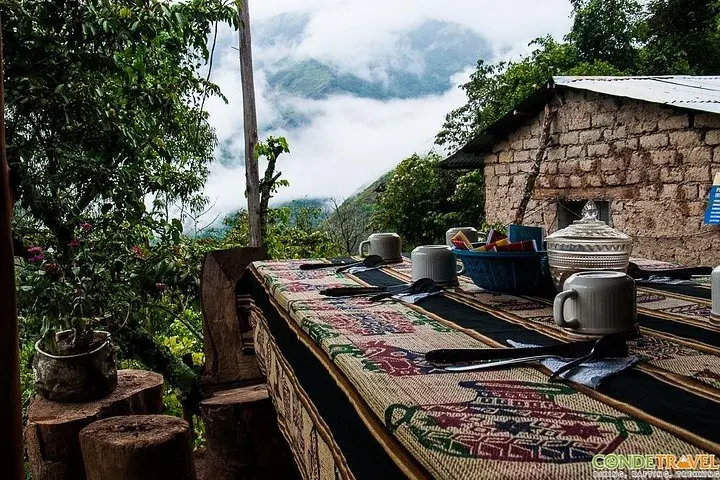
Expect varied terrain: gravel descents, muddy forest tracks, river-side walking and 3–5 hour day hikes with short steep sections. Practical notes: acclimatize in Cusco for 48 hours if possible, carry a daypack with rain protection and water, and budget small Peruvian soles for snacks and beers at Cocalmayo hot springs. Wear sturdy, broken-in hiking shoes and be prepared for sudden weather shifts; guides handle permits and logistics, but bring a small cash reserve for optional activities or tips. The reward is access to Machu Picchu with the extra charge option to stay an extra night if you want to climb Huayna Picchu.
Yes — the itinerary includes Machu Picchu entry and a guided 2-hour visit; optional extra-night and Huayna or Machu Picchu Mountain tickets cost extra and require advance booking.
No professional skill is required, but you should be comfortable on a mountain bike; operators typically provide helmets, gloves and instruction for the descent from Abra Málaga.
Altitude effects are common; rest in Cusco before the trip, stay hydrated, avoid alcohol the night before intense activity, and carry aspirin or acetazolamide if prescribed by a doctor.
Accommodation includes shared hostels with hot water and toilets in Santa Teresa and Aguas Calientes; trail stops are rustic and may have limited facilities.
Conde Travel operates guided outdoor trips and adventures with an emphasis on safety, stewardship, and memorable experiences.
Dawn at Abra Málaga is thin air and sharp light; riders clip in, gravity pulls, and the Andes begin to spill away beneath you as eucalyptus-scented wind pushes through the trees. Over four days you trade high ridge views for river roar, timbered jungle and the gritty stones of Inca paths before arriving in Aguas Calientes and the stepped shoulders of Machu Picchu.
Dawn at Abra Málaga is thin air and sharp light; riders clip in, gravity pulls, and the Andes begin to spill away beneath you as eucalyptus-scented wind pushes through the trees. Over four days you trade high ridge views for river roar, timbered jungle and the gritty stones of Inca paths before arriving in Aguas Calientes and the stepped shoulders of Machu Picchu.
This route threads modern adventure — downhill mountain biking from ~4,350 m, Class II–III rafting on the Urubamba tributaries, and an optional zipline — with living pieces of Inca infrastructure: the stone causeways and the Inca “carcel” (jail) above Pasto Grande remind you the trail was once a connective artery of empire. Geologically, you’ll move from Paleogene uplift and granitic backbone at high passes into cloud-forest soils that feed steep waterfalls and orchids; culturally this corridor has long been cultivated for coffee and coca, and small communities still host trekkers.
Expect varied terrain: gravel descents, muddy forest tracks, river-side walking and 3–5 hour day hikes with short steep sections. Practical notes: acclimatize in Cusco for 48 hours if possible, carry a daypack with rain protection and water, and budget small Peruvian soles for snacks and beers at Cocalmayo hot springs. Wear sturdy, broken-in hiking shoes and be prepared for sudden weather shifts; guides handle permits and logistics, but bring a small cash reserve for optional activities or tips. The reward is access to Machu Picchu with the extra charge option to stay an extra night if you want to climb Huayna Picchu.