THE ADVENTURE COLLECTIVE® · Independent discovery and booking for outdoor travel

Trek the classic 42 km Inca Trail over four days from Cusco to Machu Picchu, summiting the 4,200 m Dead Woman’s Pass and passing well-preserved Inca sites. This guided, small-group route blends high Andean passes, cloud-forest descents, and an unforgettable sunrise at the Sun Gate.
Trek the classic 42 km Inca Trail over four days from Cusco to Machu Picchu, summiting the 4,200 m Dead Woman’s Pass and passing well-preserved Inca sites. This guided, small-group route blends high Andean passes, cloud-forest descents, and an unforgettable sunrise at the Sun Gate.
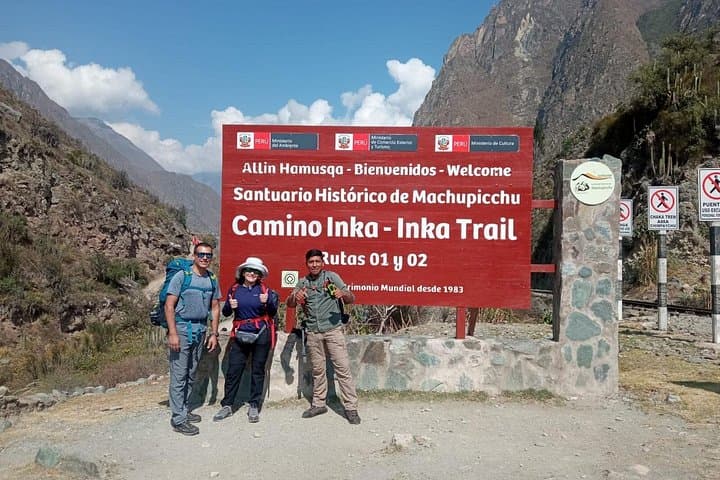
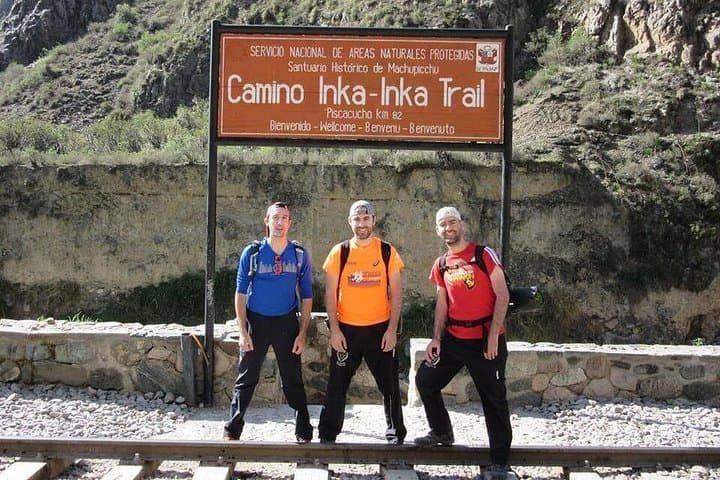
Dawn breaks over Cusco and a thin, sharp air greets the group as minibuses thread down to Km 82. You shoulder a daypack, porters shoulder the duffel, and the trail pulls you into cloud forest where moss and stone share stories.
Verified experiences and guided adventures in the surrounding area.
Operated by Tierra Biru Expeditions · Cusco, Cusco Region
Dawn breaks over Cusco and a thin, sharp air greets the group as minibuses thread down to Km 82. You shoulder a daypack, porters shoulder the duffel, and the trail pulls you into cloud forest where moss and stone share stories.
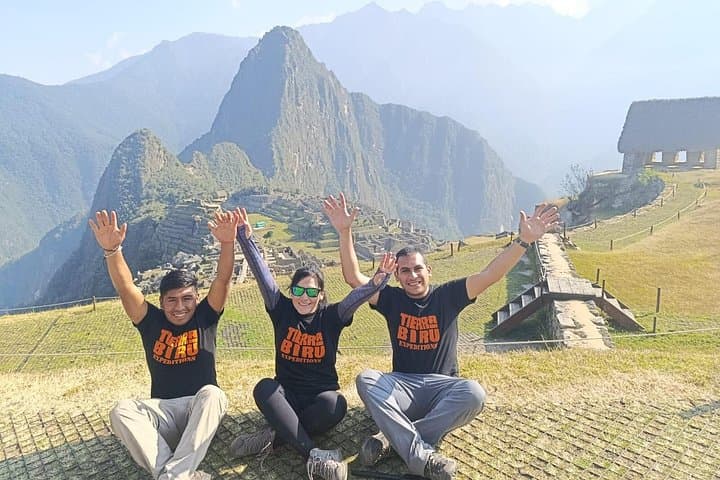
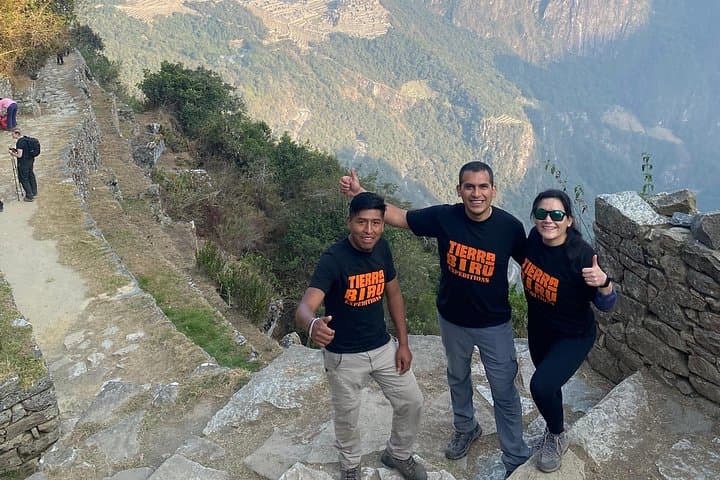
The Inca Trail is both road and ritual: engineered stone stairways, drainage channels and terraces carved into volcanic andesite link high puna to tropical valleys. The route follows folds of the Urubamba (Willkamayu) watershed beneath the Vilcabamba range, rising to Warmihuañusca—known as Dead Woman’s Pass—at about 4,200 m. Along the way you'll cross archaeological stations like Llactapata, Sayacmarca and the dramatic ridge-city of Wiñaywayna before the sunrise reveal at Intipunku (Sun Gate) grants the first view of Machu Picchu.
Culturally the path was a controlled artery of the Inca state, regulated with tambos (rest stations) and ritual plazas; modern treks respect those footprints with strict permit limits and designated campsites.
Practical edge: the full route covers roughly 42 km over four days with sustained climbs and descents—expect 4–8 hours walking on trekking days. Acclimatize in Cusco for 48–72 hours, pack for sun, rain and cold nights, and limit your duffel to the 5 kg porter allowance. Trains (Vistadome) return from Aguas Calientes to Cusco; book permits and train seats months ahead in high season (May–September). Hydrate, walk steady on stone stairways, and allow extra time at archaeological viewpoints—the trail rewards careful pacing more than speed.
Yes—this itinerary includes the official Inca Trail and Machu Picchu entry permits; permits are limited and must match your passport exactly.
The pass (Warmihuañusca) is the highest point at ~4,200 m; it’s a sustained climb requiring steady pacing but not technical climbing skills.
Porters carry one duffel up to 5 kg per person (personal items); you should carry a daypack with water, camera, layers and documents.
Yes—three breakfasts, lunches and dinners are included, along with three nights in camping tents and basic camp facilities as specified in the itinerary.
Tierra Biru Expeditions operates guided outdoor trips and adventures with an emphasis on safety, stewardship, and memorable experiences.
Dawn breaks over Cusco and a thin, sharp air greets the group as minibuses thread down to Km 82. You shoulder a daypack, porters shoulder the duffel, and the trail pulls you into cloud forest where moss and stone share stories.
Dawn breaks over Cusco and a thin, sharp air greets the group as minibuses thread down to Km 82. You shoulder a daypack, porters shoulder the duffel, and the trail pulls you into cloud forest where moss and stone share stories.
The Inca Trail is both road and ritual: engineered stone stairways, drainage channels and terraces carved into volcanic andesite link high puna to tropical valleys. The route follows folds of the Urubamba (Willkamayu) watershed beneath the Vilcabamba range, rising to Warmihuañusca—known as Dead Woman’s Pass—at about 4,200 m. Along the way you'll cross archaeological stations like Llactapata, Sayacmarca and the dramatic ridge-city of Wiñaywayna before the sunrise reveal at Intipunku (Sun Gate) grants the first view of Machu Picchu.
Culturally the path was a controlled artery of the Inca state, regulated with tambos (rest stations) and ritual plazas; modern treks respect those footprints with strict permit limits and designated campsites.
Practical edge: the full route covers roughly 42 km over four days with sustained climbs and descents—expect 4–8 hours walking on trekking days. Acclimatize in Cusco for 48–72 hours, pack for sun, rain and cold nights, and limit your duffel to the 5 kg porter allowance. Trains (Vistadome) return from Aguas Calientes to Cusco; book permits and train seats months ahead in high season (May–September). Hydrate, walk steady on stone stairways, and allow extra time at archaeological viewpoints—the trail rewards careful pacing more than speed.