THE ADVENTURE COLLECTIVE® · Independent discovery and booking for outdoor travel

Walk the classic four-day Inca Trail from Km 82 to Machu Picchu, passing cloud forest, high Andean passes and Inka ruins. This practical guide outlines what to expect—altitude, terrain, permits and packing essentials—so you can focus on the trail.
Walk the classic four-day Inca Trail from Km 82 to Machu Picchu, passing cloud forest, high Andean passes and Inka ruins. This practical guide outlines what to expect—altitude, terrain, permits and packing essentials—so you can focus on the trail.
Pre-dawn light slices the Andes as a convoy drops you at Km 82. The trail opens into stone steps hewn by Inka hands, mist rolling off cloud-forest collars, and a steady rhythm of breath and boot on ancient pavement. Over four days you move through microclimates—sunny agricultural terraces, moss-draped cloud forest, then the wind-gnawed pass at Warmiwañusca—before sunrise at Inti Punku, the Sun Gate, where Machu Picchu unfolds below.
Verified experiences and guided adventures in the surrounding area.
Operated by MachuPicchu Journey · Aguas Calientes, Cusco
Pre-dawn light slices the Andes as a convoy drops you at Km 82. The trail opens into stone steps hewn by Inka hands, mist rolling off cloud-forest collars, and a steady rhythm of breath and boot on ancient pavement. Over four days you move through microclimates—sunny agricultural terraces, moss-draped cloud forest, then the wind-gnawed pass at Warmiwañusca—before sunrise at Inti Punku, the Sun Gate, where Machu Picchu unfolds below.
The route is part trail, part living history: engineered causeways, stairways and agricultural niches that reflect 15th-century Inka route planning. Geologically the trail cuts across the eastern flank of the Vilcanota range, moving from granitic high ridges into humid montane forest; expect slick stone, steep descents, and sudden drops in temperature with elevation. Local Quechua communities still tend terraces and work as porters and cooks—culture and hospitality are woven into the trek.
Practical guidance: acclimatize in Cusco for 48–72 hours to reduce altitude effects (Cusco sits near 3,400 m). The highest point on day two reaches roughly 4,200 m (about 13,779 ft); the final descent brings you to Machu Picchu at ~2,430 m (7,970 ft). Permits are limited—book well in advance and confirm that Inca Trail and Machu Picchu tickets are included.
Plan layered clothing, a waterproof shell, sturdy trekking boots, and 3–4 liters of water capacity. Porters typically carry tents and food if arranged through your operator; still carry a daypack with essentials. Expect 5–8 hours of walking on trekking days, rocky steps, and variable weather—rewarded by sunrise over the citadel and the tactile presence of Inka stone beneath your hands.
Yes—official Inca Trail permits are required and limited; your operator should secure them at booking along with the Machu Picchu entrance ticket.
The Warmiwañusca pass reaches about 4,200 m (13,779 ft) and involves a strenuous 2–4 hour climb with thin air; pace yourself and hydrate.
Most operators include tents, foam mattresses, meals and porters in the package—confirm specifics before you depart.
Altitude sickness can affect any hiker; acclimatize in Cusco, ascend slowly, stay hydrated, and avoid alcohol—carry acetazolamide if prescribed.
MachuPicchu Journey operates guided outdoor trips and adventures with an emphasis on safety, stewardship, and memorable experiences.
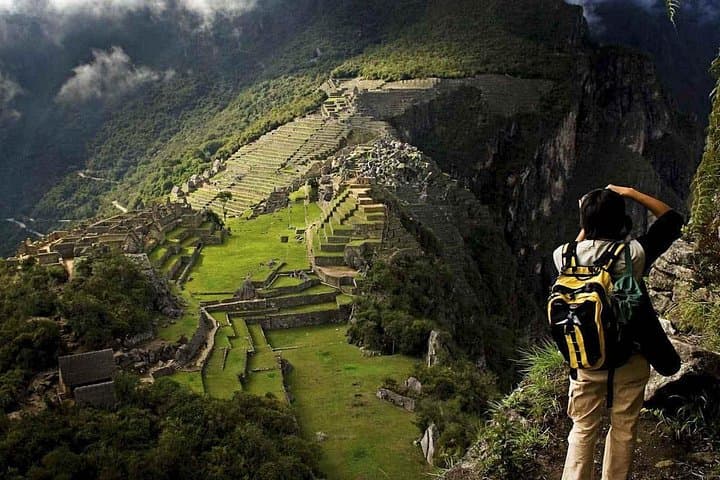

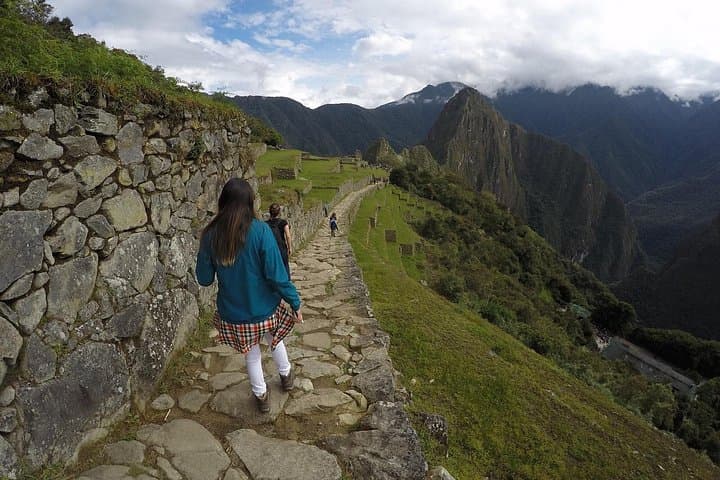
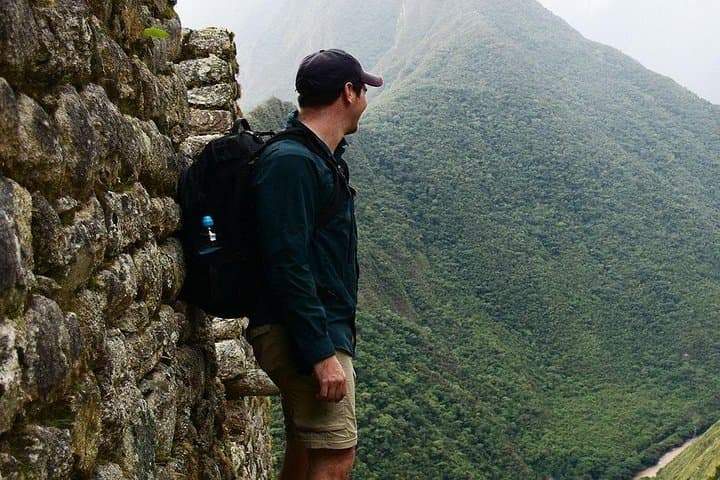
Pre-dawn light slices the Andes as a convoy drops you at Km 82. The trail opens into stone steps hewn by Inka hands, mist rolling off cloud-forest collars, and a steady rhythm of breath and boot on ancient pavement. Over four days you move through microclimates—sunny agricultural terraces, moss-draped cloud forest, then the wind-gnawed pass at Warmiwañusca—before sunrise at Inti Punku, the Sun Gate, where Machu Picchu unfolds below.
Pre-dawn light slices the Andes as a convoy drops you at Km 82. The trail opens into stone steps hewn by Inka hands, mist rolling off cloud-forest collars, and a steady rhythm of breath and boot on ancient pavement. Over four days you move through microclimates—sunny agricultural terraces, moss-draped cloud forest, then the wind-gnawed pass at Warmiwañusca—before sunrise at Inti Punku, the Sun Gate, where Machu Picchu unfolds below.
The route is part trail, part living history: engineered causeways, stairways and agricultural niches that reflect 15th-century Inka route planning. Geologically the trail cuts across the eastern flank of the Vilcanota range, moving from granitic high ridges into humid montane forest; expect slick stone, steep descents, and sudden drops in temperature with elevation. Local Quechua communities still tend terraces and work as porters and cooks—culture and hospitality are woven into the trek.
Practical guidance: acclimatize in Cusco for 48–72 hours to reduce altitude effects (Cusco sits near 3,400 m). The highest point on day two reaches roughly 4,200 m (about 13,779 ft); the final descent brings you to Machu Picchu at ~2,430 m (7,970 ft). Permits are limited—book well in advance and confirm that Inca Trail and Machu Picchu tickets are included.
Plan layered clothing, a waterproof shell, sturdy trekking boots, and 3–4 liters of water capacity. Porters typically carry tents and food if arranged through your operator; still carry a daypack with essentials. Expect 5–8 hours of walking on trekking days, rocky steps, and variable weather—rewarded by sunrise over the citadel and the tactile presence of Inka stone beneath your hands.