THE ADVENTURE COLLECTIVE® · Independent discovery and booking for outdoor travel

A classic four-day trek from Km 82 to Machu Picchu that blends high Andean passes, cloud-forest, and multiple Inca sites. Expect long days at altitude, preserved stonework, and a memorable sunrise arrival at Intipunku.
A classic four-day trek from Km 82 to Machu Picchu that blends high Andean passes, cloud-forest, and multiple Inca sites. Expect long days at altitude, preserved stonework, and a memorable sunrise arrival at Intipunku.
You step off the bus at Km 82 as cool mist slides through high grasses and the stone path narrows under mossed walls — the Andes opening like a map of human ambition. The trail pulls you upward through cloud forest, past carved steps and Inca terraces where fog drifts through eucalyptus and orchids cling to wet rock.
Verified experiences and guided adventures in the surrounding area.
Operated by CrossoverPeru Tours · Cusco, Cusco
You step off the bus at Km 82 as cool mist slides through high grasses and the stone path narrows under mossed walls — the Andes opening like a map of human ambition. The trail pulls you upward through cloud forest, past carved steps and Inca terraces where fog drifts through eucalyptus and orchids cling to wet rock.
Built as a royal roadway, the Inca Trail threads varied geology: sandstone ridges give way to volcanic outcrops and the steep pass of Warmiwañusca (4,200 m) offers a stark, wind-sculpted skyline. Along the route are small archaeological sites — Llactapata, Sayacmarca, Phuyupatamarca and Wiñaywayna — each a shard of Inca planning, water channels and stone masonry that served both ritual and practical needs.
Local Quechua communities still shape the valley’s culture; llamas graze terraces first tended centuries ago and porters and cooks keep the trail alive with rhythms of daily camp life. Birdsong and the occasional distant condor mark the transition from cloud-forest to puna.
Practical guide: this is a four-day, 43 km trek with long ascents and descents at altitude—expect 6–8 hours hiking on tougher days and a maximum elevation around 4,200 m. Travel light, prioritize layered insulation and a reliable rain shell—weather can flip from sun to heavy rain within hours. Acclimatize in Cusco for 48–72 hours, drink often, and move at an easy, steady pace on the higher stretches. Permits are required and limited; book well in advance.
On arrival at Intipunku the panorama of Machu Picchu unfolds, a hard-earned payoff that frames geological drama with human history.
Yes — permits are mandatory, limited, and sold in blocks; they are typically secured by licensed operators and should be booked months in advance.
The biggest challenge is altitude and sustained uphill sections, especially the Warmiwañusca pass; proper acclimatization and pacing are essential.
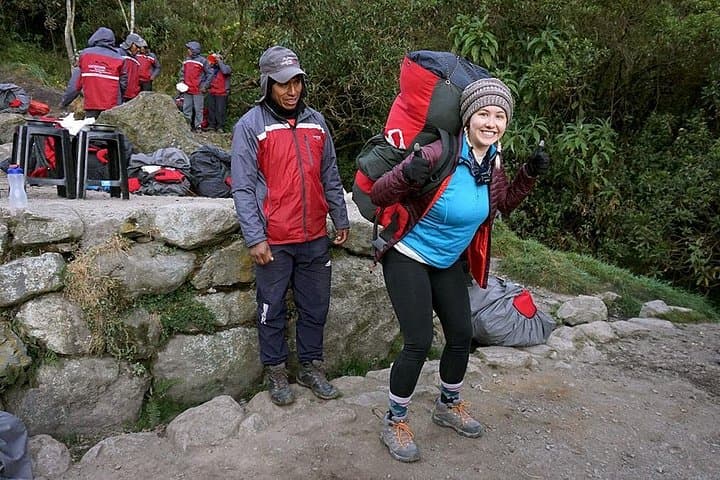
Porters are usually provided by tour operators to carry communal gear; regulations limit individual loads but many trekkers carry daypacks only.
You enter via Intipunku (Sun Gate) for panoramic views, followed by a guided tour of the citadel and then transfer by bus and train back toward Cusco or Ollantaytambo.
CrossoverPeru Tours operates guided outdoor trips and adventures with an emphasis on safety, stewardship, and memorable experiences.
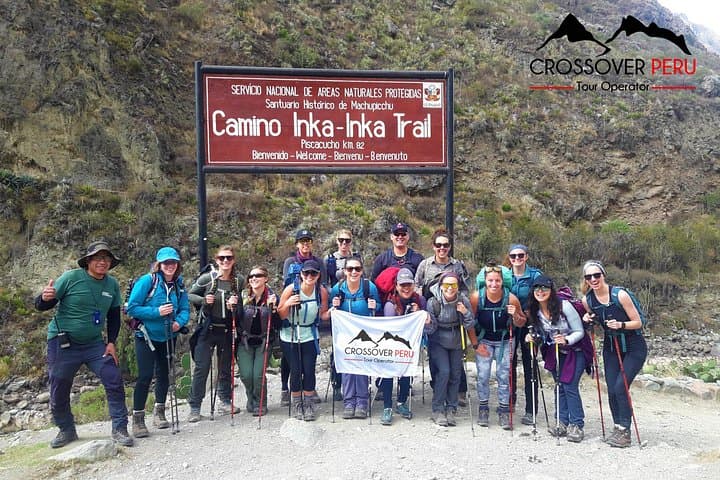
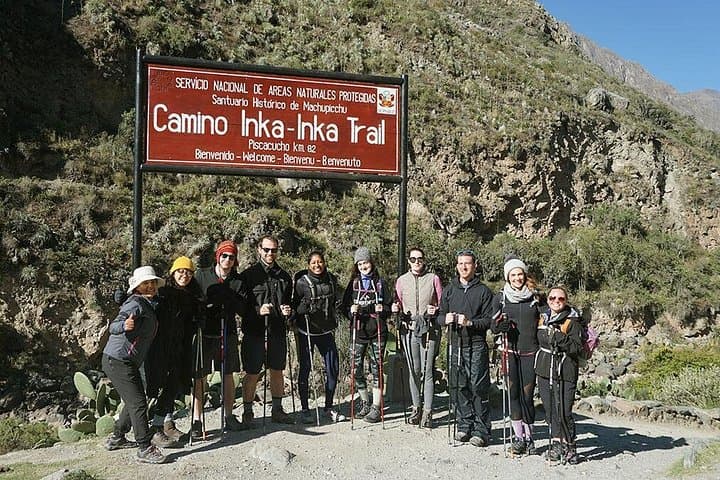
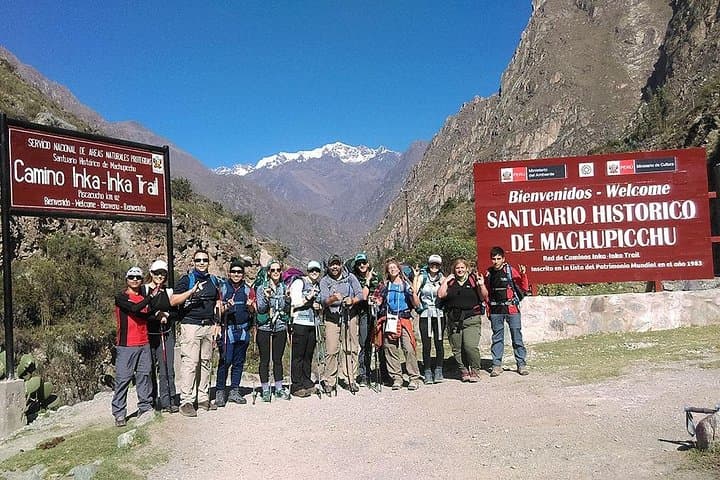
You step off the bus at Km 82 as cool mist slides through high grasses and the stone path narrows under mossed walls — the Andes opening like a map of human ambition. The trail pulls you upward through cloud forest, past carved steps and Inca terraces where fog drifts through eucalyptus and orchids cling to wet rock.
You step off the bus at Km 82 as cool mist slides through high grasses and the stone path narrows under mossed walls — the Andes opening like a map of human ambition. The trail pulls you upward through cloud forest, past carved steps and Inca terraces where fog drifts through eucalyptus and orchids cling to wet rock.
Built as a royal roadway, the Inca Trail threads varied geology: sandstone ridges give way to volcanic outcrops and the steep pass of Warmiwañusca (4,200 m) offers a stark, wind-sculpted skyline. Along the route are small archaeological sites — Llactapata, Sayacmarca, Phuyupatamarca and Wiñaywayna — each a shard of Inca planning, water channels and stone masonry that served both ritual and practical needs.
Local Quechua communities still shape the valley’s culture; llamas graze terraces first tended centuries ago and porters and cooks keep the trail alive with rhythms of daily camp life. Birdsong and the occasional distant condor mark the transition from cloud-forest to puna.
Practical guide: this is a four-day, 43 km trek with long ascents and descents at altitude—expect 6–8 hours hiking on tougher days and a maximum elevation around 4,200 m. Travel light, prioritize layered insulation and a reliable rain shell—weather can flip from sun to heavy rain within hours. Acclimatize in Cusco for 48–72 hours, drink often, and move at an easy, steady pace on the higher stretches. Permits are required and limited; book well in advance.
On arrival at Intipunku the panorama of Machu Picchu unfolds, a hard-earned payoff that frames geological drama with human history.