THE ADVENTURE COLLECTIVE® · Independent discovery and booking for outdoor travel

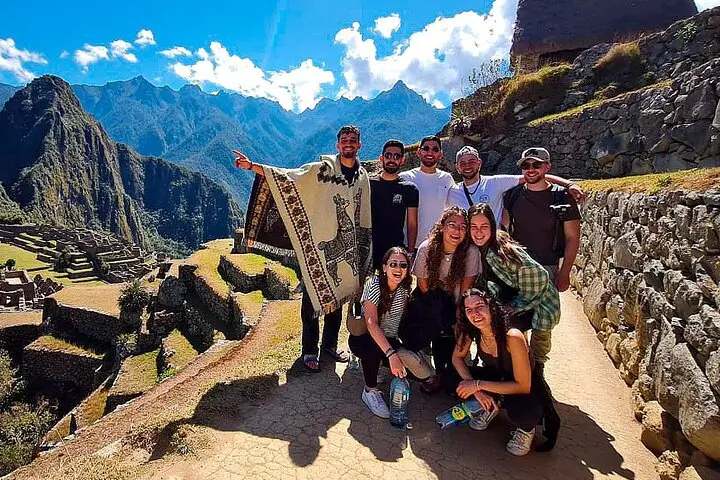
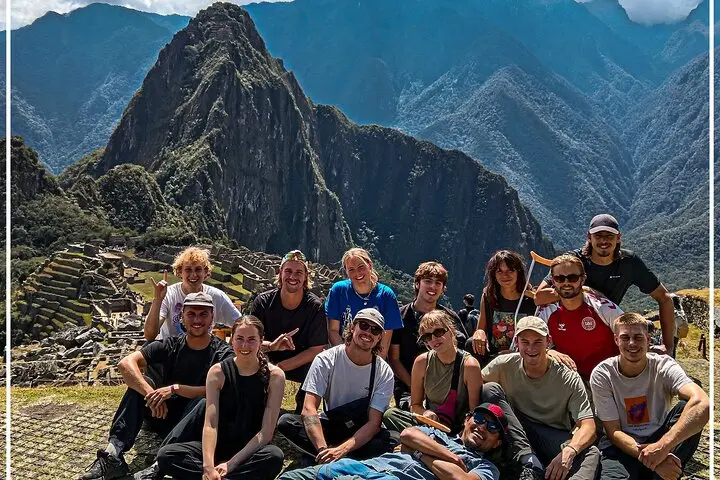
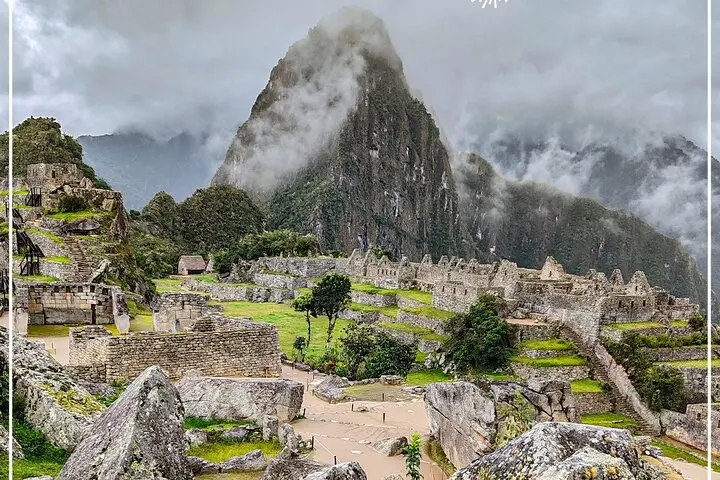
Walk the classic four-day Inca Trail from Km 82 to Machu Picchu, passing high passes, cloud forest, and Inca ruins en route to the Sun Gate. This guided trek includes permits, camping, crew support and an optional Huayna Picchu climb.
Walk the classic four-day Inca Trail from Km 82 to Machu Picchu, passing high passes, cloud forest, and Inca ruins en route to the Sun Gate. This guided trek includes permits, camping, crew support and an optional Huayna Picchu climb.
Dawn in the Sacred Valley is thin and cold; the first van climbs away from Cusco before most shops open, and the Urubamba River hurries beside the road as if trying to outrun the Andes.
Verified experiences and guided adventures in the surrounding area.
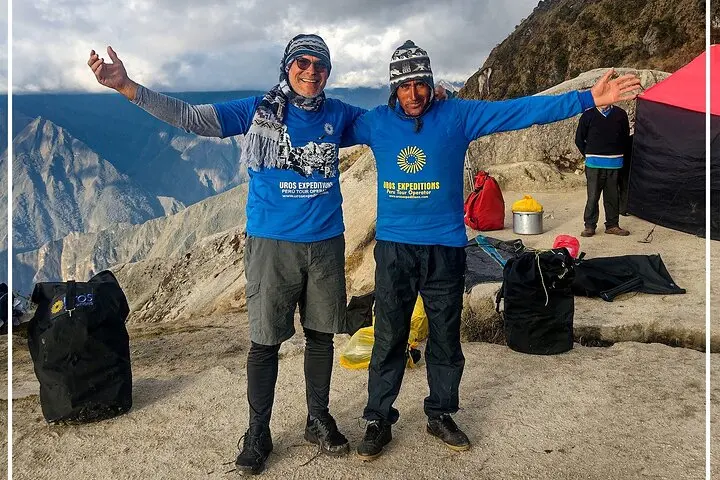
Operated by Uros Expeditions Travel Peru · Aguas Calientes (Machupicchu Pueblo), Cusco Region
Dawn in the Sacred Valley is thin and cold; the first van climbs away from Cusco before most shops open, and the Urubamba River hurries beside the road as if trying to outrun the Andes.
Over four days the Inca Trail climbs from 2,720 m to its high point at Warmihuañusca (Dead Woman’s Pass, ~4,200 m), dipping through cloud forest and past stone buildings that still hold the geometry of the empire that built them. You’ll cross rivers, pass Patallacta’s terraces, trace narrow ridgelines, and camp under a sky that clears fast at altitude. The final morning delivers the Sun Gate view: Machu Picchu rolling into sight below the mist.
This route was part pilgrimage, part Inca road network in the 15th century; its stonework and agricultural outposts show logistical sophistication more than ornament. Geologically the trail rides the eastern slope of the Central Andes, where steep volcanic-and-sedimentary ridges give way to humid cloud forest. Locally, Quechua communities still farm the high valleys, and hospitality for trekkers is a modern adaptation of Andean travel culture.
Practical matters: the tour includes permits, a crew, three campsite nights and most meals, and a personal porter for up to 5 kg. Expect daily distances of 6–16 km with long steep sections and uneven stone steps; the second day is the hardest ascent. Acclimatize in Cusco for 48–72 hours, bring layered waterproof clothing, and budget time to queue for the Sun Gate photo.
Reserve permits early, respect the trail rules, and be ready for rapid weather swings—this trek rewards preparation as much as grit.
Yes—permits are limited and issued by the Peruvian government; licensed operators handle booking and entry registration for the 4-day route.
It’s the steepest and highest section at about 4,200 m; the climb is strenuous but short relative to the full trek—pace yourself and hydrate.
Most operators provide a porter service that carries personal items up to a stated limit (this tour lists 5 kg per person); larger bags remain in transit or stored in Cusco/Aguas Calientes.
Yes, but Huayna Picchu requires a separate timed ticket and advance booking—reserve early if you want that summit photo.
Uros Expeditions Travel Peru operates guided outdoor trips and adventures with an emphasis on safety, stewardship, and memorable experiences.
Dawn in the Sacred Valley is thin and cold; the first van climbs away from Cusco before most shops open, and the Urubamba River hurries beside the road as if trying to outrun the Andes.
Dawn in the Sacred Valley is thin and cold; the first van climbs away from Cusco before most shops open, and the Urubamba River hurries beside the road as if trying to outrun the Andes.
Over four days the Inca Trail climbs from 2,720 m to its high point at Warmihuañusca (Dead Woman’s Pass, ~4,200 m), dipping through cloud forest and past stone buildings that still hold the geometry of the empire that built them. You’ll cross rivers, pass Patallacta’s terraces, trace narrow ridgelines, and camp under a sky that clears fast at altitude. The final morning delivers the Sun Gate view: Machu Picchu rolling into sight below the mist.
This route was part pilgrimage, part Inca road network in the 15th century; its stonework and agricultural outposts show logistical sophistication more than ornament. Geologically the trail rides the eastern slope of the Central Andes, where steep volcanic-and-sedimentary ridges give way to humid cloud forest. Locally, Quechua communities still farm the high valleys, and hospitality for trekkers is a modern adaptation of Andean travel culture.
Practical matters: the tour includes permits, a crew, three campsite nights and most meals, and a personal porter for up to 5 kg. Expect daily distances of 6–16 km with long steep sections and uneven stone steps; the second day is the hardest ascent. Acclimatize in Cusco for 48–72 hours, bring layered waterproof clothing, and budget time to queue for the Sun Gate photo.
Reserve permits early, respect the trail rules, and be ready for rapid weather swings—this trek rewards preparation as much as grit.