THE ADVENTURE COLLECTIVE® · Independent discovery and booking for outdoor travel

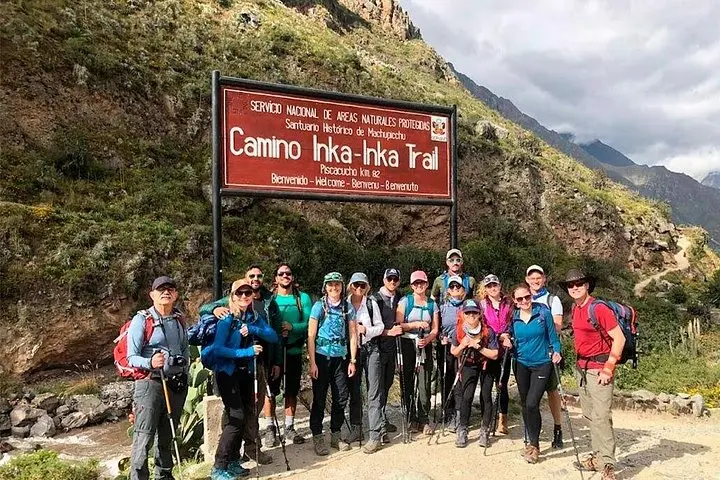
A four-day, permit-controlled trek that follows the classic Inca Trail from KM 82 to Machu Picchu, climbing to the 4,200 m Warmihuañusca pass and finishing at Inti Punku for a sunrise reveal. Expect stone stairways, cloud-forest orchids, and a physically demanding but highly scenic route.
A four-day, permit-controlled trek that follows the classic Inca Trail from KM 82 to Machu Picchu, climbing to the 4,200 m Warmihuañusca pass and finishing at Inti Punku for a sunrise reveal. Expect stone stairways, cloud-forest orchids, and a physically demanding but highly scenic route.
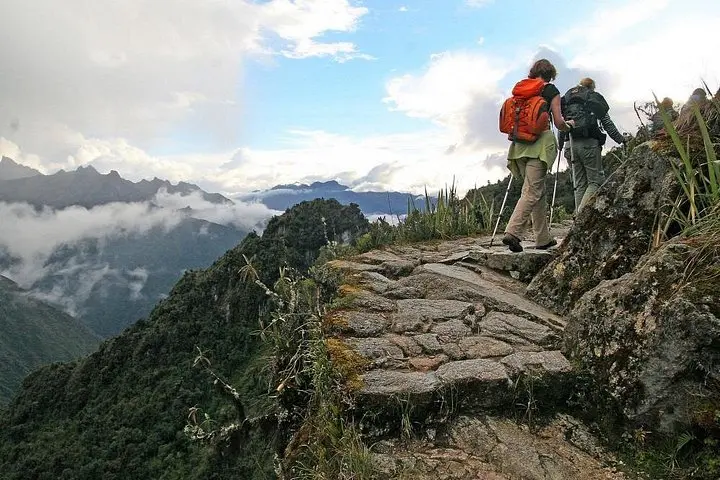
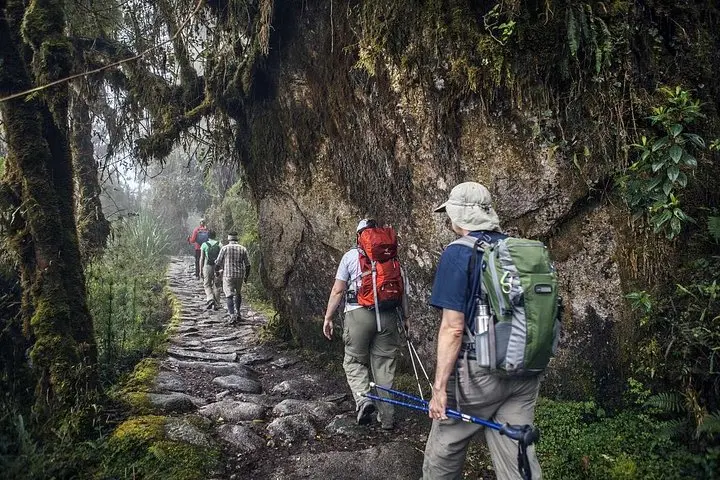
Dawn finds the group moving through high puna grasses, breath clouding in thin air as the trail climbs toward Warmihuañusca — the Pass of the Dead. Stones laid by the Inca strike a steady cadence underfoot; cloud forest calls below and snow-smudged peaks frame the horizon. By the third morning the path threads orchids and darting hummingbirds, and at sunrise on day four Inti Punku (the Sun Gate) frames the first view of Machu Picchu.
Verified experiences and guided adventures in the surrounding area.
Operated by Trip Alpaca Adventure · Cusco, Cusco
Dawn finds the group moving through high puna grasses, breath clouding in thin air as the trail climbs toward Warmihuañusca — the Pass of the Dead. Stones laid by the Inca strike a steady cadence underfoot; cloud forest calls below and snow-smudged peaks frame the horizon. By the third morning the path threads orchids and darting hummingbirds, and at sunrise on day four Inti Punku (the Sun Gate) frames the first view of Machu Picchu.
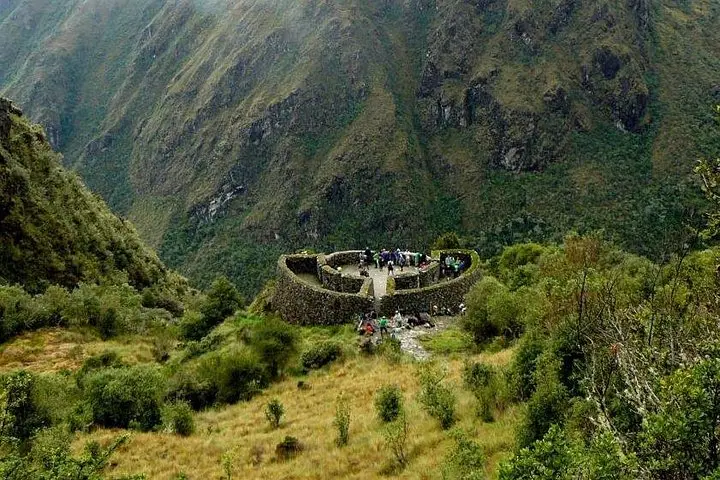
The Inca Trail is both an archaeological corridor and a natural transition zone. Built in the 15th century as part of the Qhapaq Ñan, its switchbacks and stone stairways hug ridgelines carved from volcanic-andesitic bedrock, passing agricultural terraces, guarding sites and ceremonial niches. Local Quechua culture still informs campsite life—food, stories, and porter systems follow long-standing Andean patterns.
Practical guidance tightens the plan: expect 11–15 km per day, a high point near 4,200 m, and rugged, stone-stair terrain with muddy sections in the cloud forest. Permit-controlled access means reservations and passport checks at trailheads; this tour includes permits, tents, meals and train back to Cusco. Hydrate early, pace on ascents, and use trekking poles for steep descents. Layer for rapid temperature swings — cold mornings, warm afternoons, possible afternoon rains.
This route rewards patience: archaeological niches, birdlife in the cloud forest, and the timed theater of Machu Picchu dripping into view at Inti Punku. For anyone prepared for altitude and long days, the trail blends cultural depth with a sustained, physical challenge.
Yes—permits are limited and tied to your passport; this tour includes the required Inca Trail and Machu Picchu entrance tickets.
The route reaches about 4,200 m; acclimatization in Cusco (3,400 m) for 2–3 days and proper hydration lower risk, but symptoms can still occur—inform guides immediately if you feel unwell.
Yes—this tour supplies tents and mats; bring a warm sleeping bag rated to at least -5°C if you prefer your own.
Possibly—Huayna Picchu requires a separate reservation limited by slot; book it in advance if you want to add the climb on day four.
Trip Alpaca Adventure operates guided outdoor trips and adventures with an emphasis on safety, stewardship, and memorable experiences.
Dawn finds the group moving through high puna grasses, breath clouding in thin air as the trail climbs toward Warmihuañusca — the Pass of the Dead. Stones laid by the Inca strike a steady cadence underfoot; cloud forest calls below and snow-smudged peaks frame the horizon. By the third morning the path threads orchids and darting hummingbirds, and at sunrise on day four Inti Punku (the Sun Gate) frames the first view of Machu Picchu.
Dawn finds the group moving through high puna grasses, breath clouding in thin air as the trail climbs toward Warmihuañusca — the Pass of the Dead. Stones laid by the Inca strike a steady cadence underfoot; cloud forest calls below and snow-smudged peaks frame the horizon. By the third morning the path threads orchids and darting hummingbirds, and at sunrise on day four Inti Punku (the Sun Gate) frames the first view of Machu Picchu.
The Inca Trail is both an archaeological corridor and a natural transition zone. Built in the 15th century as part of the Qhapaq Ñan, its switchbacks and stone stairways hug ridgelines carved from volcanic-andesitic bedrock, passing agricultural terraces, guarding sites and ceremonial niches. Local Quechua culture still informs campsite life—food, stories, and porter systems follow long-standing Andean patterns.
Practical guidance tightens the plan: expect 11–15 km per day, a high point near 4,200 m, and rugged, stone-stair terrain with muddy sections in the cloud forest. Permit-controlled access means reservations and passport checks at trailheads; this tour includes permits, tents, meals and train back to Cusco. Hydrate early, pace on ascents, and use trekking poles for steep descents. Layer for rapid temperature swings — cold mornings, warm afternoons, possible afternoon rains.
This route rewards patience: archaeological niches, birdlife in the cloud forest, and the timed theater of Machu Picchu dripping into view at Inti Punku. For anyone prepared for altitude and long days, the trail blends cultural depth with a sustained, physical challenge.