THE ADVENTURE COLLECTIVE® · Independent discovery and booking for outdoor travel

A demanding four-day trek that combines high-altitude hiking, engineered Inca stonework and cloud-forest biodiversity, ending with the sunrise reveal of Machu Picchu. Expect steep steps, regulated permits, and dramatic microclimates.
A demanding four-day trek that combines high-altitude hiking, engineered Inca stonework and cloud-forest biodiversity, ending with the sunrise reveal of Machu Picchu. Expect steep steps, regulated permits, and dramatic microclimates.
The path rises before dawn: headlamps puncture the cold Andean air as a small group files out of the pickup at kilometer 82. The trail climbs through high puna and then drops into cloud forest, with ancient stone steps and terraces keeping time beneath your feet. By the second day, the famous pass at Warmiwañusca (4,200 m) demands steady breathing and slow, deliberate steps; the reward is a panorama that unspools valleys, ridgelines and a shifting curtain of microclimates.
Verified experiences and guided adventures in the surrounding area.
Operated by Chullos Travel Peru · Aguas Calientes, Cusco
The path rises before dawn: headlamps puncture the cold Andean air as a small group files out of the pickup at kilometer 82. The trail climbs through high puna and then drops into cloud forest, with ancient stone steps and terraces keeping time beneath your feet. By the second day, the famous pass at Warmiwañusca (4,200 m) demands steady breathing and slow, deliberate steps; the reward is a panorama that unspools valleys, ridgelines and a shifting curtain of microclimates.
The Inca Trail is part pilgrimage, part engineered roadway — centuries-old stonework, tunnels and watchtowers that the Inca used to link administrative centers. Geologically, the route crosses the eastern flank of the Andes where glacial sculpting carved steep valleys and left narrow, dramatic ridges. Culturally, walkers pass a series of archaeological sites — Patallacta, Runcurakay, Phuyupatamarca and Wiñayhuayna — each with different functions in the Inca road network, culminating at the Intipunku, the Gate of the Sun, where Machu Picchu first appears.
Practical guidance: plan 3 nights of camping, expect 10–15 km walking days with many stone steps and sections of steep descent. Acclimatize 2–3 days in Cusco beforehand, carry layered insulation for large temperature swings, and pack a waterproof shell for frequent afternoon rains during the wet season. Porters carry communal gear, but hikers should carry a 20–30L daypack with water, snacks and personal items. Machu Picchu entry is controlled by Peru’s Ministry of Culture — tickets sell out; secure permits well in advance. Start early each morning to avoid crowds and to experience the changing light over the Andean peaks.
Book as early as possible—permits and Machu Picchu tickets can sell out months ahead, especially during the dry season (May–September).
No formal experience required; porters handle communal gear and a guide leads the group, but comfort with multi-day camping helps.
Altitude sickness is common; acclimatize in Cusco, ascend slowly, stay hydrated and inform guides if symptoms appear—they can assist or organize evacuation if needed.
Basic toilet facilities are available at some camps and archaeological sites, but expect limited amenities—pack personal hygiene items and hand sanitizer.
Chullos Travel Peru operates guided outdoor trips and adventures with an emphasis on safety, stewardship, and memorable experiences.
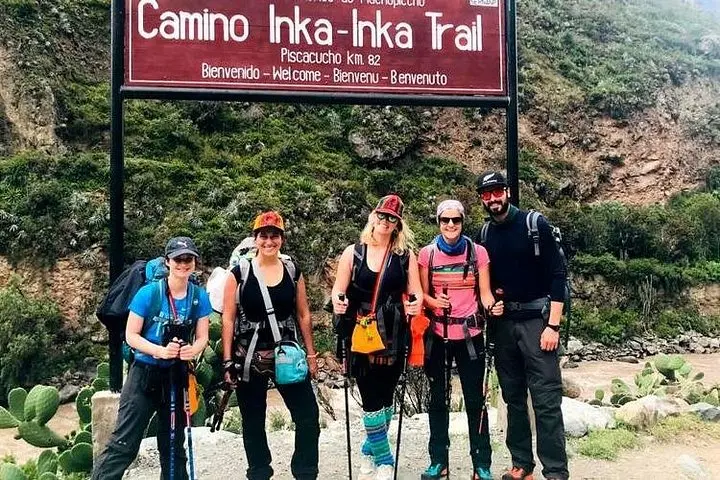
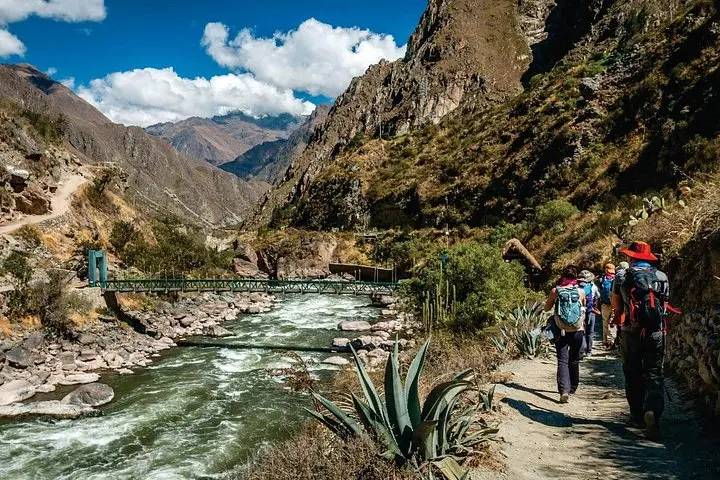
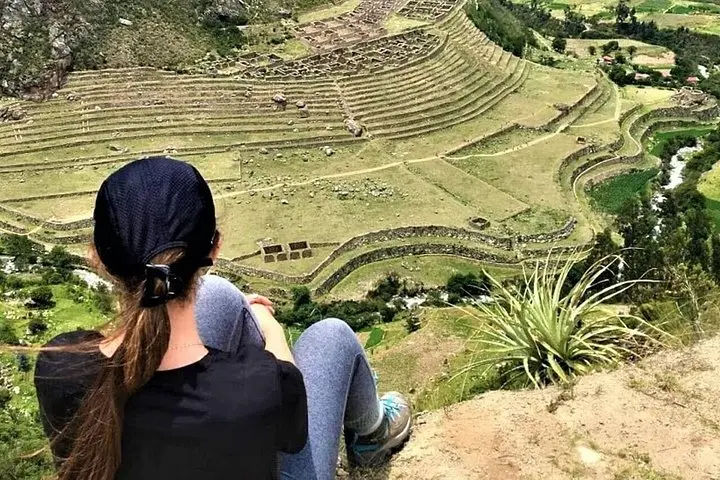
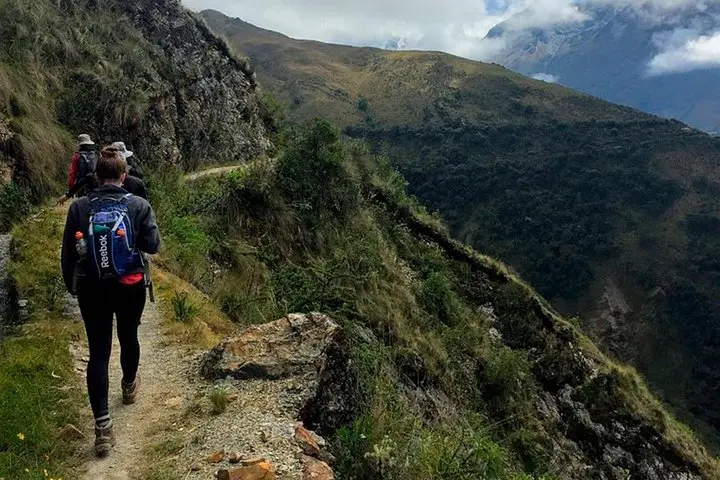
The path rises before dawn: headlamps puncture the cold Andean air as a small group files out of the pickup at kilometer 82. The trail climbs through high puna and then drops into cloud forest, with ancient stone steps and terraces keeping time beneath your feet. By the second day, the famous pass at Warmiwañusca (4,200 m) demands steady breathing and slow, deliberate steps; the reward is a panorama that unspools valleys, ridgelines and a shifting curtain of microclimates.
The path rises before dawn: headlamps puncture the cold Andean air as a small group files out of the pickup at kilometer 82. The trail climbs through high puna and then drops into cloud forest, with ancient stone steps and terraces keeping time beneath your feet. By the second day, the famous pass at Warmiwañusca (4,200 m) demands steady breathing and slow, deliberate steps; the reward is a panorama that unspools valleys, ridgelines and a shifting curtain of microclimates.
The Inca Trail is part pilgrimage, part engineered roadway — centuries-old stonework, tunnels and watchtowers that the Inca used to link administrative centers. Geologically, the route crosses the eastern flank of the Andes where glacial sculpting carved steep valleys and left narrow, dramatic ridges. Culturally, walkers pass a series of archaeological sites — Patallacta, Runcurakay, Phuyupatamarca and Wiñayhuayna — each with different functions in the Inca road network, culminating at the Intipunku, the Gate of the Sun, where Machu Picchu first appears.
Practical guidance: plan 3 nights of camping, expect 10–15 km walking days with many stone steps and sections of steep descent. Acclimatize 2–3 days in Cusco beforehand, carry layered insulation for large temperature swings, and pack a waterproof shell for frequent afternoon rains during the wet season. Porters carry communal gear, but hikers should carry a 20–30L daypack with water, snacks and personal items. Machu Picchu entry is controlled by Peru’s Ministry of Culture — tickets sell out; secure permits well in advance. Start early each morning to avoid crowds and to experience the changing light over the Andean peaks.