THE ADVENTURE COLLECTIVE® · Independent discovery and booking for outdoor travel

Follow ancient stone paths through cloud forest, cross the high pass of Warmihuañusca, and arrive at Machu Picchu at sunrise on this regulated 4-day small-group trek. Practical logistics, daily distances and porter support make this a demanding but accessible classic for acclimatized hikers.
Follow ancient stone paths through cloud forest, cross the high pass of Warmihuañusca, and arrive at Machu Picchu at sunrise on this regulated 4-day small-group trek. Practical logistics, daily distances and porter support make this a demanding but accessible classic for acclimatized hikers.
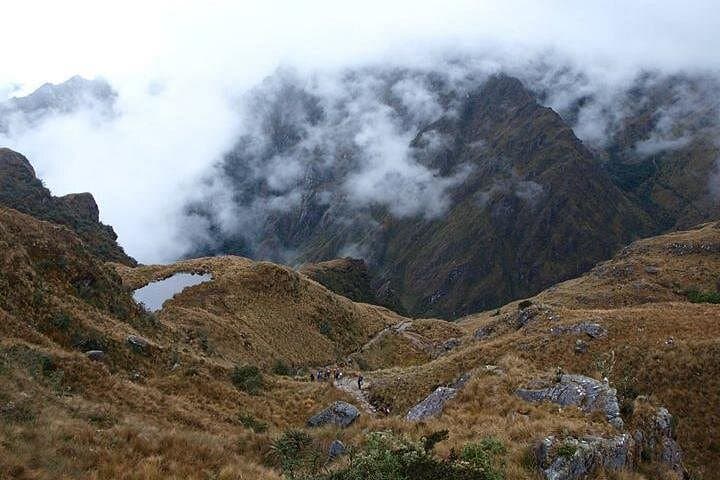
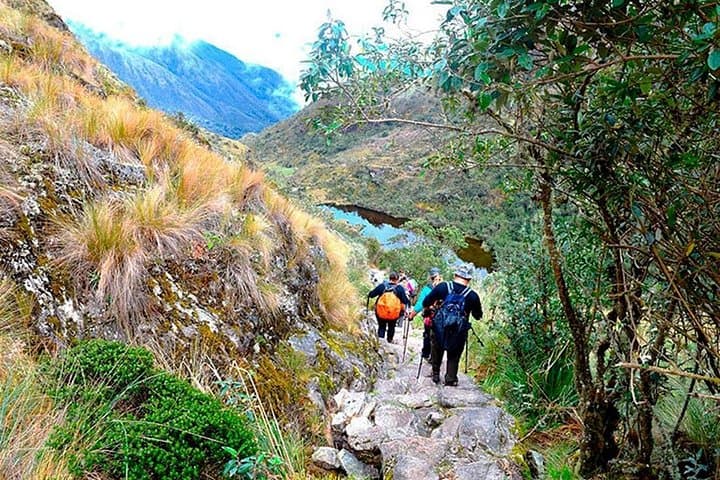
At first light the trail breathes mist and stone. Hikers step from a shuttle at Km 82 and follow centuries-old stone causeways that angle up through cloud forest and high puna, the path alternately hemming you in with dense moss and then opening to wind-swept ridgelines. The trail moves in stages — a steady morning climb, quiet camps at 3,000–3,600 m, the long ascent over Warmihuañusca (Dead Woman’s Pass), and the final dawn reveal at Inti Punku.
Verified experiences and guided adventures in the surrounding area.
Operated by Inkayni Peru Tours · Cusco, Cusco Region
At first light the trail breathes mist and stone. Hikers step from a shuttle at Km 82 and follow centuries-old stone causeways that angle up through cloud forest and high puna, the path alternately hemming you in with dense moss and then opening to wind-swept ridgelines. The trail moves in stages — a steady morning climb, quiet camps at 3,000–3,600 m, the long ascent over Warmihuañusca (Dead Woman’s Pass), and the final dawn reveal at Inti Punku.
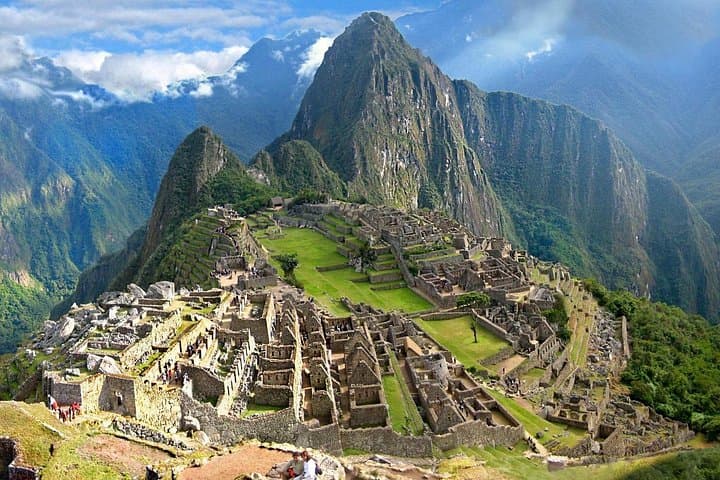
This route is archaeological as much as alpine: engineered Inca stairways, cleverly drained terraces and small ruins like Patallacta, Runkurakay and Sayacmarca illustrate Inca logistics and sacred geography. The geology shifts from river-cut valleys to glacially polished peaks; cloud forest pockets host orchids and hummingbirds while llamas graze the lower terraces. Culturally the trail functioned as a pilgrimage and administrative artery — modern regulation (limited daily permits since 2000) preserves both landscape and livelihood for local porters.
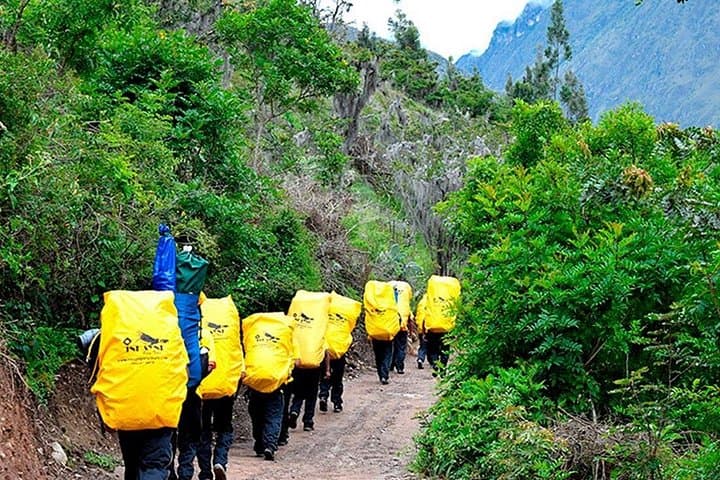
Practically, expect 10–16 km days with single-day gains above 1,200 m; camps are basic but staffed with cooks and sleeping mats; a porter can carry 5 kg. Bring layered clothing, sturdy boots, a hydration system and sun protection; plan to acclimatize in Cusco for 2–3 days beforehand. Start early to avoid afternoon storms and carry cash for last-minute needs in Aguas Calientes.
The Inca Trail demands respect: move deliberately, hydrate often, and follow your guide’s briefings. Do this and the trail will repay you with shifting light, unexpected ruins, and a sunrise that makes the climb worth every breath.
Book at least five months ahead, especially for May–September; permits are strictly limited and tied to your passport number.
Most operators include a porter to carry up to 5 kg of personal gear; you still carry a daypack with essentials and valuables.
Moderate to high fitness — expect multiple long ascents and descents up to 4,215 m; prior multi-day hiking at altitude is strongly recommended.
After Inti Punku you descend into Machu Picchu for a guided visit; many groups return to Aguas Calientes for lunch and then take the train and van back to Cusco.
Inkayni Peru Tours operates guided outdoor trips and adventures with an emphasis on safety, stewardship, and memorable experiences.
At first light the trail breathes mist and stone. Hikers step from a shuttle at Km 82 and follow centuries-old stone causeways that angle up through cloud forest and high puna, the path alternately hemming you in with dense moss and then opening to wind-swept ridgelines. The trail moves in stages — a steady morning climb, quiet camps at 3,000–3,600 m, the long ascent over Warmihuañusca (Dead Woman’s Pass), and the final dawn reveal at Inti Punku.
At first light the trail breathes mist and stone. Hikers step from a shuttle at Km 82 and follow centuries-old stone causeways that angle up through cloud forest and high puna, the path alternately hemming you in with dense moss and then opening to wind-swept ridgelines. The trail moves in stages — a steady morning climb, quiet camps at 3,000–3,600 m, the long ascent over Warmihuañusca (Dead Woman’s Pass), and the final dawn reveal at Inti Punku.
This route is archaeological as much as alpine: engineered Inca stairways, cleverly drained terraces and small ruins like Patallacta, Runkurakay and Sayacmarca illustrate Inca logistics and sacred geography. The geology shifts from river-cut valleys to glacially polished peaks; cloud forest pockets host orchids and hummingbirds while llamas graze the lower terraces. Culturally the trail functioned as a pilgrimage and administrative artery — modern regulation (limited daily permits since 2000) preserves both landscape and livelihood for local porters.
Practically, expect 10–16 km days with single-day gains above 1,200 m; camps are basic but staffed with cooks and sleeping mats; a porter can carry 5 kg. Bring layered clothing, sturdy boots, a hydration system and sun protection; plan to acclimatize in Cusco for 2–3 days beforehand. Start early to avoid afternoon storms and carry cash for last-minute needs in Aguas Calientes.
The Inca Trail demands respect: move deliberately, hydrate often, and follow your guide’s briefings. Do this and the trail will repay you with shifting light, unexpected ruins, and a sunrise that makes the climb worth every breath.