THE ADVENTURE COLLECTIVE® · Independent discovery and booking for outdoor travel

Climb ancient stone stairways, cross high passes and arrive at Machu Picchu at sunrise. This 4-day Inca Trail trek covers 43 km, including the 4,215 m Dead Woman’s Pass—permits are limited, so plan and acclimatize in Cusco.
Climb ancient stone stairways, cross high passes and arrive at Machu Picchu at sunrise. This 4-day Inca Trail trek covers 43 km, including the 4,215 m Dead Woman’s Pass—permits are limited, so plan and acclimatize in Cusco.
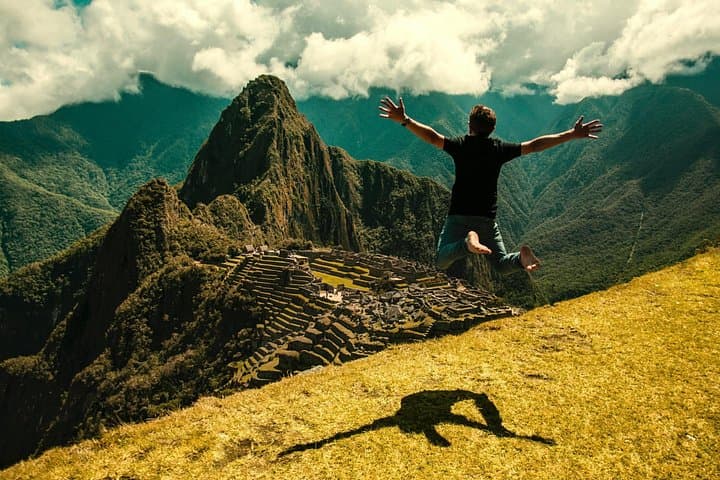
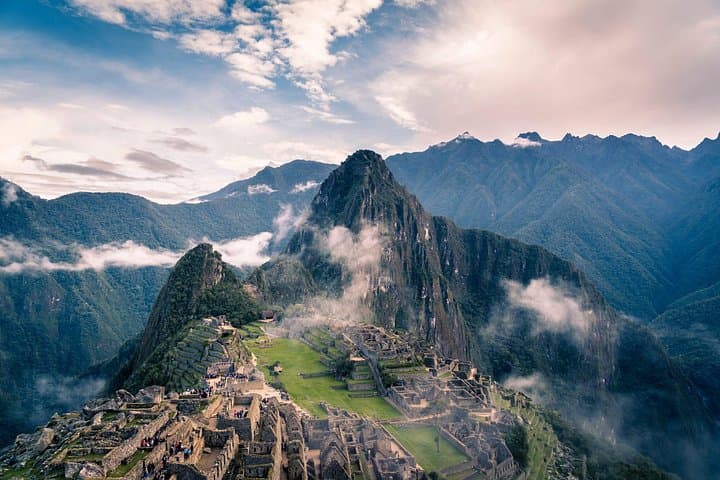
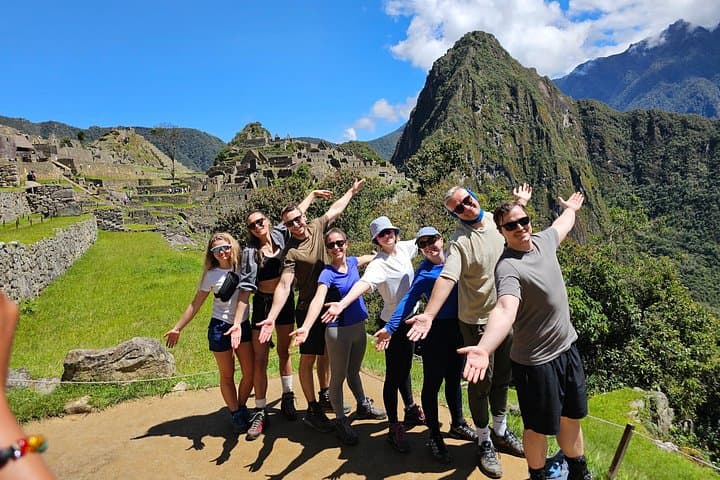
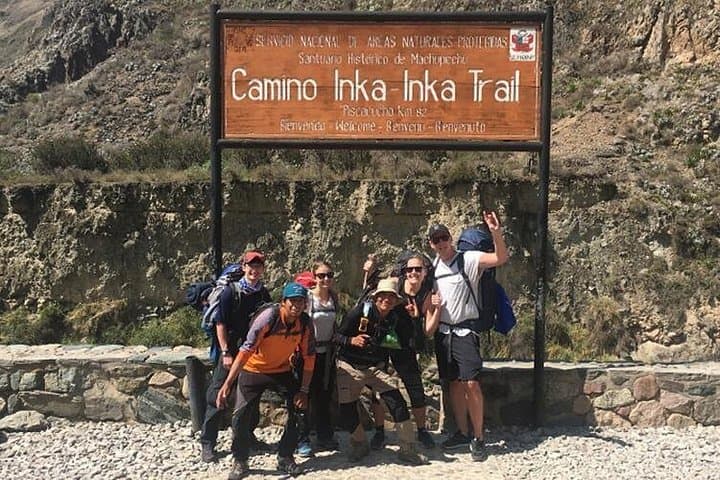
Before dawn the trail narrows into a single ribbon of headlamps and cotton-breath clouds. You climb, breath shortening with each step, and at the Sun Gate the ruins of Machu Picchu slip into the first pale light—stone terraces and roofs catching sunrise like a slow reveal. That moment defines the classic 4-day Inca Trail: strenuous approaches, sudden archaeological windows, and the final payoff of the citadel below.
Verified experiences and guided adventures in the surrounding area.
Operated by Bamba Travel · Cusco, Cusco
Before dawn the trail narrows into a single ribbon of headlamps and cotton-breath clouds. You climb, breath shortening with each step, and at the Sun Gate the ruins of Machu Picchu slip into the first pale light—stone terraces and roofs catching sunrise like a slow reveal. That moment defines the classic 4-day Inca Trail: strenuous approaches, sudden archaeological windows, and the final payoff of the citadel below.
The route follows original Inca stonework that once linked Cusco, the empire’s heart, to sacred sites in the high jungle. Geologically, you pass from the high Andean puna above 4,000 m down into the wet, green canyon of the Urubamba River; glacially carved ridges and steep river incision shape every view. Along the way you’ll thread through small Inca sites—Sayacmarca, Phuyupatamarca, Wiñaywayna—that illustrate pre-Columbian logistics and water management.
Practical matters are decisive here: the trail is 43 km over four days with the high point at Dead Woman’s Pass (4,215 m). Permits are limited and tied to passport details, so book early. Spend 48–72 hours in Cusco to acclimatize, break in boots, and test kit. Choose the COMPLETE option if you want porters and a thermal sleeping bag; otherwise plan to carry essential layers and 3–4 days of food/water management. Expect long stair sections, changeable weather and limited overnight facilities—camping is basic but well-managed by professional crews. Pace conservatively up the passes, sip coca tea, and keep an eye on altitude symptoms. If your group reaches the Sun Gate on a clear morning, the view will repay the training, the advance planning, and the steady, measured steps that get you there.
The classic Inca Trail route is about 43 km over four days; the highest point is Dead Woman’s Pass at 4,215 m.
Yes; permits are tied to passport information and must match the document you carry at checkpoints, or you will be denied entry.
You should have good cardiovascular fitness and experience with full-day hikes at altitude. Regular hill/stair training and carrying a loaded daypack are recommended.
No—permits are limited (including support staff) and sell out months ahead in peak season; book early or expect alternatives such as the Salkantay or alternative routes.
Bamba Travel operates guided outdoor trips and adventures with an emphasis on safety, stewardship, and memorable experiences.
Before dawn the trail narrows into a single ribbon of headlamps and cotton-breath clouds. You climb, breath shortening with each step, and at the Sun Gate the ruins of Machu Picchu slip into the first pale light—stone terraces and roofs catching sunrise like a slow reveal. That moment defines the classic 4-day Inca Trail: strenuous approaches, sudden archaeological windows, and the final payoff of the citadel below.
Before dawn the trail narrows into a single ribbon of headlamps and cotton-breath clouds. You climb, breath shortening with each step, and at the Sun Gate the ruins of Machu Picchu slip into the first pale light—stone terraces and roofs catching sunrise like a slow reveal. That moment defines the classic 4-day Inca Trail: strenuous approaches, sudden archaeological windows, and the final payoff of the citadel below.
The route follows original Inca stonework that once linked Cusco, the empire’s heart, to sacred sites in the high jungle. Geologically, you pass from the high Andean puna above 4,000 m down into the wet, green canyon of the Urubamba River; glacially carved ridges and steep river incision shape every view. Along the way you’ll thread through small Inca sites—Sayacmarca, Phuyupatamarca, Wiñaywayna—that illustrate pre-Columbian logistics and water management.
Practical matters are decisive here: the trail is 43 km over four days with the high point at Dead Woman’s Pass (4,215 m). Permits are limited and tied to passport details, so book early. Spend 48–72 hours in Cusco to acclimatize, break in boots, and test kit. Choose the COMPLETE option if you want porters and a thermal sleeping bag; otherwise plan to carry essential layers and 3–4 days of food/water management. Expect long stair sections, changeable weather and limited overnight facilities—camping is basic but well-managed by professional crews. Pace conservatively up the passes, sip coca tea, and keep an eye on altitude symptoms. If your group reaches the Sun Gate on a clear morning, the view will repay the training, the advance planning, and the steady, measured steps that get you there.