THE ADVENTURE COLLECTIVE® · Independent discovery and booking for outdoor travel

Traverse Inner Mongolia in four days: horse‑ridden alpine meadows, basalt cones at Wulanhada Volcano, and the wind‑shaped dunes of Kubuqi. This private loop blends hands‑on nomadic culture with accessible geology and desert play.
Traverse Inner Mongolia in four days: horse‑ridden alpine meadows, basalt cones at Wulanhada Volcano, and the wind‑shaped dunes of Kubuqi. This private loop blends hands‑on nomadic culture with accessible geology and desert play.
The itinerary opens under a wide northern sky: you step from an air‑conditioned van onto cool, reedy grass that ripples like a living sea. Mongolian herders offer kumiss and a nod; horses stamp and the horizon feels close enough to walk to. Over four days the landscape shifts—alpine meadows, basalt cones, and wind‑sculpted dunes—each with a different cadence and weather to read.
Verified experiences and guided adventures in the surrounding area.
Operated by Private & Custom Tours in Inner Mongolia · Hohhot, Inner Mongolia
The itinerary opens under a wide northern sky: you step from an air‑conditioned van onto cool, reedy grass that ripples like a living sea. Mongolian herders offer kumiss and a nod; horses stamp and the horizon feels close enough to walk to. Over four days the landscape shifts—alpine meadows, basalt cones, and wind‑sculpted dunes—each with a different cadence and weather to read.
Inner Mongolia’s Huitengxile is part of the region’s high plateau meadow system, shaped by Pleistocene glaciers and centuries of grazing. The Ulan Hada volcanic group exposes basalt flows and cinder cones from relatively recent fissure eruptions, while the Kubuqi Desert is a rain‑shadow basin where sand advances and retreat cycles have produced singing dunes and interdunal wetlands used historically by nomads and modern reclamation projects alike. Hohhot provides the urban contrast: Buddhist temples, museums, and markets that anchor the tour culturally.
Expect hands‑on cultural moments—yurt overnight stays, short horse rides, a bonfire if skies cooperate—and field‑scale geology at Ulan Hada. Guides typically lead short hikes (Yellow Flower Valley) and camel treks or sand activities in Kubuqi.
Practical guidance: travel between sites is by private, air‑conditioned vehicle; bring layered clothing for cool nights and strong daytime sun, and allow time for desert dust. Hydrate, wear ankle‑support shoes for dune and volcanic terrain, and carry copies of travel documents; mobile signal is intermittent in remote stretches. The route balances modest activity with immersive scenery—ideal for travelers seeking cultural contact and varied landscapes in one four‑day loop.
June–September are the operating months: summer brings flowers on the grasslands and milder desert conditions; evenings remain cool, so pack layers.
Yes—short, guided rides are offered for beginners, but you should be able to mount and hold basic balance; notify guides of any mobility issues.
Much of the route is rural; mobile reception is intermittent in grassland and desert areas, so plan logistics and emergency contacts before departure.
Travelers must meet China’s visa entry requirements and check routine vaccinations; consult your local health provider for up‑to‑date advice.
Private & Custom Tours in Inner Mongolia operates guided outdoor trips and adventures with an emphasis on safety, stewardship, and memorable experiences.
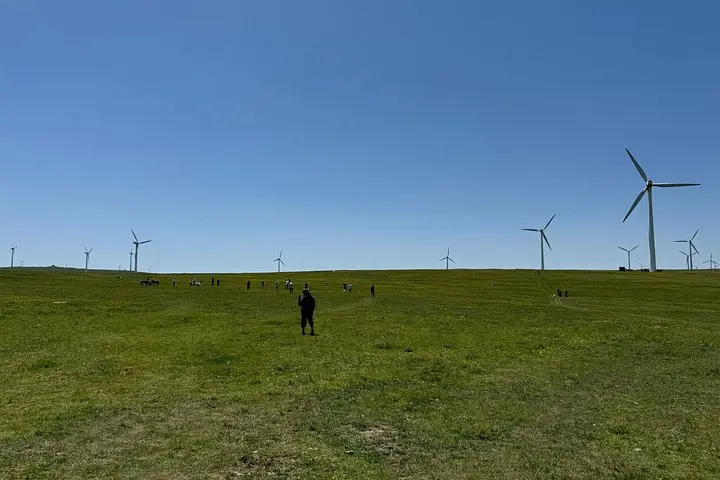
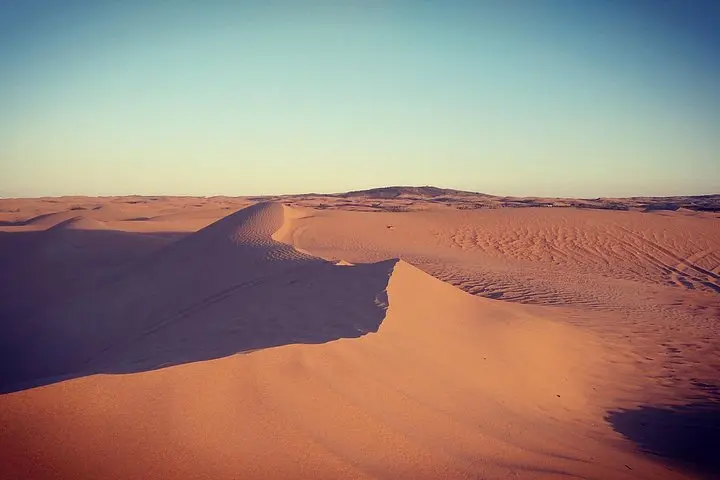
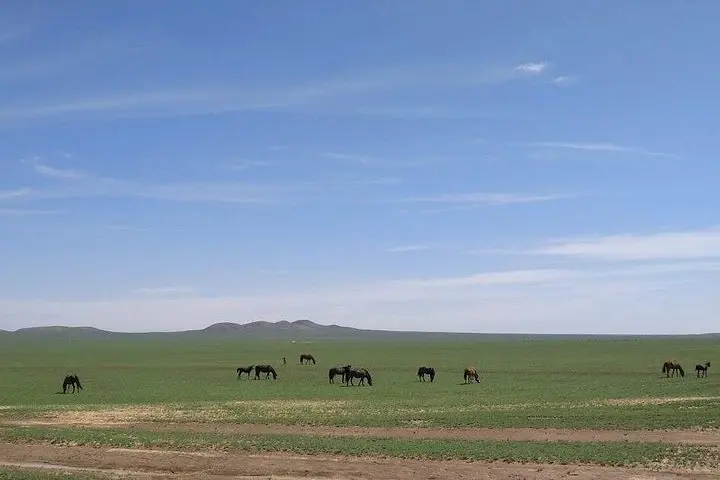
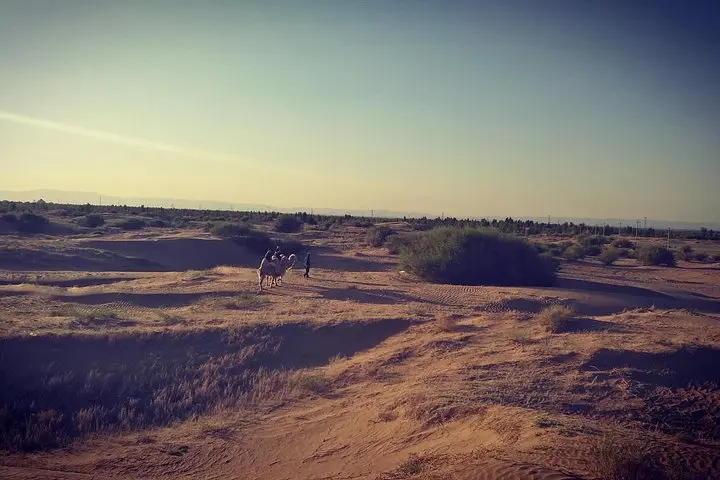
The itinerary opens under a wide northern sky: you step from an air‑conditioned van onto cool, reedy grass that ripples like a living sea. Mongolian herders offer kumiss and a nod; horses stamp and the horizon feels close enough to walk to. Over four days the landscape shifts—alpine meadows, basalt cones, and wind‑sculpted dunes—each with a different cadence and weather to read.
The itinerary opens under a wide northern sky: you step from an air‑conditioned van onto cool, reedy grass that ripples like a living sea. Mongolian herders offer kumiss and a nod; horses stamp and the horizon feels close enough to walk to. Over four days the landscape shifts—alpine meadows, basalt cones, and wind‑sculpted dunes—each with a different cadence and weather to read.
Inner Mongolia’s Huitengxile is part of the region’s high plateau meadow system, shaped by Pleistocene glaciers and centuries of grazing. The Ulan Hada volcanic group exposes basalt flows and cinder cones from relatively recent fissure eruptions, while the Kubuqi Desert is a rain‑shadow basin where sand advances and retreat cycles have produced singing dunes and interdunal wetlands used historically by nomads and modern reclamation projects alike. Hohhot provides the urban contrast: Buddhist temples, museums, and markets that anchor the tour culturally.
Expect hands‑on cultural moments—yurt overnight stays, short horse rides, a bonfire if skies cooperate—and field‑scale geology at Ulan Hada. Guides typically lead short hikes (Yellow Flower Valley) and camel treks or sand activities in Kubuqi.
Practical guidance: travel between sites is by private, air‑conditioned vehicle; bring layered clothing for cool nights and strong daytime sun, and allow time for desert dust. Hydrate, wear ankle‑support shoes for dune and volcanic terrain, and carry copies of travel documents; mobile signal is intermittent in remote stretches. The route balances modest activity with immersive scenery—ideal for travelers seeking cultural contact and varied landscapes in one four‑day loop.