THE ADVENTURE COLLECTIVE® · Independent discovery and booking for outdoor travel

Four days across the Jaffna Peninsula combine boat crossings to Nagadeepa, visits to ornate Hindu kovils and time on Casuarina and Point Pedro beaches. This cultural-coastal circuit pairs easy walks with temple rituals and coastal ferry crossings—ideal for travelers seeking heritage, food and shoreline scenery.
Four days across the Jaffna Peninsula combine boat crossings to Nagadeepa, visits to ornate Hindu kovils and time on Casuarina and Point Pedro beaches. This cultural-coastal circuit pairs easy walks with temple rituals and coastal ferry crossings—ideal for travelers seeking heritage, food and shoreline scenery.
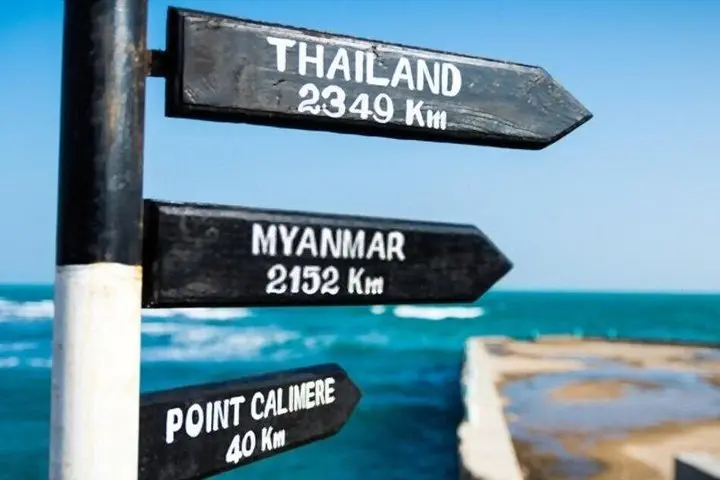
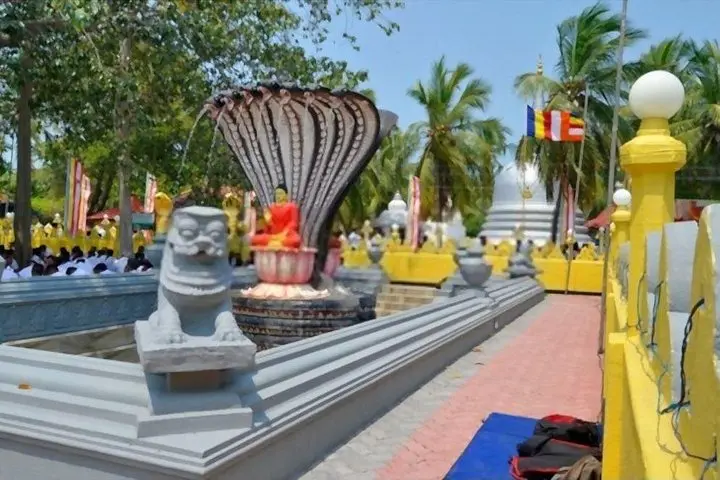
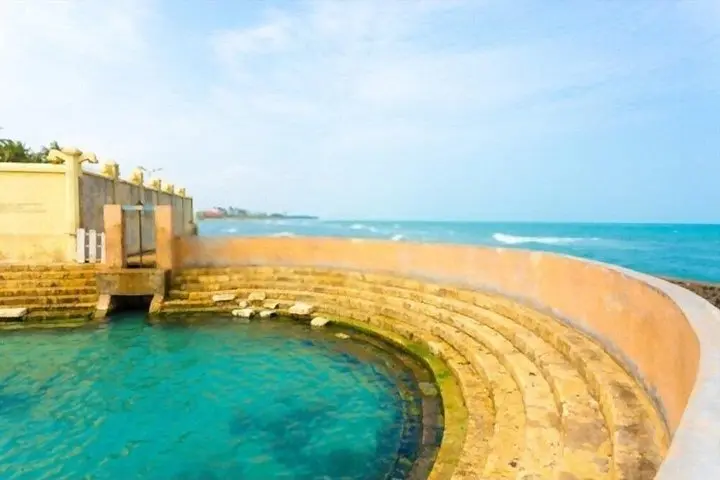
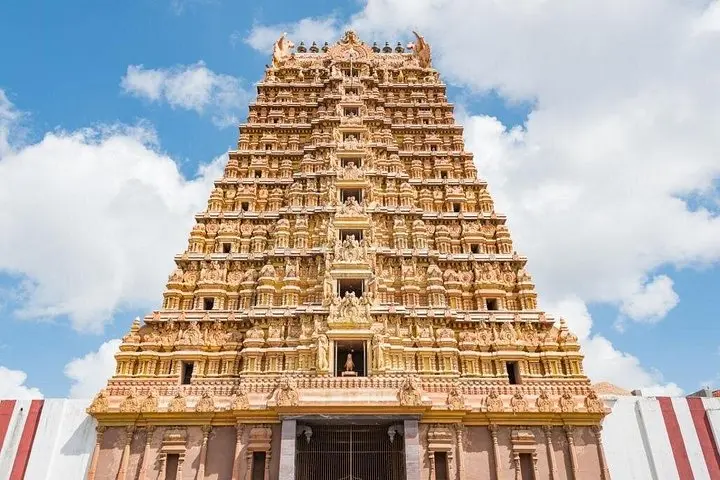
At first light the road north tightens into a ribbon over lagoons and palmyra groves, and the Jaffna Peninsula appears as a low horizon of temples and fishing boats. Over four days the landscape alternates between salt-flat shorelines, red-earth lanes, and tidy town streets where children chase kites beneath ornate kovil gopurams. A short open-boat crossing to Nagadeepa Vihara cuts across a pale blue channel; ashore, rituals and centuries-old stone steps meet fishermen hauling nets at dawn.
Verified experiences and guided adventures in the surrounding area.
Operated by Ceylon Travel Dream · Jaffna, Northern Province
At first light the road north tightens into a ribbon over lagoons and palmyra groves, and the Jaffna Peninsula appears as a low horizon of temples and fishing boats. Over four days the landscape alternates between salt-flat shorelines, red-earth lanes, and tidy town streets where children chase kites beneath ornate kovil gopurams. A short open-boat crossing to Nagadeepa Vihara cuts across a pale blue channel; ashore, rituals and centuries-old stone steps meet fishermen hauling nets at dawn.
Jaffna is the cultural heart of Sri Lankan Tamils: its temples, libraries and colonial façades record Portuguese, Dutch and British layers beside an older Hindu and Buddhist continuity. Geologically the peninsula is formed of coastal plains and coral outcrops, shaped by monsoon-driven currents and tidal flats—expect sandy beaches like Casuarina, shallow reefs, and exposed tidal mudflats around Point Pedro. Local culture centers on food (distinct Jaffna curries), temple festivals, and Palmyra craft. Elephant Pass, historically strategic, still reads like a landscape of passages and memory.
Practically, days mix short guided walks, temple visits, a boat safari to Nagadeepa, roadside food stops and beach time. Dress modestly for religious sites, wear sturdy sandals for hot, uneven surfaces, and bring sun protection and mosquito repellent. Carry local cash for small purchases; guides generally arrange ferries and accommodation. Best light for photography and cooler walking is early morning and late afternoon. This is an easy-paced cultural and coastal exploration—not technical—but it rewards patience, curiosity and basic coastal trip preparation.
Most travelers to Sri Lanka require a visa or ETA before arrival—check your government’s travel site and obtain the ETA online prior to travel.
Yes; the short boat crossing operates year-round though services may adjust during heavy monsoon seas—your guide will schedule crossings accordingly.
Jaffna city has ATMs, pharmacies and a hospital, but remote points like Point Pedro have limited services—carry essentials and any prescriptions.
Sri Lankan Rupees (LKR) are standard; bring some cash for small purchases though larger hotels and some vendors accept cards.
Ceylon Travel Dream operates guided outdoor trips and adventures with an emphasis on safety, stewardship, and memorable experiences.
At first light the road north tightens into a ribbon over lagoons and palmyra groves, and the Jaffna Peninsula appears as a low horizon of temples and fishing boats. Over four days the landscape alternates between salt-flat shorelines, red-earth lanes, and tidy town streets where children chase kites beneath ornate kovil gopurams. A short open-boat crossing to Nagadeepa Vihara cuts across a pale blue channel; ashore, rituals and centuries-old stone steps meet fishermen hauling nets at dawn.
At first light the road north tightens into a ribbon over lagoons and palmyra groves, and the Jaffna Peninsula appears as a low horizon of temples and fishing boats. Over four days the landscape alternates between salt-flat shorelines, red-earth lanes, and tidy town streets where children chase kites beneath ornate kovil gopurams. A short open-boat crossing to Nagadeepa Vihara cuts across a pale blue channel; ashore, rituals and centuries-old stone steps meet fishermen hauling nets at dawn.
Jaffna is the cultural heart of Sri Lankan Tamils: its temples, libraries and colonial façades record Portuguese, Dutch and British layers beside an older Hindu and Buddhist continuity. Geologically the peninsula is formed of coastal plains and coral outcrops, shaped by monsoon-driven currents and tidal flats—expect sandy beaches like Casuarina, shallow reefs, and exposed tidal mudflats around Point Pedro. Local culture centers on food (distinct Jaffna curries), temple festivals, and Palmyra craft. Elephant Pass, historically strategic, still reads like a landscape of passages and memory.
Practically, days mix short guided walks, temple visits, a boat safari to Nagadeepa, roadside food stops and beach time. Dress modestly for religious sites, wear sturdy sandals for hot, uneven surfaces, and bring sun protection and mosquito repellent. Carry local cash for small purchases; guides generally arrange ferries and accommodation. Best light for photography and cooler walking is early morning and late afternoon. This is an easy-paced cultural and coastal exploration—not technical—but it rewards patience, curiosity and basic coastal trip preparation.