THE ADVENTURE COLLECTIVE® · Independent discovery and booking for outdoor travel

From Johannesburg’s bustle to Kruger’s dawn-lit plains and the cliff-top views of Blyde River Canyon, this four-day tour pairs Big Five safaris with the Panorama Route’s geological wonders. Expect open 4x4 game drives, dramatic viewpoints and waterfall stops along a carefully paced itinerary.
From Johannesburg’s bustle to Kruger’s dawn-lit plains and the cliff-top views of Blyde River Canyon, this four-day tour pairs Big Five safaris with the Panorama Route’s geological wonders. Expect open 4x4 game drives, dramatic viewpoints and waterfall stops along a carefully paced itinerary.
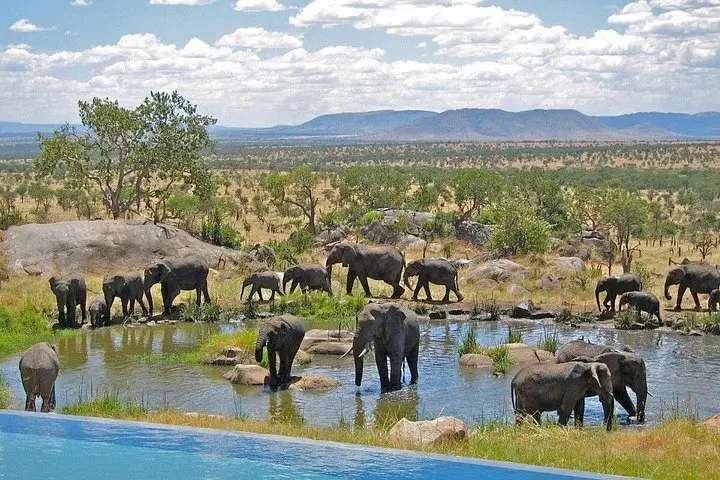
The truck eases out of Johannesburg while the city’s silhouette thins and the Lowveld unfurls: copper-red earth, stands of fever trees, and a horizon that feels wide enough to hold an elephant’s slow stride. By late afternoon the convoy slips into Kruger’s rim, the light turning the savannah into a spread of gold and shadow. An open 4x4 takes you close enough to see the whiskers on a grazing wildebeest and feel the warm wind nudge the vehicle as dusk draws predators toward water.
Verified experiences and guided adventures in the surrounding area.
Operated by African Cape Safaris · Hazyview, Mpumalanga
The truck eases out of Johannesburg while the city’s silhouette thins and the Lowveld unfurls: copper-red earth, stands of fever trees, and a horizon that feels wide enough to hold an elephant’s slow stride. By late afternoon the convoy slips into Kruger’s rim, the light turning the savannah into a spread of gold and shadow. An open 4x4 takes you close enough to see the whiskers on a grazing wildebeest and feel the warm wind nudge the vehicle as dusk draws predators toward water.
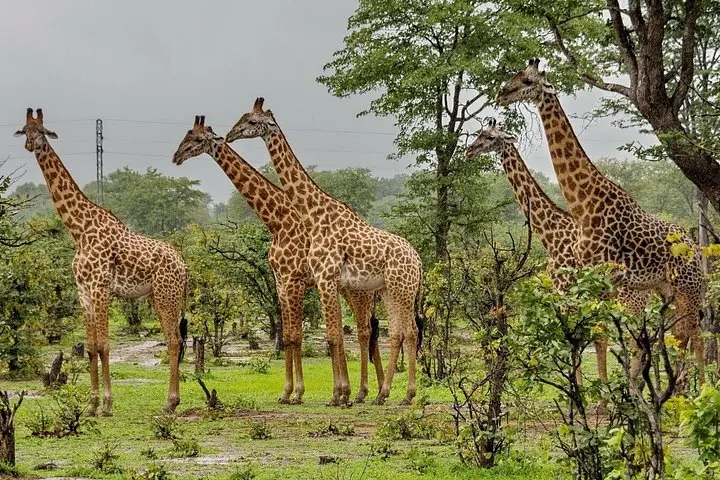
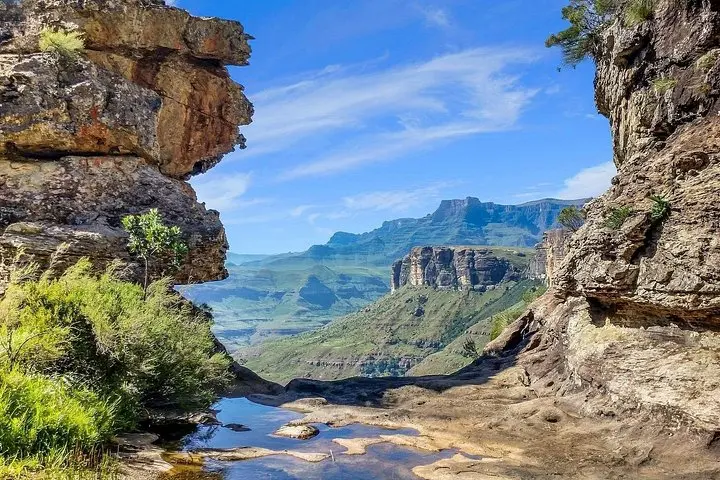
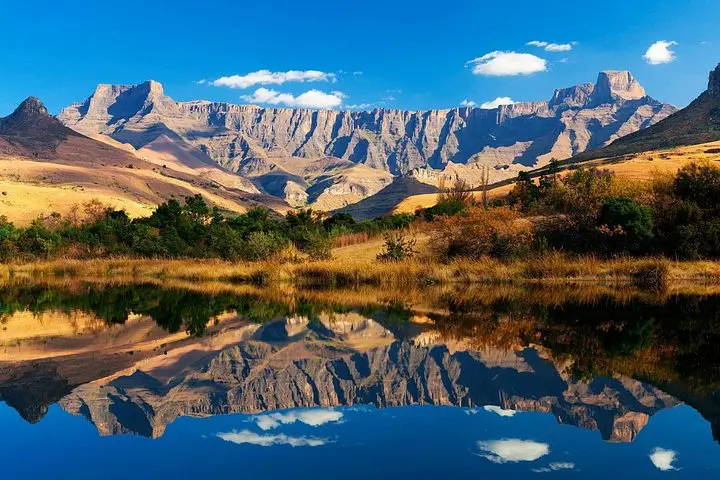
This four-day loop threads two of Mpumalanga’s great draws—Kruger National Park’s animal-rich wilderness and the geological drama of the Panorama Route. Kruger, established in 1898 and expanded across nearly 20,000 km2, protects an ecosystem shaped by ancient rivers and seasonal fires; its long grasslands and mopane thickets are ideal stage for Africa’s Big Five and hundreds of bird species. The Blyde River Canyon, one of the world’s largest green canyons, is carved from sandstone and shale; its cliffs, potholes and plunging waterfalls tell a geologic story of water-sculpted rock and millennia of erosion.
Culturally, the route passes communities with deep ties to the land—local guides often share oral histories of the canyon and explain the traditional uses of plants you’ll see along the trail. At Bourke’s Luck Potholes, the swirl of water gives a visible record of time in stone; at God’s Window the escarpment’s edge throws a long, cinematic view across valleys that, on a clear day, reach toward Mozambique.
Practical edge: this is wildlife travel first and sightseeing second. Expect early starts and long, bumpy drives between highlights. The tour is wheelchair-accessible in many parts, but safaris in open 4x4s require steady footing to climb in and out. Malaria is present in parts of Kruger—speak with a travel clinic before you go. Bring binoculars and a camera with a telephoto lens; listen closely to guides who read tracks better than any map.
Day-to-day: depart Johannesburg around 8am, arrive Hazyview for a sunset game drive, spend a full day tracking species in Kruger, then a day driving the Panorama Route—God’s Window, Bourke’s Luck Potholes, Three Rondavels and Lisbon Falls—before returning to Johannesburg on day four. Accommodations are overnight B&Bs in Hazyview; meals and park fees for included safaris are covered.
Timing and pacing matter: dawn and dusk are wildlife prime-time and cooler for walking; mid-day on the Panorama Route is best for waterfall photography. Respect park rules—stay with the vehicle on drives, keep noise low, and don’t feed or approach animals. Approaching Africa this way—part natural history, part human story—gives you close encounters without sacrificing safety or context.
Yes—parts of Kruger and surrounding Lowveld are malaria-risk zones; consult a travel clinic 4–6 weeks before travel for current recommendations.
The tour includes safaris listed in the itinerary; confirm with the operator whether additional park entrance fees or conservation levies are covered at booking.
The tour accommodates families and seniors; open 4x4s require careful boarding and guests must follow guide safety briefings—infants must sit on an adult’s lap.
Kruger offers consistent sightings of common species and a good chance for the Big Five, but wildlife is not guaranteed—guides maximize sightings using local knowledge and track reading.
Many transport and some viewpoints are wheelchair-accessible, but boarding open 4x4s may require transfer assistance—notify operator of needs when booking.
South African rand is standard; tipping guides and drivers 10–15% is customary for good service, and small change is useful for park staff and porters.
African Cape Safaris operates guided outdoor trips and adventures with an emphasis on safety, stewardship, and memorable experiences.
The truck eases out of Johannesburg while the city’s silhouette thins and the Lowveld unfurls: copper-red earth, stands of fever trees, and a horizon that feels wide enough to hold an elephant’s slow stride. By late afternoon the convoy slips into Kruger’s rim, the light turning the savannah into a spread of gold and shadow. An open 4x4 takes you close enough to see the whiskers on a grazing wildebeest and feel the warm wind nudge the vehicle as dusk draws predators toward water.
The truck eases out of Johannesburg while the city’s silhouette thins and the Lowveld unfurls: copper-red earth, stands of fever trees, and a horizon that feels wide enough to hold an elephant’s slow stride. By late afternoon the convoy slips into Kruger’s rim, the light turning the savannah into a spread of gold and shadow. An open 4x4 takes you close enough to see the whiskers on a grazing wildebeest and feel the warm wind nudge the vehicle as dusk draws predators toward water.
This four-day loop threads two of Mpumalanga’s great draws—Kruger National Park’s animal-rich wilderness and the geological drama of the Panorama Route. Kruger, established in 1898 and expanded across nearly 20,000 km2, protects an ecosystem shaped by ancient rivers and seasonal fires; its long grasslands and mopane thickets are ideal stage for Africa’s Big Five and hundreds of bird species. The Blyde River Canyon, one of the world’s largest green canyons, is carved from sandstone and shale; its cliffs, potholes and plunging waterfalls tell a geologic story of water-sculpted rock and millennia of erosion.
Culturally, the route passes communities with deep ties to the land—local guides often share oral histories of the canyon and explain the traditional uses of plants you’ll see along the trail. At Bourke’s Luck Potholes, the swirl of water gives a visible record of time in stone; at God’s Window the escarpment’s edge throws a long, cinematic view across valleys that, on a clear day, reach toward Mozambique.
Practical edge: this is wildlife travel first and sightseeing second. Expect early starts and long, bumpy drives between highlights. The tour is wheelchair-accessible in many parts, but safaris in open 4x4s require steady footing to climb in and out. Malaria is present in parts of Kruger—speak with a travel clinic before you go. Bring binoculars and a camera with a telephoto lens; listen closely to guides who read tracks better than any map.
Day-to-day: depart Johannesburg around 8am, arrive Hazyview for a sunset game drive, spend a full day tracking species in Kruger, then a day driving the Panorama Route—God’s Window, Bourke’s Luck Potholes, Three Rondavels and Lisbon Falls—before returning to Johannesburg on day four. Accommodations are overnight B&Bs in Hazyview; meals and park fees for included safaris are covered.
Timing and pacing matter: dawn and dusk are wildlife prime-time and cooler for walking; mid-day on the Panorama Route is best for waterfall photography. Respect park rules—stay with the vehicle on drives, keep noise low, and don’t feed or approach animals. Approaching Africa this way—part natural history, part human story—gives you close encounters without sacrificing safety or context.