THE ADVENTURE COLLECTIVE® · Independent discovery and booking for outdoor travel

Float in the mineral-rich Dead Sea, walk Jerusalem’s layered holy sites, enter Petra through the Siq and watch Wadi Rum ignite at sunset on this four-day private circuit. This compact tour blends history, geology and desert nights with private transfers and local guides.
Float in the mineral-rich Dead Sea, walk Jerusalem’s layered holy sites, enter Petra through the Siq and watch Wadi Rum ignite at sunset on this four-day private circuit. This compact tour blends history, geology and desert nights with private transfers and local guides.
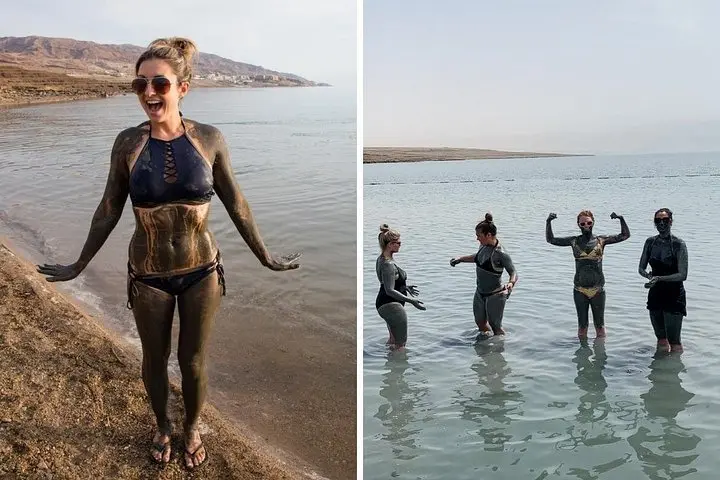
You step out of Queen Alia Airport into a warm Jordanian evening; the driver waits with a placard, light tapping of luggage wheels on tarmac. Sixty minutes later the highway slides into the low, flat bowl of the Dead Sea—its surface a mirror that refuses to swallow a footprint. The water seems to grin as you lower yourself into it; buoyancy makes motion optional and the salt pushes you gently toward the shore.
Verified experiences and guided adventures in the surrounding area.
Operated by Tour Experts · Amman, Amman Governorate
You step out of Queen Alia Airport into a warm Jordanian evening; the driver waits with a placard, light tapping of luggage wheels on tarmac. Sixty minutes later the highway slides into the low, flat bowl of the Dead Sea—its surface a mirror that refuses to swallow a footprint. The water seems to grin as you lower yourself into it; buoyancy makes motion optional and the salt pushes you gently toward the shore.
This compact four-day loop stitches together contrasting landscapes and histories: the mineral mirror of the Dead Sea, the layered holy ground of Jerusalem, the rose-red theatre of Petra and the open-arm desert of Wadi Rum. Geology reads like a travelogue here—limestone terraces at the Dead Sea, calcified sandstone canyons in Petra carved by wind and time, and the wind-swept volcanic and sandstone plains of Wadi Rum that glow like embers at sunset.
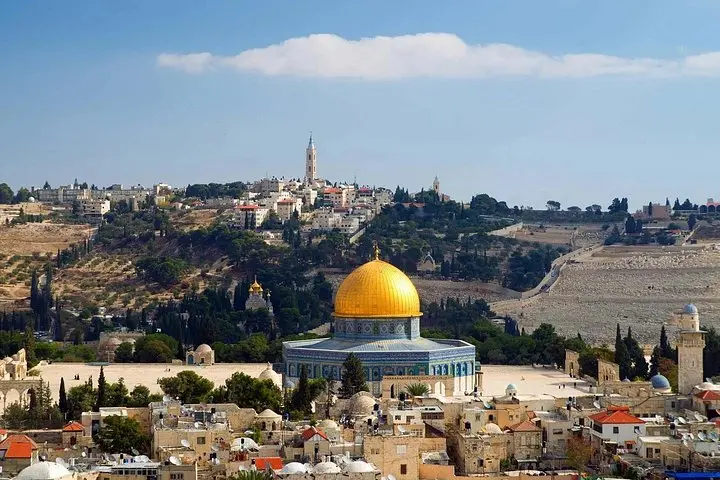
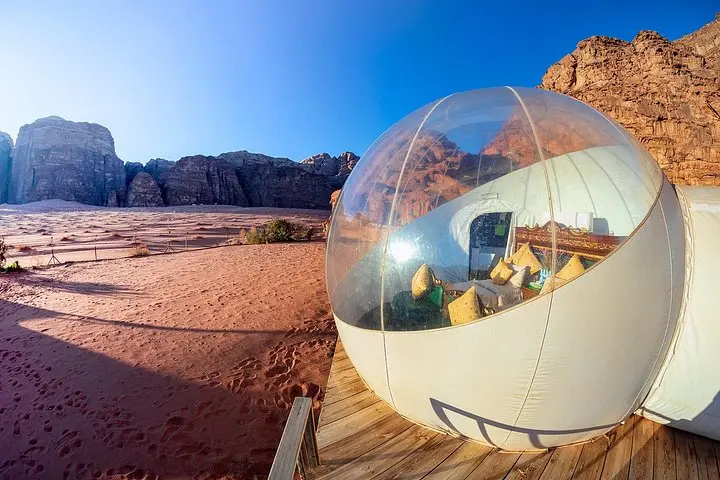
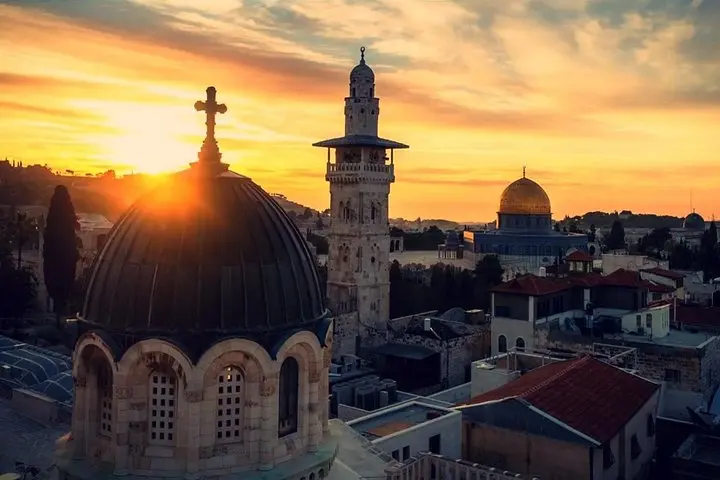
Jerusalem is a living archive. Walk the Via Dolorosa and you feel centuries layered on narrow streets; stand on the Mount of Olives and the Old City unfolds below with its Ottoman walls and gates. Petra’s Siq funnels you through a shadowed cleft before the Treasury reveals itself in a cinematic burst of ochre. Wadi Rum, by contrast, gives you sky—open, vast and unhurried—where 4x4 tracks and Bedouin smoke signals mark human presence.
Culture here is immediate and practical: expect border formalities at King Hussein Bridge, modest dress around religious sites, and Arabic and English used interchangeably by guides. The tour’s private transfers and local drivers smooth logistics, but timings are long—full days with several hours on the road—so plan for comfort.
Practical guidance: pack a lightweight sun shell and closed hiking shoes for Petra’s uneven rock and stair sections (around 800–1,000 vertical steps in parts of the site if you explore widely). Dead Sea stops are short and restorative—bring a towel and biodegradable sunscreen; the salt will sting open cuts. Wadi Rum’s sunset is the best time for photography but temperatures swing quickly after dark—layers are essential.
Expect drives: Queen Alia to Dead Sea ~45–60 minutes; Petra visit and transfer to Wadi Rum can be a long day (allow full daylight hours); Wadi Rum to Amman/airport ~3.5 hours. Hydrate frequently in the desert heat, carry photocopies of passports for border crossings, and negotiate a modest pace—this itinerary rewards an early start in Petra and a late afternoon in Wadi Rum.
By the final day you’ll have walked sacred streets, floated where the earth dips lowest, stood inside a city carved from rock and watched the desert swallow the sun—four days that move at continental speed but leave room for the small, singular details that make travel memorable.
Visa and entry rules vary by nationality; crossing at the King Hussein/Allenby Bridge requires passport checks—confirm visa requirements with your consulate well before travel.
You can float safely but avoid swallowing water, and don’t enter with open wounds; rinse off after and use biodegradable sunscreen.
Expect several hours on foot with uneven stone paths and stairs; you can hire a horse or carriage for short stretches but much of the site is best experienced on foot.
Hotels and tents are included per the selected option—choices range from 3* to 5* hotels and luxury or VIP tents in Wadi Rum.
Many areas list wheelchair-accessible transport and services, but historic sites like Petra and parts of Jerusalem have uneven terrain and limited access—check specifics with the operator.
The trip includes an English-speaking driver; guides in major sites commonly speak English and Arabic.
Tour Experts operates guided outdoor trips and adventures with an emphasis on safety, stewardship, and memorable experiences.
You step out of Queen Alia Airport into a warm Jordanian evening; the driver waits with a placard, light tapping of luggage wheels on tarmac. Sixty minutes later the highway slides into the low, flat bowl of the Dead Sea—its surface a mirror that refuses to swallow a footprint. The water seems to grin as you lower yourself into it; buoyancy makes motion optional and the salt pushes you gently toward the shore.
You step out of Queen Alia Airport into a warm Jordanian evening; the driver waits with a placard, light tapping of luggage wheels on tarmac. Sixty minutes later the highway slides into the low, flat bowl of the Dead Sea—its surface a mirror that refuses to swallow a footprint. The water seems to grin as you lower yourself into it; buoyancy makes motion optional and the salt pushes you gently toward the shore.
This compact four-day loop stitches together contrasting landscapes and histories: the mineral mirror of the Dead Sea, the layered holy ground of Jerusalem, the rose-red theatre of Petra and the open-arm desert of Wadi Rum. Geology reads like a travelogue here—limestone terraces at the Dead Sea, calcified sandstone canyons in Petra carved by wind and time, and the wind-swept volcanic and sandstone plains of Wadi Rum that glow like embers at sunset.
Jerusalem is a living archive. Walk the Via Dolorosa and you feel centuries layered on narrow streets; stand on the Mount of Olives and the Old City unfolds below with its Ottoman walls and gates. Petra’s Siq funnels you through a shadowed cleft before the Treasury reveals itself in a cinematic burst of ochre. Wadi Rum, by contrast, gives you sky—open, vast and unhurried—where 4x4 tracks and Bedouin smoke signals mark human presence.
Culture here is immediate and practical: expect border formalities at King Hussein Bridge, modest dress around religious sites, and Arabic and English used interchangeably by guides. The tour’s private transfers and local drivers smooth logistics, but timings are long—full days with several hours on the road—so plan for comfort.
Practical guidance: pack a lightweight sun shell and closed hiking shoes for Petra’s uneven rock and stair sections (around 800–1,000 vertical steps in parts of the site if you explore widely). Dead Sea stops are short and restorative—bring a towel and biodegradable sunscreen; the salt will sting open cuts. Wadi Rum’s sunset is the best time for photography but temperatures swing quickly after dark—layers are essential.
Expect drives: Queen Alia to Dead Sea ~45–60 minutes; Petra visit and transfer to Wadi Rum can be a long day (allow full daylight hours); Wadi Rum to Amman/airport ~3.5 hours. Hydrate frequently in the desert heat, carry photocopies of passports for border crossings, and negotiate a modest pace—this itinerary rewards an early start in Petra and a late afternoon in Wadi Rum.
By the final day you’ll have walked sacred streets, floated where the earth dips lowest, stood inside a city carved from rock and watched the desert swallow the sun—four days that move at continental speed but leave room for the small, singular details that make travel memorable.