THE ADVENTURE COLLECTIVE® · Independent discovery and booking for outdoor travel

Traverse Uganda’s primate heartland on a four-day itinerary from Kibale’s chimp-rich canopy to Bwindi’s mountain gorilla families. Expect dense rainforest, steep muddy slopes, long transfers and once-in-a-lifetime wildlife encounters.
Traverse Uganda’s primate heartland on a four-day itinerary from Kibale’s chimp-rich canopy to Bwindi’s mountain gorilla families. Expect dense rainforest, steep muddy slopes, long transfers and once-in-a-lifetime wildlife encounters.
A gray dawn lifts over tea terraces and crater lakes as your driver pushes west from Kampala toward Fort Portal. By late morning you’re stepping into earthy shade—Kibale’s canopy presses close, every branch threaded with the chatter of monkeys and the metallic call of turacos. On day two you join trackers at Kanyanchu, following faint trails where chimpanzees move like shadows; later the route dives into bamboo and moss as you head south to Bwindi, where the forest closes in and a silverback’s stare can stop time.
Verified experiences and guided adventures in the surrounding area.
Operated by Verdoro Safaris Uganda · Buhoma (Bwindi), Kanungu District
A gray dawn lifts over tea terraces and crater lakes as your driver pushes west from Kampala toward Fort Portal. By late morning you’re stepping into earthy shade—Kibale’s canopy presses close, every branch threaded with the chatter of monkeys and the metallic call of turacos. On day two you join trackers at Kanyanchu, following faint trails where chimpanzees move like shadows; later the route dives into bamboo and moss as you head south to Bwindi, where the forest closes in and a silverback’s stare can stop time.
This corridor sits on the western edge of the Albertine Rift: volcanic soils, steep ridges and ancient forests that harbor East Africa’s richest primate communities. The Bakiga and Batoro peoples have lived here for generations; community-run projects such as Bigodi Wetland Sanctuary demonstrate how conservation and local livelihoods intersect. The trip balances cultural insight with rugged ecology—Kibale’s mixed-deciduous forests and Bwindi’s montane rainforest tell different geological stories but the same conservation urgency.
Practically: chimp treks typically take 2–3 hours; gorilla treks can last a half to full day and involve steep, muddy slopes and bamboo thickets. Expect long transfers (several hours between parks) and early briefings at park centers. Book gorilla permits months ahead, carry rain gear and sturdy, ankle-supporting boots, and be prepared for humidity, leeches and sudden weather shifts. Respect the 7‑meter viewing rule, follow guides and trackers, and plan rest days after intense treks—this tour is as much about patience and observation as it is about endurance.
Yes—gorilla permits are required and limited; purchase through official channels well in advance to secure a trekking day in Bwindi.
Chimpanzee treks typically take 2–3 hours on moderate trails; gorilla treks can be longer and steeper, requiring good fitness and sturdy footwear.
Consult a travel clinic for up-to-date advice—yellow fever vaccination may be required, and malaria prophylaxis and routine immunizations are recommended; bring any necessary medications.
The drier months (June–September and December–February) usually offer easier trekking conditions and better visibility, though wildlife can be seen year-round.
Verdoro Safaris Uganda operates guided outdoor trips and adventures with an emphasis on safety, stewardship, and memorable experiences.
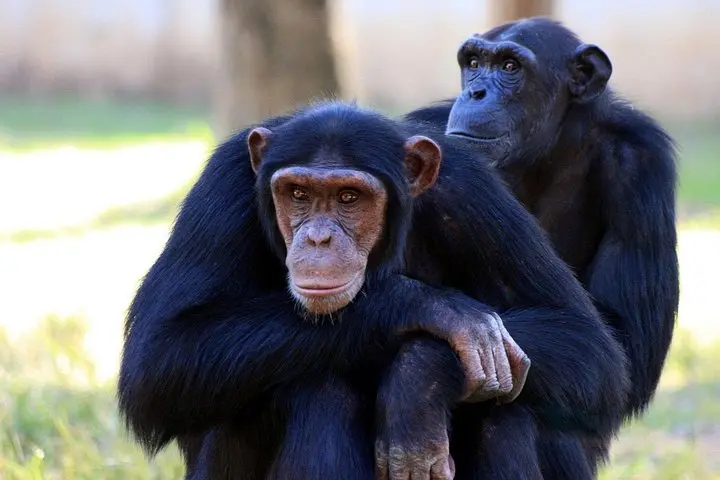
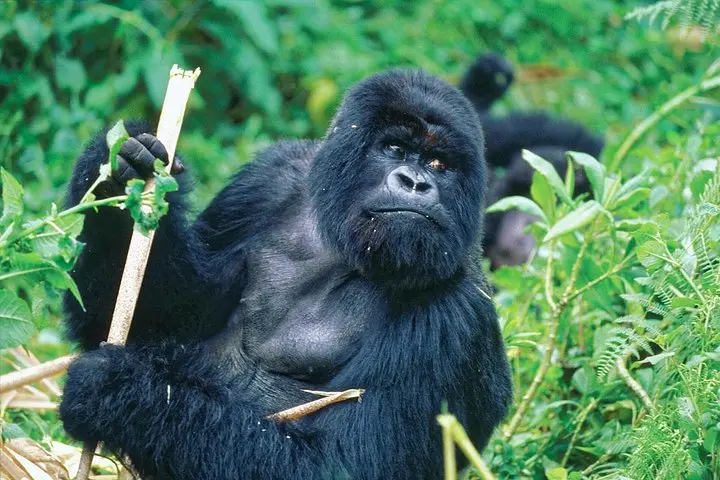
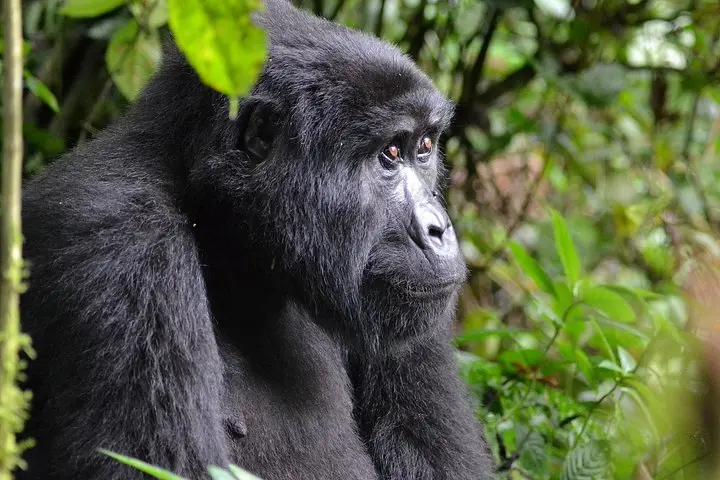
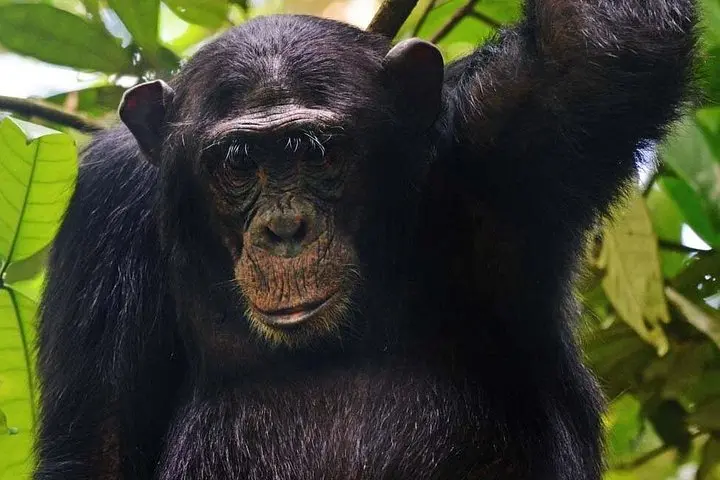
A gray dawn lifts over tea terraces and crater lakes as your driver pushes west from Kampala toward Fort Portal. By late morning you’re stepping into earthy shade—Kibale’s canopy presses close, every branch threaded with the chatter of monkeys and the metallic call of turacos. On day two you join trackers at Kanyanchu, following faint trails where chimpanzees move like shadows; later the route dives into bamboo and moss as you head south to Bwindi, where the forest closes in and a silverback’s stare can stop time.
A gray dawn lifts over tea terraces and crater lakes as your driver pushes west from Kampala toward Fort Portal. By late morning you’re stepping into earthy shade—Kibale’s canopy presses close, every branch threaded with the chatter of monkeys and the metallic call of turacos. On day two you join trackers at Kanyanchu, following faint trails where chimpanzees move like shadows; later the route dives into bamboo and moss as you head south to Bwindi, where the forest closes in and a silverback’s stare can stop time.
This corridor sits on the western edge of the Albertine Rift: volcanic soils, steep ridges and ancient forests that harbor East Africa’s richest primate communities. The Bakiga and Batoro peoples have lived here for generations; community-run projects such as Bigodi Wetland Sanctuary demonstrate how conservation and local livelihoods intersect. The trip balances cultural insight with rugged ecology—Kibale’s mixed-deciduous forests and Bwindi’s montane rainforest tell different geological stories but the same conservation urgency.
Practically: chimp treks typically take 2–3 hours; gorilla treks can last a half to full day and involve steep, muddy slopes and bamboo thickets. Expect long transfers (several hours between parks) and early briefings at park centers. Book gorilla permits months ahead, carry rain gear and sturdy, ankle-supporting boots, and be prepared for humidity, leeches and sudden weather shifts. Respect the 7‑meter viewing rule, follow guides and trackers, and plan rest days after intense treks—this tour is as much about patience and observation as it is about endurance.