THE ADVENTURE COLLECTIVE® · Independent discovery and booking for outdoor travel

Drive into Uganda’s northeastern frontier where wide savannahs, hot springs and Karimojong culture combine for a distinct four-day safari. This itinerary balances long road travel with focused game drives and cultural visits at Apoka Lodge near Narus Valley.
Drive into Uganda’s northeastern frontier where wide savannahs, hot springs and Karimojong culture combine for a distinct four-day safari. This itinerary balances long road travel with focused game drives and cultural visits at Apoka Lodge near Narus Valley.
Dawn breaks over vast, wind-scoured plains as the vehicle rumbles north from Kampala, dust lifting from a road that leads to one of East Africa’s most remote parks. By late afternoon the landscape changes: red soil gives way to high savannah and a skyline punctuated by the jagged silhouette of the Morungole Mountains. In Kidepo, the land moves with its own will—dry riverbeds dare you to cross them and tall grasses push back at your boots during a guided walk.
Verified experiences and guided adventures in the surrounding area.
Operated by Adgentes africa safari · Kaabong, Karamoja
Dawn breaks over vast, wind-scoured plains as the vehicle rumbles north from Kampala, dust lifting from a road that leads to one of East Africa’s most remote parks. By late afternoon the landscape changes: red soil gives way to high savannah and a skyline punctuated by the jagged silhouette of the Morungole Mountains. In Kidepo, the land moves with its own will—dry riverbeds dare you to cross them and tall grasses push back at your boots during a guided walk.
Kidepo Valley National Park was established in the 1950s to protect an unusually intact dry-country ecosystem. Geologically, the park sits in a rift-margin basin with scattered hot springs and dramatic escarpments that offer views across the Narus and Kidepo valleys toward South Sudan. Culturally, the area is home to Karimojong communities; a visit to a Lorokul cultural group reveals traditional homesteads, local crafts, and foods woven into stories of a pastoral life that remains closely tied to the land.
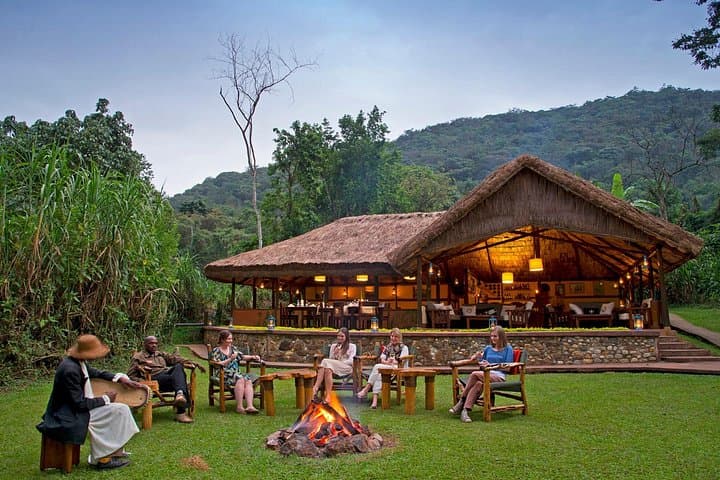
Expect game drives that target elephants, lion prides, buffalo herds and ostriches grazing the plains, plus quieter moments on guided nature walks near waterholes. Accommodation centers around camps and lodges like Apoka Lodge, with long drives between stops—typically an eight-hour road leg to Kitgum and roughly five hours onward to Kidepo.
Practical guidance: schedule early-morning and late-afternoon game drives to avoid midday heat, carry reliable sun protection and 2–3 liters of water per person, and bring binoculars for distant valley views. Roads can be rough — plan for bumpy travel, and let local guides handle navigation and park procedures.
Most itineraries combine an early morning drive to Kitgum (about eight hours) followed by a five-hour drive to Kidepo; scheduled small charter flights are also available to Kidepo's airstrips.
Common sightings include elephant, lion, buffalo, ostrich and various antelope species; sightings depend on season and time of day.
Visitors should have a valid passport; check Uganda’s entry and vaccination requirements (yellow fever vaccine often required) and consult travel health guidance before departure.
The tour notes accessibility for strollers and a generally easy physical level, but long drives and uneven terrain during walks may challenge some travelers—ask about private vehicle options and lodge accessibility.
Adgentes africa safari operates guided outdoor trips and adventures with an emphasis on safety, stewardship, and memorable experiences.

Dawn breaks over vast, wind-scoured plains as the vehicle rumbles north from Kampala, dust lifting from a road that leads to one of East Africa’s most remote parks. By late afternoon the landscape changes: red soil gives way to high savannah and a skyline punctuated by the jagged silhouette of the Morungole Mountains. In Kidepo, the land moves with its own will—dry riverbeds dare you to cross them and tall grasses push back at your boots during a guided walk.
Dawn breaks over vast, wind-scoured plains as the vehicle rumbles north from Kampala, dust lifting from a road that leads to one of East Africa’s most remote parks. By late afternoon the landscape changes: red soil gives way to high savannah and a skyline punctuated by the jagged silhouette of the Morungole Mountains. In Kidepo, the land moves with its own will—dry riverbeds dare you to cross them and tall grasses push back at your boots during a guided walk.
Kidepo Valley National Park was established in the 1950s to protect an unusually intact dry-country ecosystem. Geologically, the park sits in a rift-margin basin with scattered hot springs and dramatic escarpments that offer views across the Narus and Kidepo valleys toward South Sudan. Culturally, the area is home to Karimojong communities; a visit to a Lorokul cultural group reveals traditional homesteads, local crafts, and foods woven into stories of a pastoral life that remains closely tied to the land.
Expect game drives that target elephants, lion prides, buffalo herds and ostriches grazing the plains, plus quieter moments on guided nature walks near waterholes. Accommodation centers around camps and lodges like Apoka Lodge, with long drives between stops—typically an eight-hour road leg to Kitgum and roughly five hours onward to Kidepo.
Practical guidance: schedule early-morning and late-afternoon game drives to avoid midday heat, carry reliable sun protection and 2–3 liters of water per person, and bring binoculars for distant valley views. Roads can be rough — plan for bumpy travel, and let local guides handle navigation and park procedures.