THE ADVENTURE COLLECTIVE® · Independent discovery and booking for outdoor travel

Leave Istanbul’s bustle behind for four days of tracks, tuff and salt. This small-group Konya–Cappadocia loop pairs high-speed rail with cave hotels, valley hikes, and the otherworldly rockwork that defines central Anatolia.
Leave Istanbul’s bustle behind for four days of tracks, tuff and salt. This small-group Konya–Cappadocia loop pairs high-speed rail with cave hotels, valley hikes, and the otherworldly rockwork that defines central Anatolia.
The train eases out of Istanbul at dawn, city lights sliding away as the carriage hums toward the Anatolian plain. By mid-afternoon you step into Konya, where the air smells of baked bread and cumin, and centuries of Silk Road traffic still echo in the narrow streets. Over the next four days the itinerary stretches like a map turned inside out: Neolithic mounds, a salt lake that flashes like a mirror, and Cappadocia’s bruised-pink valleys where rock has been coaxed into chimneys and homes.
Verified experiences and guided adventures in the surrounding area.
Operated by Disgate Tourism Travel Agency, Licance: 13265 · Göreme, Nevşehir
The train eases out of Istanbul at dawn, city lights sliding away as the carriage hums toward the Anatolian plain. By mid-afternoon you step into Konya, where the air smells of baked bread and cumin, and centuries of Silk Road traffic still echo in the narrow streets. Over the next four days the itinerary stretches like a map turned inside out: Neolithic mounds, a salt lake that flashes like a mirror, and Cappadocia’s bruised-pink valleys where rock has been coaxed into chimneys and homes.
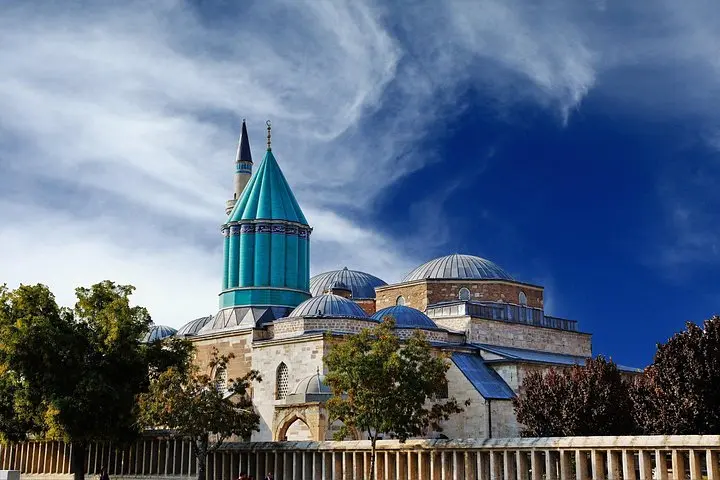
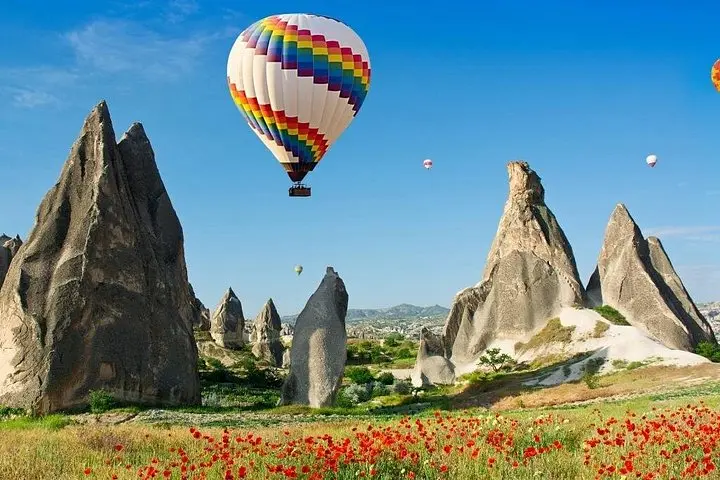
Cappadocia’s landscape reads as geology in motion. Volcanic ash compacted into soft tuff millions of years ago, then wind and water carved it into cones and spires—fairy chimneys that dare you to measure them with your shadow. Human hands followed soon after, hollowing churches, dwellings, and entire subterranean cities into that forgiving stone. Konya, by contrast, is a city of faith and Seljuk timber—its role as a spiritual center culminates in the Mevlâna legacy and the slow, deliberate whirl of dervishes. On this tour, guides thread these stories together: Catalhoyuk’s Neolithic walls, Selime’s monastery chambers, and the practical history behind etli ekmek, Konya’s flatbread specialty.
The trip balances big-picture wonder with close-up rhythms. The Melendiz River tugs hikers through Ihlara Valley, while Tuz Gölü (Salt Lake) flattens the horizon so the sky looks endless; on calm afternoons the lake becomes a shallow sheet of glass where flamingos sometimes pause. Small-group logistics—the tour caps shared groups—mean you move efficiently between points, bunking in cave hotels around Üçhisar and returning by a high-speed train or optional flight.
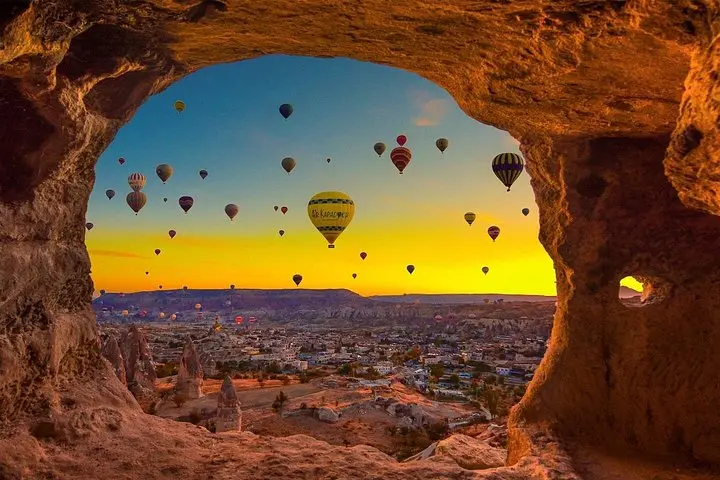
Practical edge: trains and transfers shape the day. Expect multiple brief hikes of one to three hours on uneven volcanic terrain; good ankle support matters. Temperatures swing: mornings on viewpoints can be frosty, midday in the valley warm. Carry water, layers, and a headlamp for dim church interiors. Hot-air balloons hover in the background of most photos but are not included; book separately if you want to rise above the chimneys at sunrise. Allow time for reflective stops at Tuz Gölü—late afternoon offers the best light and fewer winds.
This tour is best for travelers who want geological spectacle and cultural depth without hardcore scrambling. With semi-private transport, local guides, and high-speed rail options included, it’s a compact, practical way to turn Istanbul into Cappadocia and back in four days—leaving you with rock-cut rooms, salt-plain horizons, and a clearer sense of Anatolia’s soft-stone history.
Pickup is arranged from Istanbul hotels; the tour includes either high-speed train tickets or a flight option—confirm your preference when booking.
No, balloon flights are not included. They run at sunrise and are best booked in advance through a specialist operator.
Some sites like Derinkuyu and Uçhisar castle note separate local entrance fees; the itinerary lists which attractions require an additional fee.
Expect light-to-moderate hikes (1–4 hours) on uneven terrain; most walks follow valley floors and short climbs to viewpoints.
Breakfast and four lunches are included; typical meals feature local dishes such as etli ekmek and set lunches at cave restaurants.
Yes—bookers can submit special dietary requirements in advance and guides will arrange appropriate meals where possible.
Disgate Tourism Travel Agency, Licance: 13265 operates guided outdoor trips and adventures with an emphasis on safety, stewardship, and memorable experiences.
The train eases out of Istanbul at dawn, city lights sliding away as the carriage hums toward the Anatolian plain. By mid-afternoon you step into Konya, where the air smells of baked bread and cumin, and centuries of Silk Road traffic still echo in the narrow streets. Over the next four days the itinerary stretches like a map turned inside out: Neolithic mounds, a salt lake that flashes like a mirror, and Cappadocia’s bruised-pink valleys where rock has been coaxed into chimneys and homes.
The train eases out of Istanbul at dawn, city lights sliding away as the carriage hums toward the Anatolian plain. By mid-afternoon you step into Konya, where the air smells of baked bread and cumin, and centuries of Silk Road traffic still echo in the narrow streets. Over the next four days the itinerary stretches like a map turned inside out: Neolithic mounds, a salt lake that flashes like a mirror, and Cappadocia’s bruised-pink valleys where rock has been coaxed into chimneys and homes.
Cappadocia’s landscape reads as geology in motion. Volcanic ash compacted into soft tuff millions of years ago, then wind and water carved it into cones and spires—fairy chimneys that dare you to measure them with your shadow. Human hands followed soon after, hollowing churches, dwellings, and entire subterranean cities into that forgiving stone. Konya, by contrast, is a city of faith and Seljuk timber—its role as a spiritual center culminates in the Mevlâna legacy and the slow, deliberate whirl of dervishes. On this tour, guides thread these stories together: Catalhoyuk’s Neolithic walls, Selime’s monastery chambers, and the practical history behind etli ekmek, Konya’s flatbread specialty.
The trip balances big-picture wonder with close-up rhythms. The Melendiz River tugs hikers through Ihlara Valley, while Tuz Gölü (Salt Lake) flattens the horizon so the sky looks endless; on calm afternoons the lake becomes a shallow sheet of glass where flamingos sometimes pause. Small-group logistics—the tour caps shared groups—mean you move efficiently between points, bunking in cave hotels around Üçhisar and returning by a high-speed train or optional flight.
Practical edge: trains and transfers shape the day. Expect multiple brief hikes of one to three hours on uneven volcanic terrain; good ankle support matters. Temperatures swing: mornings on viewpoints can be frosty, midday in the valley warm. Carry water, layers, and a headlamp for dim church interiors. Hot-air balloons hover in the background of most photos but are not included; book separately if you want to rise above the chimneys at sunrise. Allow time for reflective stops at Tuz Gölü—late afternoon offers the best light and fewer winds.
This tour is best for travelers who want geological spectacle and cultural depth without hardcore scrambling. With semi-private transport, local guides, and high-speed rail options included, it’s a compact, practical way to turn Istanbul into Cappadocia and back in four days—leaving you with rock-cut rooms, salt-plain horizons, and a clearer sense of Anatolia’s soft-stone history.