THE ADVENTURE COLLECTIVE® · Independent discovery and booking for outdoor travel

Four days in Krakow compress centuries of history, underground wonder and mountain escapes into a single itinerary. From a city electric-car tour to Wieliczka’s salt halls and a choice of mountain or river day trips, this plan balances cultural depth with outdoor options.
Four days in Krakow compress centuries of history, underground wonder and mountain escapes into a single itinerary. From a city electric-car tour to Wieliczka’s salt halls and a choice of mountain or river day trips, this plan balances cultural depth with outdoor options.
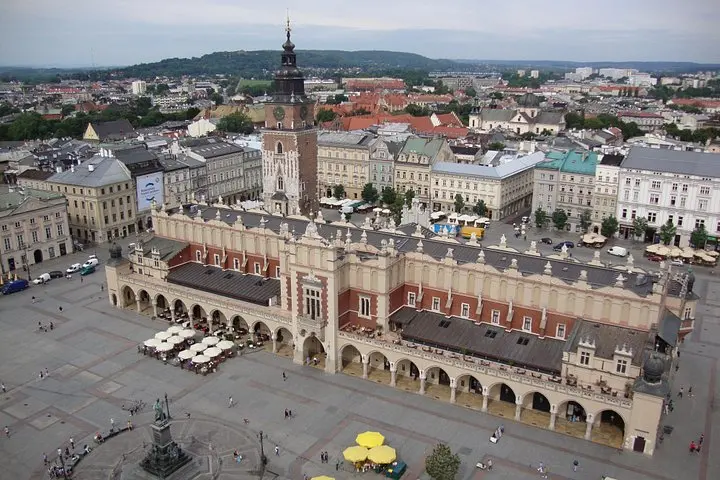
The first morning in Krakow opens under a pewter sky as the electric car tucks through Planty Park and the spires of St. Mary’s Church slide into view. Cobblestones click beneath the wheels; the city smells faintly of roasted coffee and damp stone. Over four days the rhythm shifts from city buzz to subterranean silence and then to mountain air, giving travelers a compact portrait of southern Poland.
Verified experiences and guided adventures in the surrounding area.
Operated by Poland Active · Krakow, Lesser Poland Voivodeship
The first morning in Krakow opens under a pewter sky as the electric car tucks through Planty Park and the spires of St. Mary’s Church slide into view. Cobblestones click beneath the wheels; the city smells faintly of roasted coffee and damp stone. Over four days the rhythm shifts from city buzz to subterranean silence and then to mountain air, giving travelers a compact portrait of southern Poland.
Krakow was Poland’s royal capital for centuries, its Old Town framed by medieval walls and Renaissance façades. Geologically nearby, the Wieliczka Salt Mine descends into chambers carved from halite, a reminder that the region’s underground shaped its economy and culture for 700+ years. The Auschwitz–Birkenau complex, 50 km west, is a solemn landscape of memory and history requiring respectful attention.
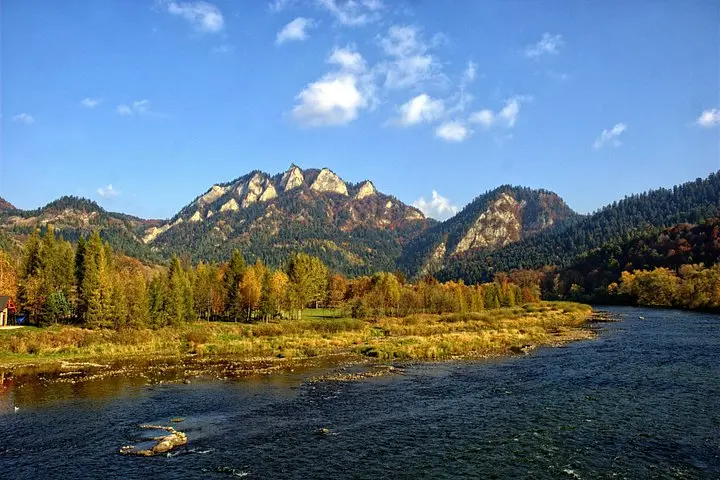
Culturally, expect Catholic heritage, highland Gorale traditions in Zakopane, and wooden church architecture scattered across the countryside. Nature isn’t far away: the Dunajec River and the Pieniny Gorges offer limestone cliffs that seem to dare you to look over the edge.
Practical guidance: pack low-profile footwear for cobbles and mine stairs, a light rain layer, and a daypack for transfers that can run long. Allow a full day for the Auschwitz–Birkenau and Wieliczka combination—transport plus guided hours makes for an 11–12 hour outing. Reserve the third-day choice early (Zakopane, Dunajec rafting, Ojców, or the Eagles’ Nests) to match your tolerance for hiking, altitude, or river exposure. Bring ID for museum entry, comfortable layers for underground temperatures, and respect local rules at memorial sites. With modest fitness and sensible planning, these four days deliver a layered, tangible sense of Krakow and its landscapes.
Yes: the itinerary includes transfers between Balice Airport or Main Station and the city-center apartment.
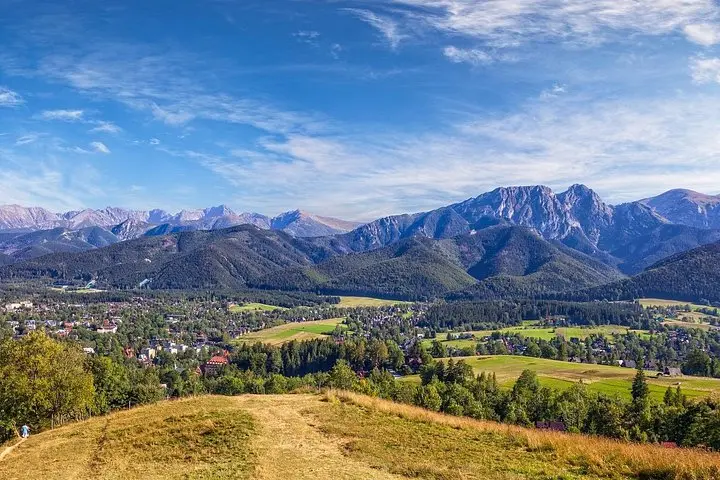
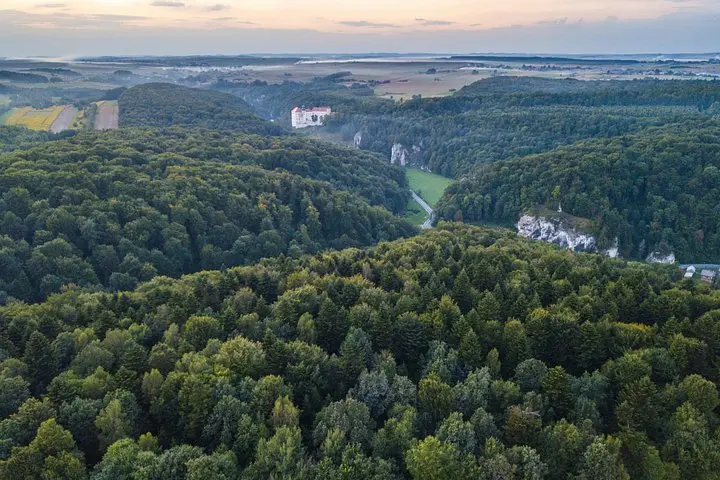
Yes: on day three you select one guided excursion—options include Zakopane, Dunajec rafting, wooden villages, Eagles’ Nests, or cultural tours.
Expect an 11–12 hour day including hotel pickup, guided tours at both sites, and transfers between locations.
The operator states the tour is suitable for all fitness levels, but Wieliczka and Auschwitz involve stairs and standing during guided segments—check accessibility needs in advance.
Poland Active operates guided outdoor trips and adventures with an emphasis on safety, stewardship, and memorable experiences.
The first morning in Krakow opens under a pewter sky as the electric car tucks through Planty Park and the spires of St. Mary’s Church slide into view. Cobblestones click beneath the wheels; the city smells faintly of roasted coffee and damp stone. Over four days the rhythm shifts from city buzz to subterranean silence and then to mountain air, giving travelers a compact portrait of southern Poland.
The first morning in Krakow opens under a pewter sky as the electric car tucks through Planty Park and the spires of St. Mary’s Church slide into view. Cobblestones click beneath the wheels; the city smells faintly of roasted coffee and damp stone. Over four days the rhythm shifts from city buzz to subterranean silence and then to mountain air, giving travelers a compact portrait of southern Poland.
Krakow was Poland’s royal capital for centuries, its Old Town framed by medieval walls and Renaissance façades. Geologically nearby, the Wieliczka Salt Mine descends into chambers carved from halite, a reminder that the region’s underground shaped its economy and culture for 700+ years. The Auschwitz–Birkenau complex, 50 km west, is a solemn landscape of memory and history requiring respectful attention.
Culturally, expect Catholic heritage, highland Gorale traditions in Zakopane, and wooden church architecture scattered across the countryside. Nature isn’t far away: the Dunajec River and the Pieniny Gorges offer limestone cliffs that seem to dare you to look over the edge.
Practical guidance: pack low-profile footwear for cobbles and mine stairs, a light rain layer, and a daypack for transfers that can run long. Allow a full day for the Auschwitz–Birkenau and Wieliczka combination—transport plus guided hours makes for an 11–12 hour outing. Reserve the third-day choice early (Zakopane, Dunajec rafting, Ojców, or the Eagles’ Nests) to match your tolerance for hiking, altitude, or river exposure. Bring ID for museum entry, comfortable layers for underground temperatures, and respect local rules at memorial sites. With modest fitness and sensible planning, these four days deliver a layered, tangible sense of Krakow and its landscapes.