THE ADVENTURE COLLECTIVE® · Independent discovery and booking for outdoor travel

Four days of open‑vehicle safaris and escarpment vistas: chase sunrise predators in Kruger, then trade the flat plains for the vertiginous views of the Panorama Route. Practical timing, wildlife odds and photo vantage points to plan the trip.
Four days of open‑vehicle safaris and escarpment vistas: chase sunrise predators in Kruger, then trade the flat plains for the vertiginous views of the Panorama Route. Practical timing, wildlife odds and photo vantage points to plan the trip.
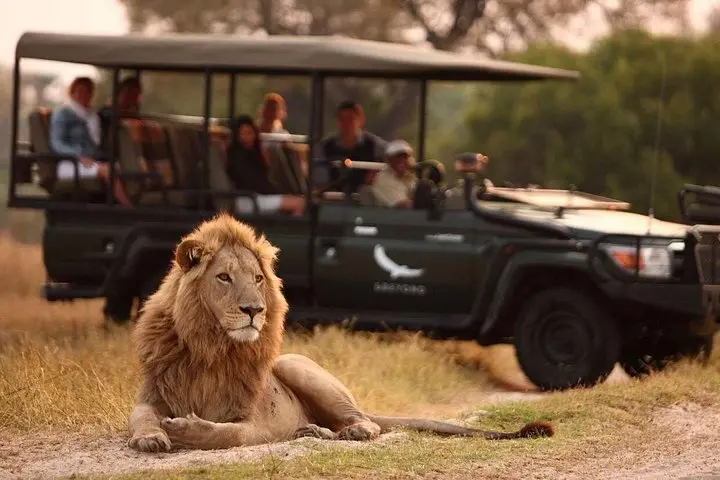
The sun drops low over the mopane and acacia as the open 4x4 nudges through long grass; dust fogs the wake like a memory. On day one the light turns the bush gold and the first silhouettes—elephant trunks lifted, a lone kudu—step into view. That first sunset drive in Kruger sets the tone: slow, exacting, alive.
Verified experiences and guided adventures in the surrounding area.
Operated by Africa Sun Safaris · Hazyview, Mpumalanga
The sun drops low over the mopane and acacia as the open 4x4 nudges through long grass; dust fogs the wake like a memory. On day one the light turns the bush gold and the first silhouettes—elephant trunks lifted, a lone kudu—step into view. That first sunset drive in Kruger sets the tone: slow, exacting, alive.
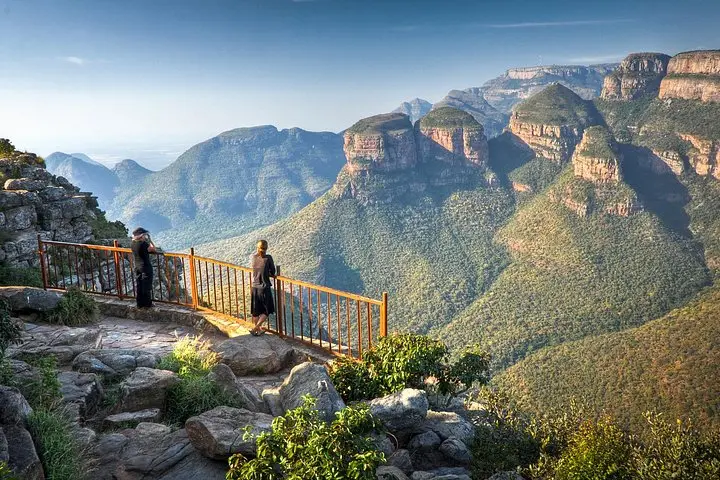
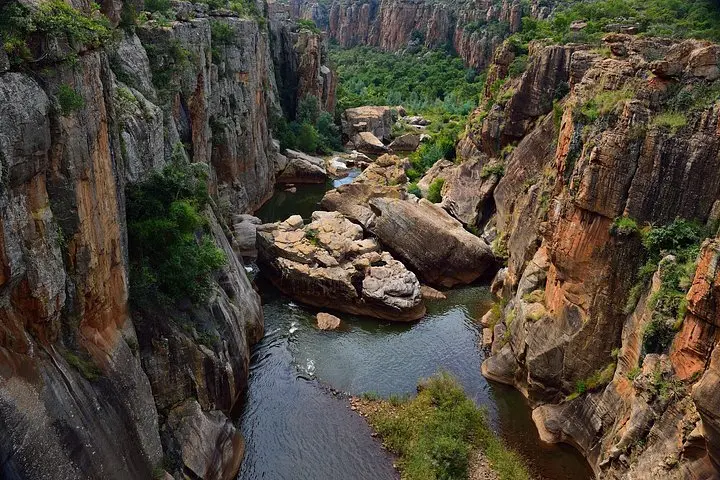
This four-day loop stitches two of Mpumalanga’s headline landscapes together: the wildlife-rich plains of Kruger National Park and the high drama of the Panorama Route. Kruger is one of Africa’s largest game reserves, its mosaic of savanna, riverine forest and granite outcrops shaped by millions of years of geology and human history. The Blyde River Canyon, by contrast, is vertical: cliffs that plunge more than 700 meters to the Lowveld, carved by the rivers that dare the rock—most artfully at Bourke’s Luck Potholes, where centuries of swirling water have bored cylindrical caverns into the bedrock.
Cultural notes ride alongside natural history. The name Blyde—Dutch for “joy”—comes from Voortrekker explorers; Graskop and Hazyview were later waystations that opened the escarpment to tourism. Lisbon Falls tumbles some 94 meters into a fern-lined gorge, while the Three Rondavels, rounded quartzite shoulders, stand like watchful hut-forms on the canyon rim.
Practical travel in this region is mostly logistics and timing. Expect roughly five hours of road between Johannesburg and southern Kruger on day one; the operator collects in a 50 km radius of Johannesburg. Day two is a full-day open-vehicle game drive—departing around 05:30 in summer (06:00 in winter) and returning mid-afternoon—with a strong chance of seeing the Big Five; the operator notes about an 80% success rate on a single game drive. Panorama stops on day three include God’s Window, Bourke’s Luck Potholes, Lisbon Falls and the Three Rondavels; most viewpoints require short, paved walks and simple viewing platforms rather than long hikes.
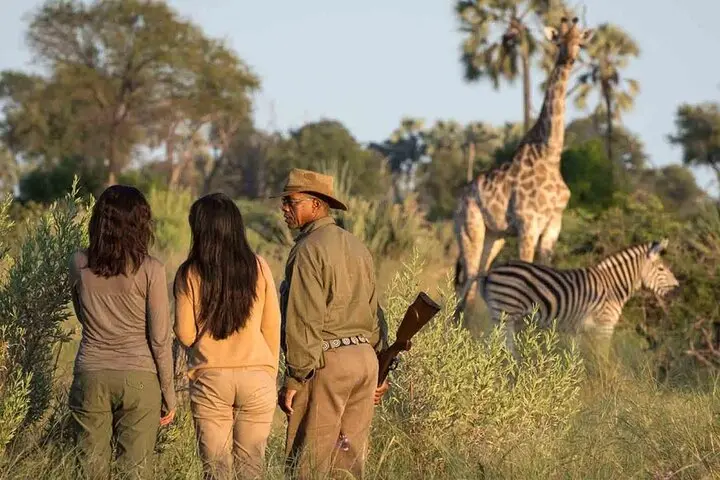
Pack for long stretches outdoors: layered clothing for cool mornings and hot afternoons, sun protection, insect repellent, and a compact daypack with water and camera gear. Binoculars reward patience on game drives. Respect park rules—stay with your guide, keep noise low and never approach wildlife on foot.
For photographers and wildlife seekers the rhythm matters: dawn and dusk are decisive. For planners the hard facts are simple—four days, three nights (lodging on full board), long drives between highlights, and guided open 4x4 safaris that put you close to the bush without sacrificing safety. When the night unfurls and the safari lights reveal a pair of eyes, it’s clear why travelers return: Kruger offers encounters that are immediate, unscripted and, more often than not, unforgettable.
No—guides lead all drives and provide safety briefings; basic mobility for short walks and getting in/out of vehicles is sufficient.
Parts of Kruger are in a malaria zone—consult your doctor about prophylaxis and use insect repellent and nets where advised.
The operator notes vegetarian meals are available; request special diets at booking but expect limited variety in remote lodges.
Road travel to southern Kruger is about five hours with a lunch stop; pickups are offered within a 50 km radius of Johannesburg.
Admissions are listed as included for the itinerary’s game drives and Panorama stops—confirm at booking if park gate fees or conservation levies are covered.
Full refund if you cancel at least 24 hours before departure; no refund within 24 hours of the tour time.
Africa Sun Safaris operates guided outdoor trips and adventures with an emphasis on safety, stewardship, and memorable experiences.
The sun drops low over the mopane and acacia as the open 4x4 nudges through long grass; dust fogs the wake like a memory. On day one the light turns the bush gold and the first silhouettes—elephant trunks lifted, a lone kudu—step into view. That first sunset drive in Kruger sets the tone: slow, exacting, alive.
The sun drops low over the mopane and acacia as the open 4x4 nudges through long grass; dust fogs the wake like a memory. On day one the light turns the bush gold and the first silhouettes—elephant trunks lifted, a lone kudu—step into view. That first sunset drive in Kruger sets the tone: slow, exacting, alive.
This four-day loop stitches two of Mpumalanga’s headline landscapes together: the wildlife-rich plains of Kruger National Park and the high drama of the Panorama Route. Kruger is one of Africa’s largest game reserves, its mosaic of savanna, riverine forest and granite outcrops shaped by millions of years of geology and human history. The Blyde River Canyon, by contrast, is vertical: cliffs that plunge more than 700 meters to the Lowveld, carved by the rivers that dare the rock—most artfully at Bourke’s Luck Potholes, where centuries of swirling water have bored cylindrical caverns into the bedrock.
Cultural notes ride alongside natural history. The name Blyde—Dutch for “joy”—comes from Voortrekker explorers; Graskop and Hazyview were later waystations that opened the escarpment to tourism. Lisbon Falls tumbles some 94 meters into a fern-lined gorge, while the Three Rondavels, rounded quartzite shoulders, stand like watchful hut-forms on the canyon rim.
Practical travel in this region is mostly logistics and timing. Expect roughly five hours of road between Johannesburg and southern Kruger on day one; the operator collects in a 50 km radius of Johannesburg. Day two is a full-day open-vehicle game drive—departing around 05:30 in summer (06:00 in winter) and returning mid-afternoon—with a strong chance of seeing the Big Five; the operator notes about an 80% success rate on a single game drive. Panorama stops on day three include God’s Window, Bourke’s Luck Potholes, Lisbon Falls and the Three Rondavels; most viewpoints require short, paved walks and simple viewing platforms rather than long hikes.
Pack for long stretches outdoors: layered clothing for cool mornings and hot afternoons, sun protection, insect repellent, and a compact daypack with water and camera gear. Binoculars reward patience on game drives. Respect park rules—stay with your guide, keep noise low and never approach wildlife on foot.
For photographers and wildlife seekers the rhythm matters: dawn and dusk are decisive. For planners the hard facts are simple—four days, three nights (lodging on full board), long drives between highlights, and guided open 4x4 safaris that put you close to the bush without sacrificing safety. When the night unfurls and the safari lights reveal a pair of eyes, it’s clear why travelers return: Kruger offers encounters that are immediate, unscripted and, more often than not, unforgettable.