THE ADVENTURE COLLECTIVE® · Independent discovery and booking for outdoor travel

Head east from Johannesburg for four days of open-vehicle game drives, misty escarpment lookouts and dramatic waterfalls. This small-group loop pairs Kruger’s Big Five encounters with the Panorama Route’s geological highlights—God’s Window, Bourke’s Luck Potholes, the Three Rondavels and Lisbon Falls.
Head east from Johannesburg for four days of open-vehicle game drives, misty escarpment lookouts and dramatic waterfalls. This small-group loop pairs Kruger’s Big Five encounters with the Panorama Route’s geological highlights—God’s Window, Bourke’s Luck Potholes, the Three Rondavels and Lisbon Falls.
The day begins as the road thins and the city gives way to scrub and blue hills. By the time the sun leans low, the group climbs into an open safari vehicle and the bush exhales—long grasses ripple, a distant elephant silhouette blots the horizon, and a guide points without haste as a lion pauses beneath an acacia.
Verified experiences and guided adventures in the surrounding area.
Operated by African Cape Safaris · Skukuza, Mpumalanga
The day begins as the road thins and the city gives way to scrub and blue hills. By the time the sun leans low, the group climbs into an open safari vehicle and the bush exhales—long grasses ripple, a distant elephant silhouette blots the horizon, and a guide points without haste as a lion pauses beneath an acacia.
This four-day circuit from Johannesburg stitches two of Mpumalanga’s finest acts: dawn-to-dusk game drives in Kruger National Park and the cliff-edged panoramas of the Panorama Route. Kruger’s mosaic of savannah, riverine forest and mopane scrub hosts the Big Five, while the escarpment above the Lowveld sends vantage after vantage toward distant heat and river-cut gorges.
The land here remembers long histories: the area that became Kruger began protection as a reserve more than a century ago and was proclaimed a national park in the 1920s as South Africa formalized its conservation efforts. The Panorama Route sits on the eastern edge of the Drakensberg escarpment; its dramatic cliffs and the Blyde River Canyon are the result of tectonic uplift and relentless erosion. Bourke’s Luck Potholes are a geological scrapbook—river vortices carving cylindrical pools through bi-layered rock—while names like Lisbon Falls echo the region’s colonial and settler pasts.
Culturally, Mpumalanga is home to Shangaan and Swazi communities whose languages and crafts still color small towns and market stalls. A stop in Graskop or a roadside stall along the route offers coffee, freshly baked buns and woven curios—good places to take the pulse of local life.
Practically, expect long but scenic driving days: Johannesburg to Kruger is roughly 4.5–6 hours depending on traffic, followed by short hops along the Panorama Route. Safaris run at prime wildlife hours—early morning and late afternoon—so pack layers for chilly dawns and sunscreen for hot middays. Binoculars, a telephoto lens, and a field guide deliver the best payoff; a sturdy pair of shoes will be useful for short lookouts and boardwalks at potholes and falls.
The operator provides lodge accommodation, breakfasts and guided game drives, and pickup across Johannesburg (50km radius options). Vehicles and some pathways are wheelchair accessible, but call ahead about specific needs. Keep expectations flexible—wildlife sightings follow animal rhythms, not itineraries. With a little patience and the right kit, this four-day loop rewards travelers with close-up wildlife drama, highland vistas that dare you to look farther, and a compact, layered portrait of Mpumalanga’s wild and human stories.
The transfer is roughly 350–450 km depending on the route and pickup point, typically a 4.5–6 hour drive.
Guided drives maximize opportunities, especially on full-day safaris, but sightings can’t be guaranteed—animal movements are natural and variable.
Admissions for scheduled safaris in Kruger are included in the tour package; check your booking confirmation for details.
The operator lists wheelchair accessibility for transport and many surfaces; confirm specific needs at booking so arrangements can be made.
The dry winter months (May–September) concentrate wildlife at water sources and generally deliver clearer viewing conditions.
Neutral-colored, breathable layers, a hat, sturdy shoes for short walks, and a windproof jacket for cool mornings are recommended.
African Cape Safaris operates guided outdoor trips and adventures with an emphasis on safety, stewardship, and memorable experiences.
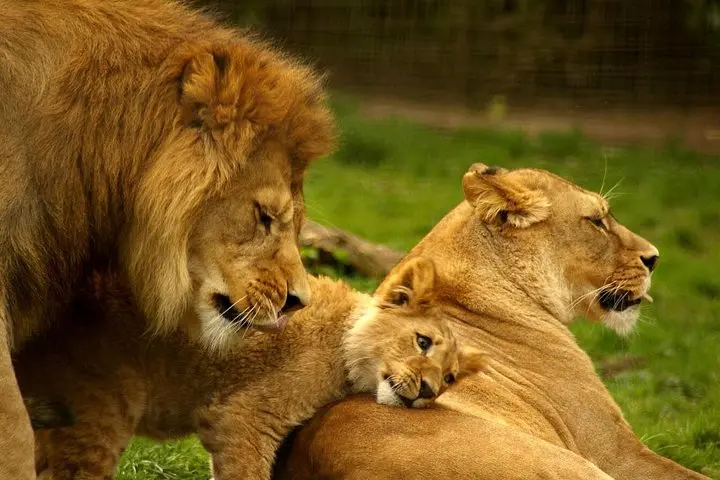
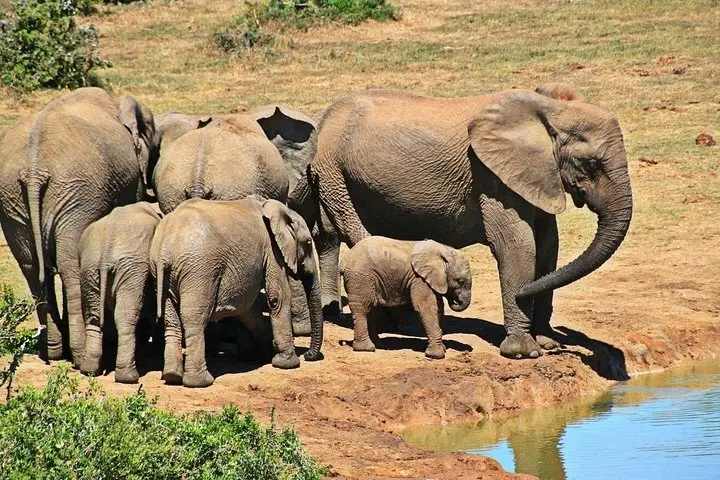
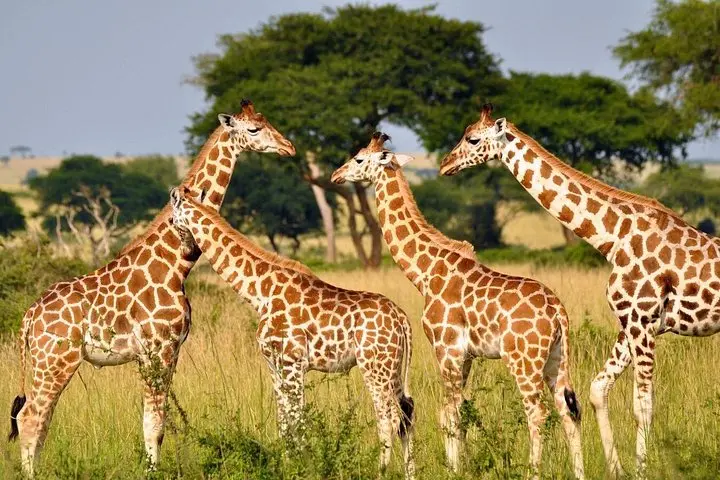
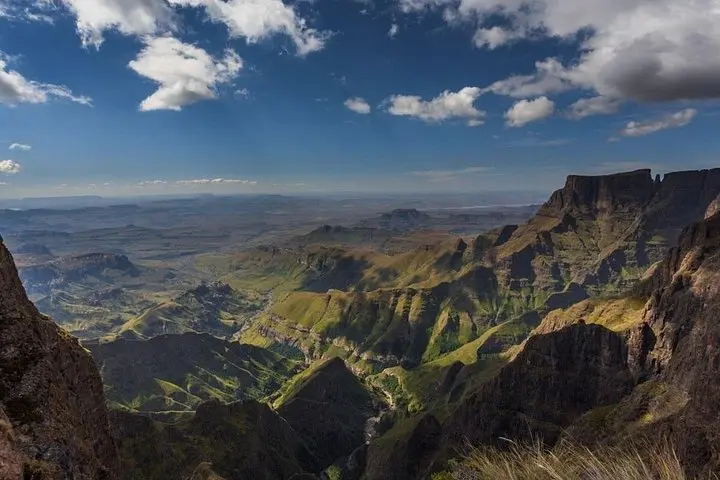
The day begins as the road thins and the city gives way to scrub and blue hills. By the time the sun leans low, the group climbs into an open safari vehicle and the bush exhales—long grasses ripple, a distant elephant silhouette blots the horizon, and a guide points without haste as a lion pauses beneath an acacia.
The day begins as the road thins and the city gives way to scrub and blue hills. By the time the sun leans low, the group climbs into an open safari vehicle and the bush exhales—long grasses ripple, a distant elephant silhouette blots the horizon, and a guide points without haste as a lion pauses beneath an acacia.
This four-day circuit from Johannesburg stitches two of Mpumalanga’s finest acts: dawn-to-dusk game drives in Kruger National Park and the cliff-edged panoramas of the Panorama Route. Kruger’s mosaic of savannah, riverine forest and mopane scrub hosts the Big Five, while the escarpment above the Lowveld sends vantage after vantage toward distant heat and river-cut gorges.
The land here remembers long histories: the area that became Kruger began protection as a reserve more than a century ago and was proclaimed a national park in the 1920s as South Africa formalized its conservation efforts. The Panorama Route sits on the eastern edge of the Drakensberg escarpment; its dramatic cliffs and the Blyde River Canyon are the result of tectonic uplift and relentless erosion. Bourke’s Luck Potholes are a geological scrapbook—river vortices carving cylindrical pools through bi-layered rock—while names like Lisbon Falls echo the region’s colonial and settler pasts.
Culturally, Mpumalanga is home to Shangaan and Swazi communities whose languages and crafts still color small towns and market stalls. A stop in Graskop or a roadside stall along the route offers coffee, freshly baked buns and woven curios—good places to take the pulse of local life.
Practically, expect long but scenic driving days: Johannesburg to Kruger is roughly 4.5–6 hours depending on traffic, followed by short hops along the Panorama Route. Safaris run at prime wildlife hours—early morning and late afternoon—so pack layers for chilly dawns and sunscreen for hot middays. Binoculars, a telephoto lens, and a field guide deliver the best payoff; a sturdy pair of shoes will be useful for short lookouts and boardwalks at potholes and falls.
The operator provides lodge accommodation, breakfasts and guided game drives, and pickup across Johannesburg (50km radius options). Vehicles and some pathways are wheelchair accessible, but call ahead about specific needs. Keep expectations flexible—wildlife sightings follow animal rhythms, not itineraries. With a little patience and the right kit, this four-day loop rewards travelers with close-up wildlife drama, highland vistas that dare you to look farther, and a compact, layered portrait of Mpumalanga’s wild and human stories.