THE ADVENTURE COLLECTIVE® · Independent discovery and booking for outdoor travel

Four days of dawn and dusk game drives in Kruger combined with the panoramic highlights of Mpumalanga. Expect close wildlife encounters, dramatic escarpment views, and practical tips for timing, gear, and etiquette.
Four days of dawn and dusk game drives in Kruger combined with the panoramic highlights of Mpumalanga. Expect close wildlife encounters, dramatic escarpment views, and practical tips for timing, gear, and etiquette.
Late-afternoon dust lifts off the dirt road as the open vehicle eases into Kruger’s light—acacia silhouettes etch the skyline and the air carries distant trumpets and low rumbles. The first night’s sunset game drive frames your introduction: predators stir, herds edge toward water, and the veld breathes around you.
Verified experiences and guided adventures in the surrounding area.
Operated by African Tournet Safaris · Hazyview, Mpumalanga
Late-afternoon dust lifts off the dirt road as the open vehicle eases into Kruger’s light—acacia silhouettes etch the skyline and the air carries distant trumpets and low rumbles. The first night’s sunset game drive frames your introduction: predators stir, herds edge toward water, and the veld breathes around you.
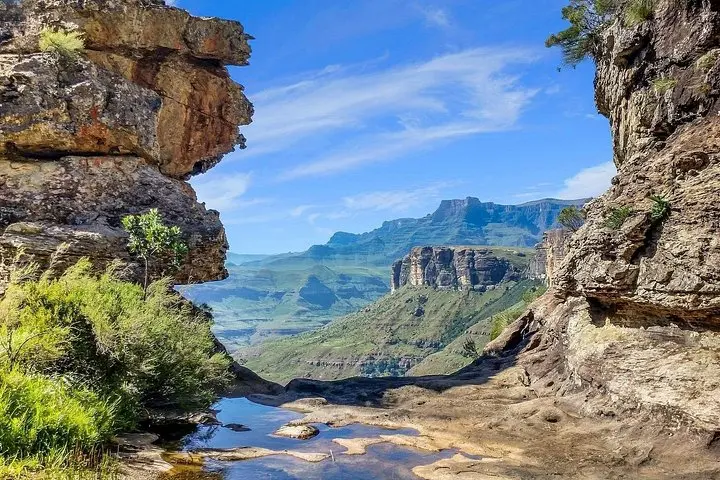
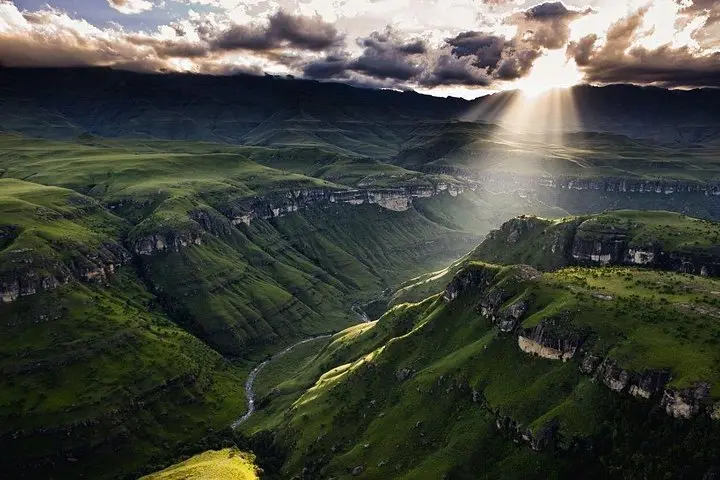
Kruger National Park, formally established in 1898, covers varied terrain from granite plains to mopane woodlands. This four-day itinerary pairs game drives with the Panorama Route in Mpumalanga: God’s Window on the Drakensberg escarpment, river-carved Bourke’s Luck Potholes, the Three Rondavels, and Lisbon Falls. These sites reveal the region's geology—ancient bedrock meeting steep escarpments and fast-flowing rivers that sculpt deep canyons.
Local culture and mining history linger in small towns en route; Tsonga and Swazi communities and old gold-rush settlements shape the corridor you travel. Rivers dare you closer at viewpoints; waterfalls push forward in foamy sheets; canyon rims invite a long, quiet pause.
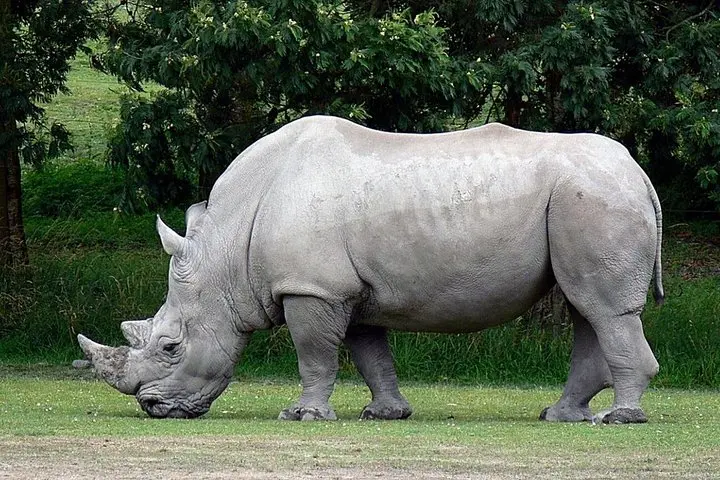
Practically: expect early starts, long stretches of road, and game drives at dawn and dusk when sightings spike. Pack layered clothing for cool mornings and hot afternoons, binoculars and a telephoto lens, reusable water bottle, sun protection, and insect repellent. Book park entry and confirm lodge or rest camp details in advance. Stay with your guide, keep noise low, and never leave vehicles in non-designated areas. Accessibility at main rest camps and overlooks is generally reasonable, but some viewpoints have steep paths and steps. The Big Five are possible but never guaranteed—patience and quiet observation are the best tools for reward.
No—sightings depend on wildlife movement and conditions; guides maximize opportunities but cannot guarantee specific animals.
Confirm with the operator—most multi-day packages include park permits and guided drives, but verify when booking.
Yes—it’s described as suitable for all fitness levels; however, expect early starts and long vehicle time, so discuss specific needs when booking.
Check current health and visa requirements well before travel—vaccination recommendations can change and visas depend on nationality.
African Tournet Safaris operates guided outdoor trips and adventures with an emphasis on safety, stewardship, and memorable experiences.
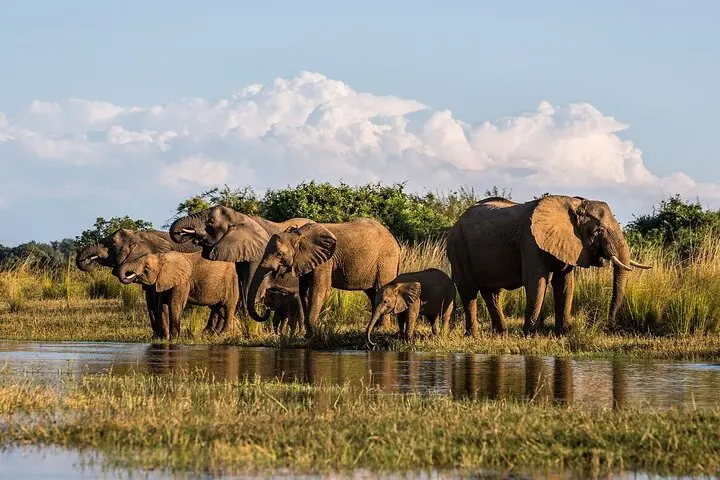
Late-afternoon dust lifts off the dirt road as the open vehicle eases into Kruger’s light—acacia silhouettes etch the skyline and the air carries distant trumpets and low rumbles. The first night’s sunset game drive frames your introduction: predators stir, herds edge toward water, and the veld breathes around you.
Late-afternoon dust lifts off the dirt road as the open vehicle eases into Kruger’s light—acacia silhouettes etch the skyline and the air carries distant trumpets and low rumbles. The first night’s sunset game drive frames your introduction: predators stir, herds edge toward water, and the veld breathes around you.
Kruger National Park, formally established in 1898, covers varied terrain from granite plains to mopane woodlands. This four-day itinerary pairs game drives with the Panorama Route in Mpumalanga: God’s Window on the Drakensberg escarpment, river-carved Bourke’s Luck Potholes, the Three Rondavels, and Lisbon Falls. These sites reveal the region's geology—ancient bedrock meeting steep escarpments and fast-flowing rivers that sculpt deep canyons.
Local culture and mining history linger in small towns en route; Tsonga and Swazi communities and old gold-rush settlements shape the corridor you travel. Rivers dare you closer at viewpoints; waterfalls push forward in foamy sheets; canyon rims invite a long, quiet pause.
Practically: expect early starts, long stretches of road, and game drives at dawn and dusk when sightings spike. Pack layered clothing for cool mornings and hot afternoons, binoculars and a telephoto lens, reusable water bottle, sun protection, and insect repellent. Book park entry and confirm lodge or rest camp details in advance. Stay with your guide, keep noise low, and never leave vehicles in non-designated areas. Accessibility at main rest camps and overlooks is generally reasonable, but some viewpoints have steep paths and steps. The Big Five are possible but never guaranteed—patience and quiet observation are the best tools for reward.