THE ADVENTURE COLLECTIVE® · Independent discovery and booking for outdoor travel

Three nights inside Greater Kruger, a sunset open‑vehicle drive, a full day searching for the Big Five, a Moholoholo conservation visit and a Blyde River Canyon boat cruise—this four‑day loop pairs classic game viewing with hands‑on conservation context.
Three nights inside Greater Kruger, a sunset open‑vehicle drive, a full day searching for the Big Five, a Moholoholo conservation visit and a Blyde River Canyon boat cruise—this four‑day loop pairs classic game viewing with hands‑on conservation context.
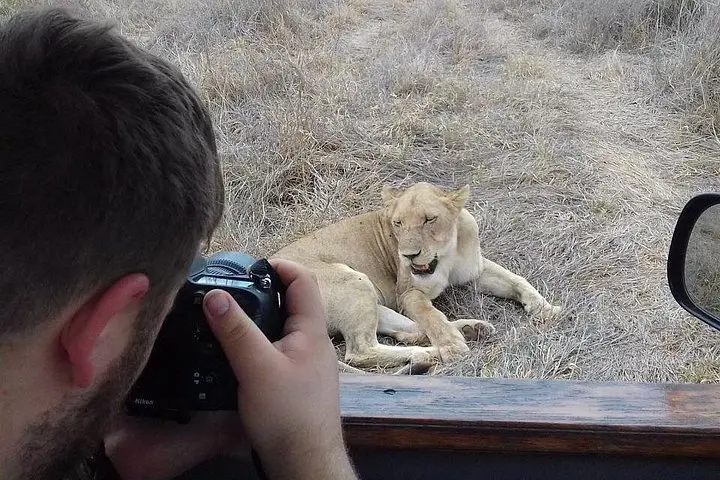
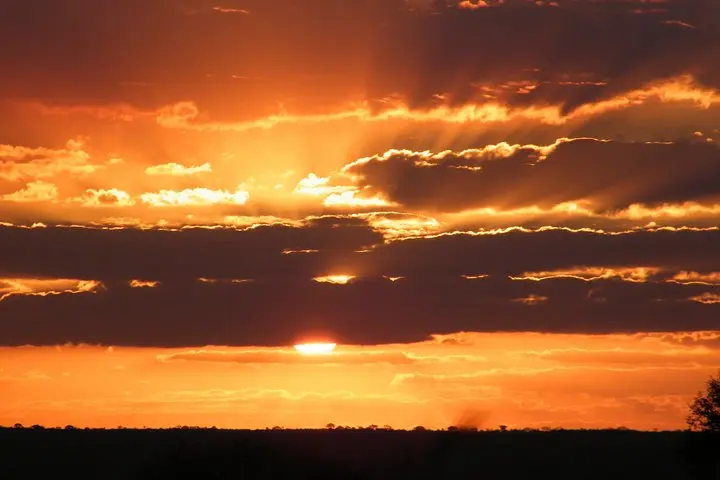
The first time the open safari vehicle crested a rise at dusk the scrub fell away and the lowveld opened like a stage. A pair of impala froze in the windshield’s light, and somewhere beyond the mopane the long, slow rumble of a lion reminded everyone to lower their voices. That opening evening—sundowner in hand, orange light pooling on the horizon—sets the pace for this four-day loop through Greater Kruger: long hours on the track, close work with conservationists, a river cruise that lets hippos assert their presence, and quiet mornings spent tracing spoor on guided walks.
Verified experiences and guided adventures in the surrounding area.
Operated by Safarii travel company · Hoedspruit, Limpopo
The first time the open safari vehicle crested a rise at dusk the scrub fell away and the lowveld opened like a stage. A pair of impala froze in the windshield’s light, and somewhere beyond the mopane the long, slow rumble of a lion reminded everyone to lower their voices. That opening evening—sundowner in hand, orange light pooling on the horizon—sets the pace for this four-day loop through Greater Kruger: long hours on the track, close work with conservationists, a river cruise that lets hippos assert their presence, and quiet mornings spent tracing spoor on guided walks.
Kruger National Park, officially proclaimed in 1926, carries more than a century of South African conservation history. The park’s geology is older still: granite and basalt underlie broad savanna that drains into the Olifants and Blyde rivers, carving dramatic features like the Blyde River Canyon to the west. Local communities around Hoedspruit have woven tourism and stewardship into everyday life; sanctuaries such as Moholoholo offer an unvarnished look at rehabilitation and the pressures that modern development places on wildlife.
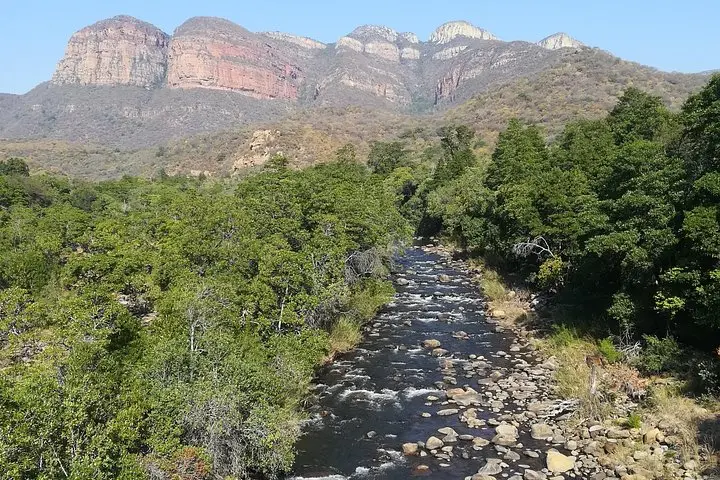
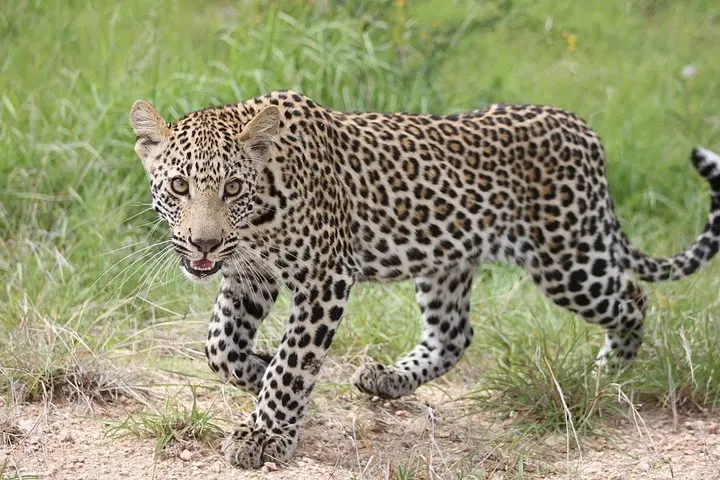
This tour balances spectacle and substance. Expect a three-hour sunset open-vehicle drive the afternoon you arrive, followed by a full day inside Kruger—entering via Orpen gate—where guides parse calls, tracks and the behavior that flags a possible Big Five sighting. Day three pivots to the Blyde River Canyon for a 90-minute boat cruise that is as much about geology and birdlife as hippos and crocodiles. Moholoholo’s rehabilitation center slot provides context: why translocation, anti-poaching patrols and veterinary interventions matter. The final morning is a 1.5-hour guided nature walk on reserve, focused on tracks, medicinal plants and birding.
Practical details: pickups and drop-offs are coordinated from Hoedspruit Airport; total trip time is four days with three nights’ accommodation in a camp inside the Greater Kruger conservancy. Meals are included on most days, but expect to cover a couple of lunches in transit. Vehicles are open for game drives; bring layers—the lowveld cools fast after sunset and can be hot midday.
Health and etiquette notes are straightforward but essential. Kruger lies in a malaria-risk area—consult a travel clinic for prophylaxis and take strict mosquito precautions. Stay in your vehicle unless the guide directs otherwise, and follow all instructions near large mammals; even habituated animals are wild and unpredictable.
If you want immersion without unnecessary complication, this itinerary delivers: rugged evenings round the fire, early-morning birdcalls, and the steady work of conservation threaded through every day. It’s safari as education and spectacle—designed for travelers who want both close wildlife encounters and the background that makes those moments meaningful.
Kruger and surrounding lowveld areas are malaria risk zones—consult your doctor or travel clinic for recommended prophylaxis and carry mosquito repellent.
Most breakfasts and dinners and several lunches are included; a few lunches during transit may be at your own cost—details are provided in your itinerary.
Sightings are possible but not guaranteed—guides maximize chances by using local knowledge and spending full days inside Kruger.
Yes, but children must follow safety rules on vehicles and walks; verify age requirements with the operator as private tours may set limits.
Light, windproof layers and sun protection; the river can be cooler and reflective, so a hat and sunglasses are helpful.
Yes—comprehensive travel insurance that covers medical evacuation is recommended for remote safari and river activities.
Safarii travel company operates guided outdoor trips and adventures with an emphasis on safety, stewardship, and memorable experiences.
The first time the open safari vehicle crested a rise at dusk the scrub fell away and the lowveld opened like a stage. A pair of impala froze in the windshield’s light, and somewhere beyond the mopane the long, slow rumble of a lion reminded everyone to lower their voices. That opening evening—sundowner in hand, orange light pooling on the horizon—sets the pace for this four-day loop through Greater Kruger: long hours on the track, close work with conservationists, a river cruise that lets hippos assert their presence, and quiet mornings spent tracing spoor on guided walks.
The first time the open safari vehicle crested a rise at dusk the scrub fell away and the lowveld opened like a stage. A pair of impala froze in the windshield’s light, and somewhere beyond the mopane the long, slow rumble of a lion reminded everyone to lower their voices. That opening evening—sundowner in hand, orange light pooling on the horizon—sets the pace for this four-day loop through Greater Kruger: long hours on the track, close work with conservationists, a river cruise that lets hippos assert their presence, and quiet mornings spent tracing spoor on guided walks.
Kruger National Park, officially proclaimed in 1926, carries more than a century of South African conservation history. The park’s geology is older still: granite and basalt underlie broad savanna that drains into the Olifants and Blyde rivers, carving dramatic features like the Blyde River Canyon to the west. Local communities around Hoedspruit have woven tourism and stewardship into everyday life; sanctuaries such as Moholoholo offer an unvarnished look at rehabilitation and the pressures that modern development places on wildlife.
This tour balances spectacle and substance. Expect a three-hour sunset open-vehicle drive the afternoon you arrive, followed by a full day inside Kruger—entering via Orpen gate—where guides parse calls, tracks and the behavior that flags a possible Big Five sighting. Day three pivots to the Blyde River Canyon for a 90-minute boat cruise that is as much about geology and birdlife as hippos and crocodiles. Moholoholo’s rehabilitation center slot provides context: why translocation, anti-poaching patrols and veterinary interventions matter. The final morning is a 1.5-hour guided nature walk on reserve, focused on tracks, medicinal plants and birding.
Practical details: pickups and drop-offs are coordinated from Hoedspruit Airport; total trip time is four days with three nights’ accommodation in a camp inside the Greater Kruger conservancy. Meals are included on most days, but expect to cover a couple of lunches in transit. Vehicles are open for game drives; bring layers—the lowveld cools fast after sunset and can be hot midday.
Health and etiquette notes are straightforward but essential. Kruger lies in a malaria-risk area—consult a travel clinic for prophylaxis and take strict mosquito precautions. Stay in your vehicle unless the guide directs otherwise, and follow all instructions near large mammals; even habituated animals are wild and unpredictable.
If you want immersion without unnecessary complication, this itinerary delivers: rugged evenings round the fire, early-morning birdcalls, and the steady work of conservation threaded through every day. It’s safari as education and spectacle—designed for travelers who want both close wildlife encounters and the background that makes those moments meaningful.