THE ADVENTURE COLLECTIVE® · Independent discovery and booking for outdoor travel

Walk through the living history of Kyoto, Nara and Osaka with a local guide across four full days—temples, bamboo groves, friendly deer and street-food nights. Practical, walkable and rich with cultural stops, this tour blends top sites with local flavor.
Walk through the living history of Kyoto, Nara and Osaka with a local guide across four full days—temples, bamboo groves, friendly deer and street-food nights. Practical, walkable and rich with cultural stops, this tour blends top sites with local flavor.
Morning light slips between wooden machiya as you meet your guide near Kyoto Station; the city exhales centuries of ritual and market steam into the street. Over four days you move from Kyoto’s temple-dense east to Arashiyama’s bamboo lanes, descend to Nara’s park where deer thread between pagodas, and finish amid Osaka’s neon canal-front energy.
Verified experiences and guided adventures in the surrounding area.
Operated by japan local and fun experiences · Kyoto, Kyoto Prefecture
Morning light slips between wooden machiya as you meet your guide near Kyoto Station; the city exhales centuries of ritual and market steam into the street. Over four days you move from Kyoto’s temple-dense east to Arashiyama’s bamboo lanes, descend to Nara’s park where deer thread between pagodas, and finish amid Osaka’s neon canal-front energy.
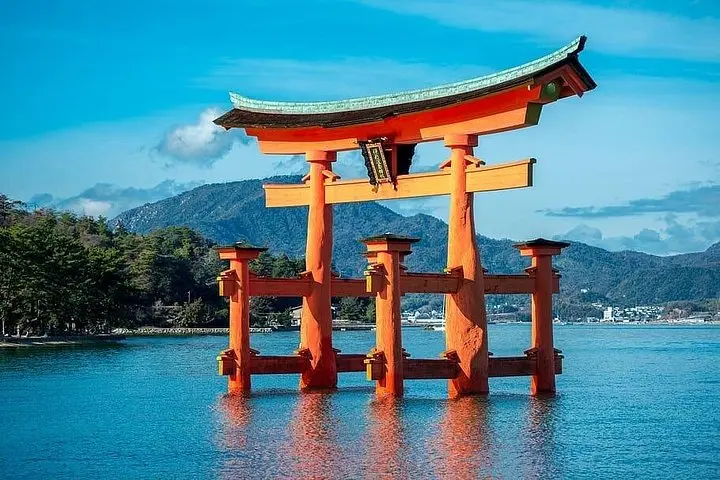
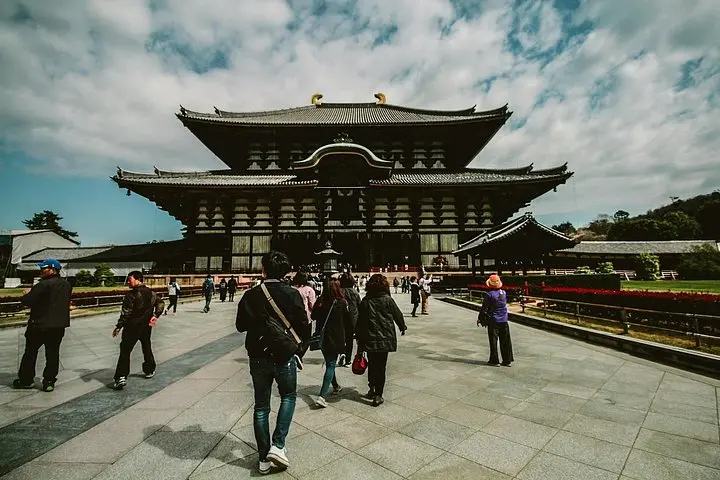
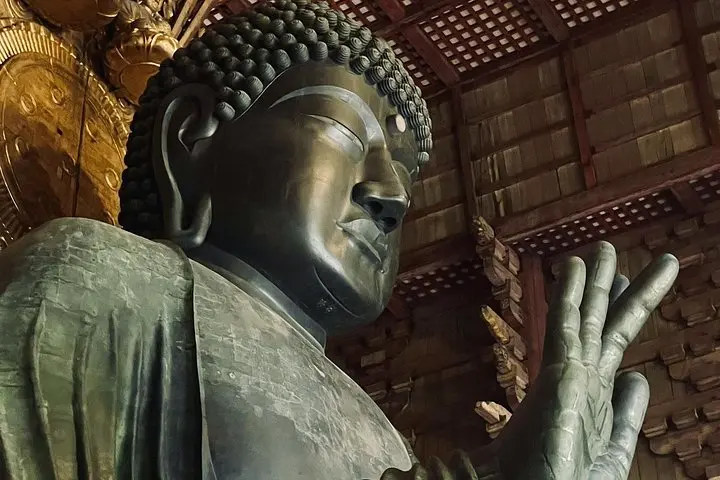
These cities map Japan’s political and spiritual history: Kyoto’s Heian courts, Nara’s 8th‑century capital and great bronze Buddha at Tōdai‑ji, and Osaka’s mercantile rise centered on its castle. Geology here is soft — low hills and river terraces — so most travel is on flat urban pavement, punctuated by temple steps and the steady climb up Mt. Inari’s torii-lined path.
Local culture is tactile: markets that smell of grilled fish and pickled vegetables, shrines where coins clink into offering boxes, and neighborhoods where kimono shops and izakaya trade stories. Expect guided stops at Kiyomizu-dera, Fushimi Inari, Arashiyama Bamboo Grove, Kasuga‑taisha and Osaka’s Dōtonbori, with time to sample street food and seasonal sweets.
Practical edge: this is a full‑day, urban walking tour—pack comfortable shoes, a light rain layer, and a small daypack. Most transport is by public rail; luggage transfers and 3‑star overnight hotels are included. The route is physically easy but involves uneven stone steps and crowded areas; bring a charged phone for maps and cash for small purchases. Travel mornings for cooler air and evenings for lively food scenes.
The tour includes a local guide, public transportation between sites, lunch on each day, snacks/desserts, and overnight accommodation in 3‑star hotels.
The tour is family-friendly but involves significant walking and temple steps; it is not recommended for those with serious spinal or heart conditions or for pregnant travelers.
Four lunches are included; notify the operator of dietary restrictions when booking so guides can arrange suitable options when possible.
Full refund if you cancel at least 24 hours before departure; no refund within 24 hours of the start time.
japan local and fun experiences operates guided outdoor trips and adventures with an emphasis on safety, stewardship, and memorable experiences.
Morning light slips between wooden machiya as you meet your guide near Kyoto Station; the city exhales centuries of ritual and market steam into the street. Over four days you move from Kyoto’s temple-dense east to Arashiyama’s bamboo lanes, descend to Nara’s park where deer thread between pagodas, and finish amid Osaka’s neon canal-front energy.
Morning light slips between wooden machiya as you meet your guide near Kyoto Station; the city exhales centuries of ritual and market steam into the street. Over four days you move from Kyoto’s temple-dense east to Arashiyama’s bamboo lanes, descend to Nara’s park where deer thread between pagodas, and finish amid Osaka’s neon canal-front energy.
These cities map Japan’s political and spiritual history: Kyoto’s Heian courts, Nara’s 8th‑century capital and great bronze Buddha at Tōdai‑ji, and Osaka’s mercantile rise centered on its castle. Geology here is soft — low hills and river terraces — so most travel is on flat urban pavement, punctuated by temple steps and the steady climb up Mt. Inari’s torii-lined path.
Local culture is tactile: markets that smell of grilled fish and pickled vegetables, shrines where coins clink into offering boxes, and neighborhoods where kimono shops and izakaya trade stories. Expect guided stops at Kiyomizu-dera, Fushimi Inari, Arashiyama Bamboo Grove, Kasuga‑taisha and Osaka’s Dōtonbori, with time to sample street food and seasonal sweets.
Practical edge: this is a full‑day, urban walking tour—pack comfortable shoes, a light rain layer, and a small daypack. Most transport is by public rail; luggage transfers and 3‑star overnight hotels are included. The route is physically easy but involves uneven stone steps and crowded areas; bring a charged phone for maps and cash for small purchases. Travel mornings for cooler air and evenings for lively food scenes.