THE ADVENTURE COLLECTIVE® · Independent discovery and booking for outdoor travel

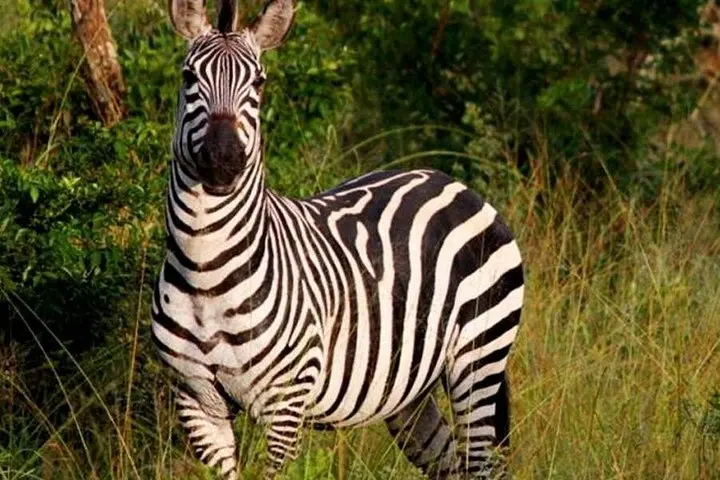
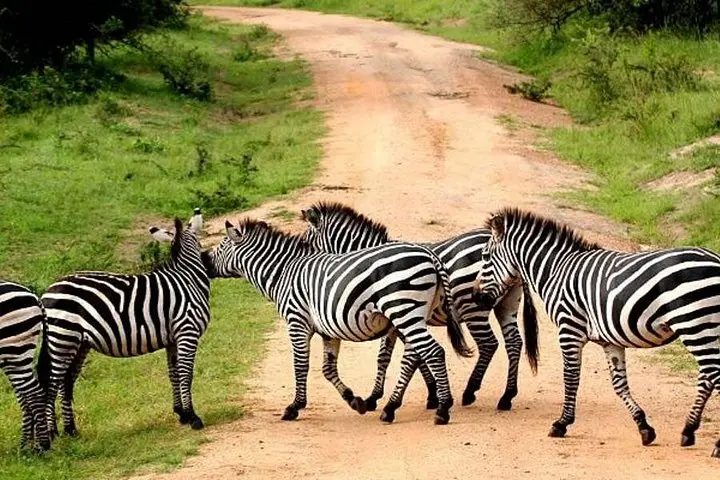
A compact four‑day safari that pairs morning game drives and a two‑hour boat cruise on Lake Mburo with hands‑on cultural visits to Ankole cattle communities and drum makers. Expect hippos, zebras and a unique guided safari walk on foot.
A compact four‑day safari that pairs morning game drives and a two‑hour boat cruise on Lake Mburo with hands‑on cultural visits to Ankole cattle communities and drum makers. Expect hippos, zebras and a unique guided safari walk on foot.
Morning light slabs the acacia rims of Lake Mburo; hippos exhale like small engines and the water pushes the shoreline forward in slow, confident breaths. You meet your guide in Kampala and drive west across the Equator, the highway unspooling through trading towns until the bush opens to ribboned lakes and low hills.
Verified experiences and guided adventures in the surrounding area.
Operated by Peak Cruise Safaris · Mbarara, Western Region
Morning light slabs the acacia rims of Lake Mburo; hippos exhale like small engines and the water pushes the shoreline forward in slow, confident breaths. You meet your guide in Kampala and drive west across the Equator, the highway unspooling through trading towns until the bush opens to ribboned lakes and low hills.
Lake Mburo sits on a shallow rift plain of western Uganda—rolling savanna, rocky kopjes and pockets of papyrus where the lake’s edge becomes a theatre for birdlife. The park remembers harder decades: wildlife was once driven out by conflict in the 1970s–80s, and today Uganda Wildlife Authority and local communities have rebuilt populations, reintroducing species such as giraffe and, more rarely, lion.
Culturally, the area is Ankole country; cattle remain central to identity and visiting a Rwenjeru community campsite or the Mpambire drum makers gives direct access to pastoral lifeways and artisan craft.
Practically, the experience mixes quiet game drives with a close two‑hour boat cruise—hippos, crocs and African fish eagles dominate the shoreline narrative—and the rare chance for an accompanied safari walk on foot. Expect dusty tracks, short rock scrambles to view points, and midday sun that demands water and shade. Wear sturdy walking shoes, carry binoculars and a windproof layer for the boat. Plan for early starts: wildlife is most active at dawn and dusk; afternoons suit birding and cultural visits.
This four‑day loop is relaxed but varied—wildlife, water and culture threaded through workable logistics for travelers based in Kampala or Mbarara.
Consult a travel clinic before departure—yellow fever vaccination is required for some travelers and malaria prophylaxis is recommended for western Uganda.
Yes—operators note the trip is suitable for all fitness levels, but safari walks are optional and younger children should remain in vehicles during some drives.
Yes—guides can meet you in Mbarara and follow the same itinerary, shortening the overland transfer time.
Boats and vehicles maintain safe distances; hippos are visible from the water and shore but are unpredictable—always follow your guide and ranger's instructions.
Peak Cruise Safaris operates guided outdoor trips and adventures with an emphasis on safety, stewardship, and memorable experiences.
Morning light slabs the acacia rims of Lake Mburo; hippos exhale like small engines and the water pushes the shoreline forward in slow, confident breaths. You meet your guide in Kampala and drive west across the Equator, the highway unspooling through trading towns until the bush opens to ribboned lakes and low hills.
Morning light slabs the acacia rims of Lake Mburo; hippos exhale like small engines and the water pushes the shoreline forward in slow, confident breaths. You meet your guide in Kampala and drive west across the Equator, the highway unspooling through trading towns until the bush opens to ribboned lakes and low hills.
Lake Mburo sits on a shallow rift plain of western Uganda—rolling savanna, rocky kopjes and pockets of papyrus where the lake’s edge becomes a theatre for birdlife. The park remembers harder decades: wildlife was once driven out by conflict in the 1970s–80s, and today Uganda Wildlife Authority and local communities have rebuilt populations, reintroducing species such as giraffe and, more rarely, lion.
Culturally, the area is Ankole country; cattle remain central to identity and visiting a Rwenjeru community campsite or the Mpambire drum makers gives direct access to pastoral lifeways and artisan craft.
Practically, the experience mixes quiet game drives with a close two‑hour boat cruise—hippos, crocs and African fish eagles dominate the shoreline narrative—and the rare chance for an accompanied safari walk on foot. Expect dusty tracks, short rock scrambles to view points, and midday sun that demands water and shade. Wear sturdy walking shoes, carry binoculars and a windproof layer for the boat. Plan for early starts: wildlife is most active at dawn and dusk; afternoons suit birding and cultural visits.
This four‑day loop is relaxed but varied—wildlife, water and culture threaded through workable logistics for travelers based in Kampala or Mbarara.