THE ADVENTURE COLLECTIVE® · Independent discovery and booking for outdoor travel

Four days of coastal views, subterranean caverns and imperial Roman ruins: this Beirut-based tour links Jeita Grotto, Harissa, Byblos and the towering temples of Baalbek. Expect varied terrain, short walks at archaeological sites and easy logistics with airport transfers and hotel pick-up.
Four days of coastal views, subterranean caverns and imperial Roman ruins: this Beirut-based tour links Jeita Grotto, Harissa, Byblos and the towering temples of Baalbek. Expect varied terrain, short walks at archaeological sites and easy logistics with airport transfers and hotel pick-up.
The morning fog lifts off the Mediterranean as a minivan threads the coastal road north from Beirut toward pine-clad slopes and a limestone cave mouth.
Verified experiences and guided adventures in the surrounding area.
Operated by Beirut Daily Tours · Beirut, Beirut Governorate
The morning fog lifts off the Mediterranean as a minivan threads the coastal road north from Beirut toward pine-clad slopes and a limestone cave mouth.
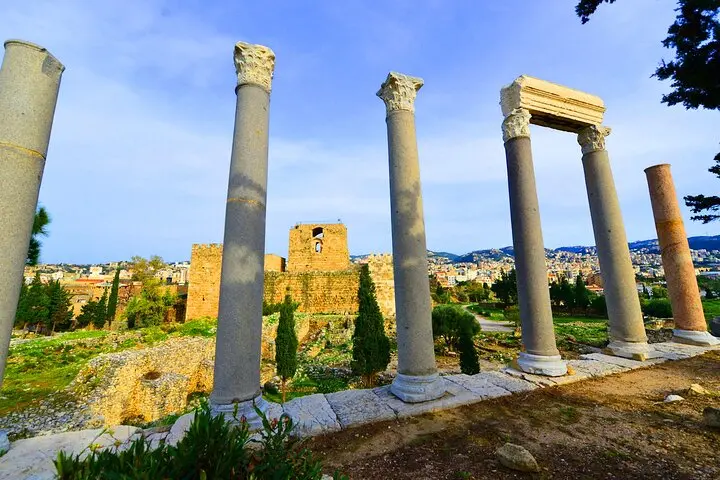
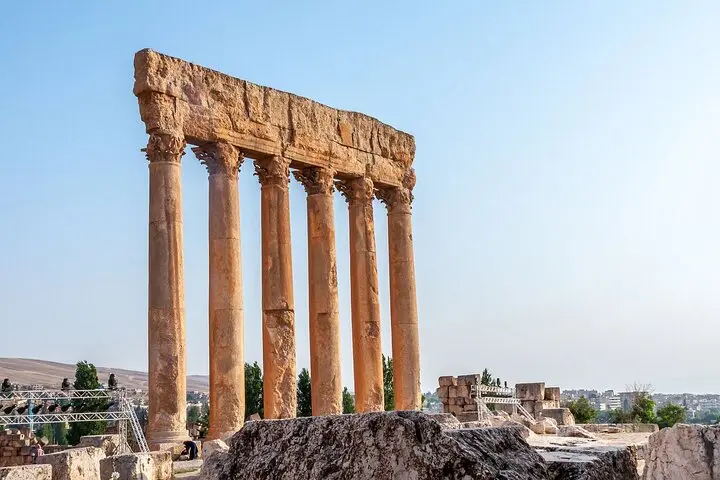
Over four days the itinerary moves from city streets to coastal lookout, then inland across the Bekaa Valley — Jeita Grotto’s cool caverns, the telepherique climb to Our Lady of Lebanon, the layered stones of Byblos’ harbor and the monumental Roman terraces of Baalbek. Guides sketch centuries in concise strokes: Phoenician seafarers at Byblos, Umayyad urban planning at Anjar, then Roman imperial ambition at Baalbek where columns still hold the sky.
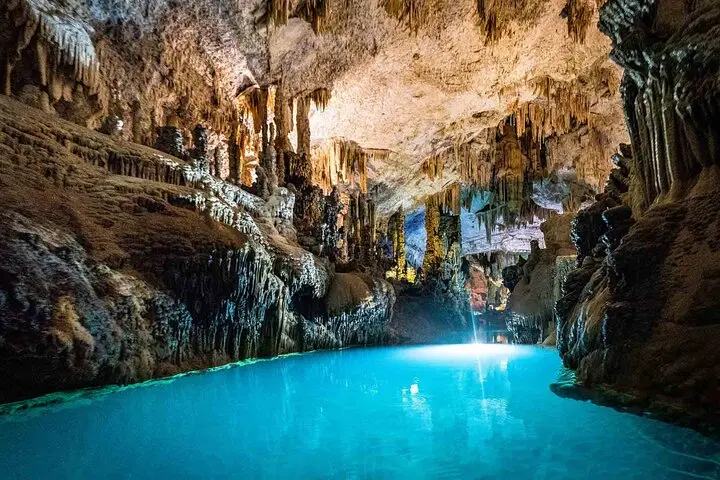
Geology and culture intersect at Jeita: karst water has hollowed chambers and formed draperies of calcite, while the Bekaa’s alluvial plain has long sustained vineyards — Château Ksara’s cellars tell a winemaking story that folds into Jesuit and Ottoman eras.
Practical guidance centers on rhythm: mornings are best for caves and ruins when light is steady and crowds thin; bring layered clothing for the 300 m elevation swings between coast and valley. Expect uneven stones, steps and short walks at each site rather than long treks. Airport transfers and hotel pick-up simplify logistics; small-group touring reduces transit fatigue.
Plan for sun, comfortable footwear, a refillable water bottle and a camera with wide and telephoto options. Respect active religious sites and archaeological rules: stay on marked paths, avoid climbing ruins and support local guides and vendors to help keep these landscapes cared for for the next visitor.
Yes; the provider notes it is suitable for all fitness levels. Expect mostly short walks and vehicle transfers, but be prepared for steps and uneven ground at archaeological sites.
Admissions to specified sites (Jeita, Byblos, Baalbek, Anjar where noted) and lunches on days 2–3 plus breakfasts are included per the itinerary; check booking details for final inclusions.
Walking is short to moderate: site exploration generally involves 20–120 minutes of on-foot sightseeing with stops; it is not a hiking tour but requires mobility for steps and ruins.
Carry some Lebanese pounds or euros for small purchases in souks, tips and optional extras; many hotels and larger vendors accept cards but smaller shops often prefer cash.
Beirut Daily Tours operates guided outdoor trips and adventures with an emphasis on safety, stewardship, and memorable experiences.

The morning fog lifts off the Mediterranean as a minivan threads the coastal road north from Beirut toward pine-clad slopes and a limestone cave mouth.
The morning fog lifts off the Mediterranean as a minivan threads the coastal road north from Beirut toward pine-clad slopes and a limestone cave mouth.
Over four days the itinerary moves from city streets to coastal lookout, then inland across the Bekaa Valley — Jeita Grotto’s cool caverns, the telepherique climb to Our Lady of Lebanon, the layered stones of Byblos’ harbor and the monumental Roman terraces of Baalbek. Guides sketch centuries in concise strokes: Phoenician seafarers at Byblos, Umayyad urban planning at Anjar, then Roman imperial ambition at Baalbek where columns still hold the sky.
Geology and culture intersect at Jeita: karst water has hollowed chambers and formed draperies of calcite, while the Bekaa’s alluvial plain has long sustained vineyards — Château Ksara’s cellars tell a winemaking story that folds into Jesuit and Ottoman eras.
Practical guidance centers on rhythm: mornings are best for caves and ruins when light is steady and crowds thin; bring layered clothing for the 300 m elevation swings between coast and valley. Expect uneven stones, steps and short walks at each site rather than long treks. Airport transfers and hotel pick-up simplify logistics; small-group touring reduces transit fatigue.
Plan for sun, comfortable footwear, a refillable water bottle and a camera with wide and telephoto options. Respect active religious sites and archaeological rules: stay on marked paths, avoid climbing ruins and support local guides and vendors to help keep these landscapes cared for for the next visitor.