THE ADVENTURE COLLECTIVE® · Independent discovery and booking for outdoor travel

Experience Lhasa’s core sights over four days: Potala Palace, Jokhang Temple, Barkhor Street, Drepung and Sera monasteries, with permits and transfers handled. This small-group itinerary pairs cultural depth with practical logistics to help you focus on acclimatization and immersion.
Experience Lhasa’s core sights over four days: Potala Palace, Jokhang Temple, Barkhor Street, Drepung and Sera monasteries, with permits and transfers handled. This small-group itinerary pairs cultural depth with practical logistics to help you focus on acclimatization and immersion.
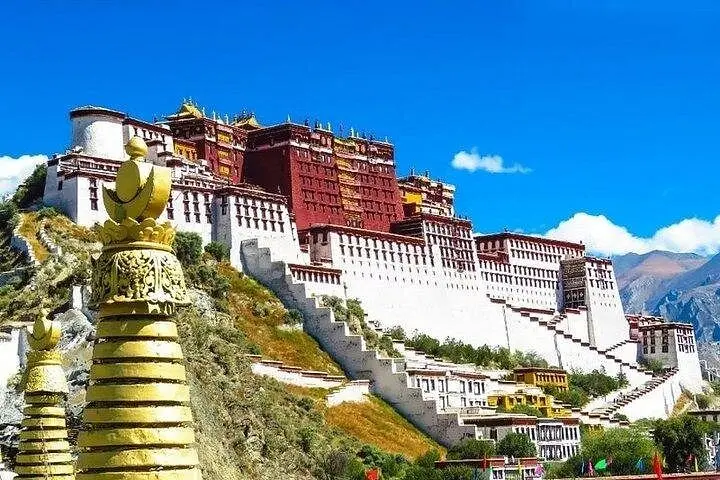
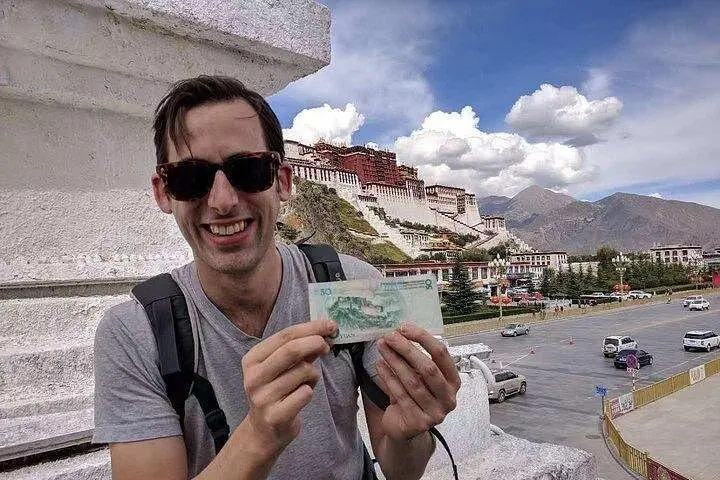
Morning light slides across the high plain as your flight descends toward Lhasa — the city sits like a compact human settlement pressed against a sky that feels closer than anywhere else. Streets bustle with pilgrims turning prayer wheels; red-and-white facades of monasteries rise from the valley, and the Potala Palace crowns the scene, its tiers catching the sun.
Verified experiences and guided adventures in the surrounding area.
Operated by Samtour of Chengdu OTC Travel · Lhasa, Tibet Autonomous Region
Morning light slides across the high plain as your flight descends toward Lhasa — the city sits like a compact human settlement pressed against a sky that feels closer than anywhere else. Streets bustle with pilgrims turning prayer wheels; red-and-white facades of monasteries rise from the valley, and the Potala Palace crowns the scene, its tiers catching the sun.
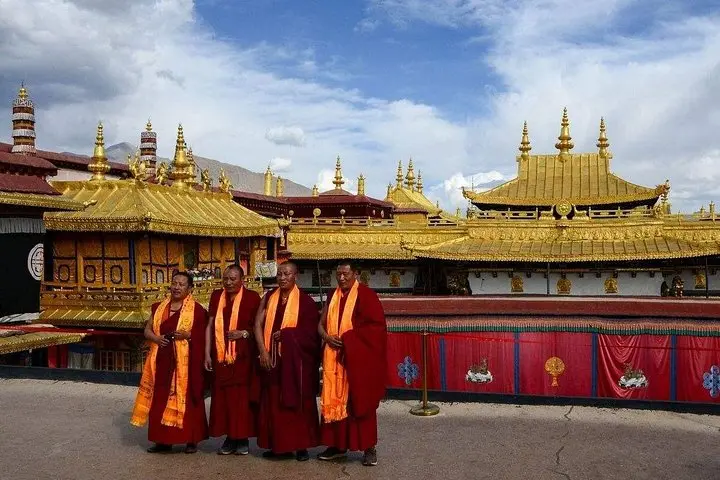
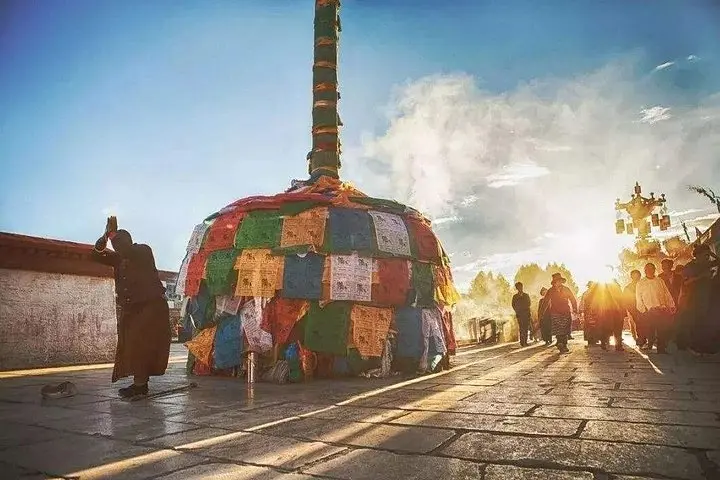
This four-day loop covers the essentials: the Potala Palace’s layered chapels and stupas, Jokhang Temple’s sacred Jowo statue, the clockwise hum of Barkhor’s pilgrims and markets, and the scholarly courtyards of Drepung and Sera monasteries where monks debate as afternoon light thins. Geologically, Lhasa occupies a high basin on the Tibetan Plateau — the air is thin, weather swings fast, and wind shapes the city’s rhythms. Culturally the area centers on Tibetan Buddhism; the sites visited date from the 7th century through the Gelugpa era and carry deep local meaning.
Expect guided walks through narrow lanes, paved temple approaches, and a handful of stairs inside the Potala. The itinerary includes airport or train pickup, three nights’ accommodation with breakfasts, some dinners, bottled water, transport, admissions and the necessary Tibet permit handled by the operator.
Practical notes: allow at least a day to acclimatize, move deliberately on temple steps, and carry sun protection and hydration. Mornings are best for photography and calmer crowds; afternoon monastery debates are a cultural highlight. The tour balances slow cultural immersion with efficient logistics — ideal for travelers who want authoritative context without planning every permit or transfer themselves.
Yes — entry to Tibet requires a permit, which this tour operator arranges and includes in the booking.
Lhasa sits around 3,650–3,700 m; expect shortness of breath, fatigue or mild headaches; rest, hydrate and avoid strenuous activity on arrival.
The tour includes three nights’ accommodation with breakfast, select dinners and bottled water; other meals are generally self-arranged or included as noted in the itinerary.
This small-group tour provides a local Tibetan English-speaking guide to explain cultural and historical context.
Samtour of Chengdu OTC Travel operates guided outdoor trips and adventures with an emphasis on safety, stewardship, and memorable experiences.
Morning light slides across the high plain as your flight descends toward Lhasa — the city sits like a compact human settlement pressed against a sky that feels closer than anywhere else. Streets bustle with pilgrims turning prayer wheels; red-and-white facades of monasteries rise from the valley, and the Potala Palace crowns the scene, its tiers catching the sun.
Morning light slides across the high plain as your flight descends toward Lhasa — the city sits like a compact human settlement pressed against a sky that feels closer than anywhere else. Streets bustle with pilgrims turning prayer wheels; red-and-white facades of monasteries rise from the valley, and the Potala Palace crowns the scene, its tiers catching the sun.
This four-day loop covers the essentials: the Potala Palace’s layered chapels and stupas, Jokhang Temple’s sacred Jowo statue, the clockwise hum of Barkhor’s pilgrims and markets, and the scholarly courtyards of Drepung and Sera monasteries where monks debate as afternoon light thins. Geologically, Lhasa occupies a high basin on the Tibetan Plateau — the air is thin, weather swings fast, and wind shapes the city’s rhythms. Culturally the area centers on Tibetan Buddhism; the sites visited date from the 7th century through the Gelugpa era and carry deep local meaning.
Expect guided walks through narrow lanes, paved temple approaches, and a handful of stairs inside the Potala. The itinerary includes airport or train pickup, three nights’ accommodation with breakfasts, some dinners, bottled water, transport, admissions and the necessary Tibet permit handled by the operator.
Practical notes: allow at least a day to acclimatize, move deliberately on temple steps, and carry sun protection and hydration. Mornings are best for photography and calmer crowds; afternoon monastery debates are a cultural highlight. The tour balances slow cultural immersion with efficient logistics — ideal for travelers who want authoritative context without planning every permit or transfer themselves.