THE ADVENTURE COLLECTIVE® · Independent discovery and booking for outdoor travel

Experience Lhasa in four days: Potala Palace, Jokhang Temple, Barkhor Street and the monastic centers of Drepung and Sera. This small‑group tour includes permits, local English‑speaking guides, transfers and three nights’ accommodation.
Experience Lhasa in four days: Potala Palace, Jokhang Temple, Barkhor Street and the monastic centers of Drepung and Sera. This small‑group tour includes permits, local English‑speaking guides, transfers and three nights’ accommodation.
The city opens slowly as you step into Lhasa’s dry air: prayer flags snap in the breeze and the Potala Palace looms above the valley, its white and red volumes cutting a sharp silhouette against a pale sky.
Verified experiences and guided adventures in the surrounding area.
Operated by Samtour of Chengdu OTC Travel · Lhasa, Tibet Autonomous Region
The city opens slowly as you step into Lhasa’s dry air: prayer flags snap in the breeze and the Potala Palace looms above the valley, its white and red volumes cutting a sharp silhouette against a pale sky.
Over four days the tour moves at a purposeful pace through Lhasa’s core — Potala Palace, Jokhang Temple and the Barkhor circuit, then the great monastic complexes of Drepung and Sera. These sites trace Tibetan history from 7th‑century royal patronage through Gelug scholasticism in the 15th century. Geologically, Lhasa sits on a high plateau of uplifted sediment and compacted alluvium; altitude is the defining factor here, shaping weather and every breath.
Culturally the rhythm is deliberate: pilgrims circumambulate Barkhor, monks debate in Sera’s courtyard, and street stalls sell prayer wheels and thangka. Your local Tibetan, English‑speaking guide translates not only language but context — the sacred role of stupas, monastic reforms, and how modern tourism intersects with tradition.
Practically, expect daily walking on paved streets and temple steps at elevations around 3,650–3,700 m (12,000–12,140 ft). Permit handling and local transfers are included, so bring passport copies and follow guide instructions for documentation. Prioritize acclimatization: take it slow on arrival day, hydrate, and avoid heavy exertion for 24–48 hours. Dress in layers for wide temperature swings, and carry cash for small vendors. Respect temple rules: modest dress, quiet voices, and no intrusive photography in restricted chapels. With measured pacing and respect for local customs, this four‑day itinerary delivers a compact, insightful introduction to Lhasa’s spiritual and civic heart.
Yes. For foreign nationals the tour operator arranges the Tibet Travel Permit; you must provide passport details in advance and carry your passport during travel.
Arrive with light activity plans, rest on day one, hydrate, eat lightly, and consider consultating a physician about prophylactic medication if you have prior issues.
Photography rules vary: exterior photos are generally fine, but many inner chapels prohibit flash or any photography—follow signs and your guide’s instructions.
The tour includes breakfast for three nights and one welcome dinner; hotels are 3‑star by default, with upgrades available for an extra fee if arranged before travel.
Samtour of Chengdu OTC Travel operates guided outdoor trips and adventures with an emphasis on safety, stewardship, and memorable experiences.
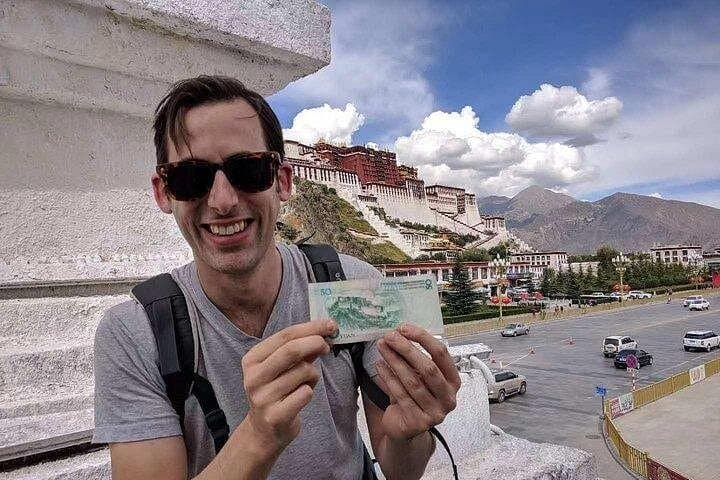
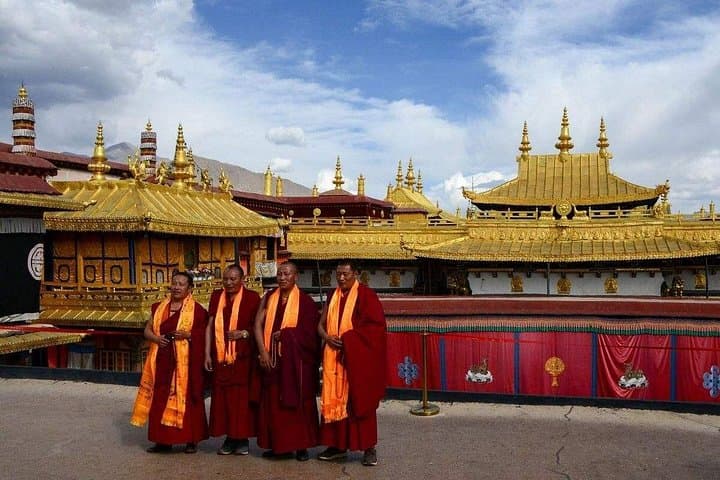

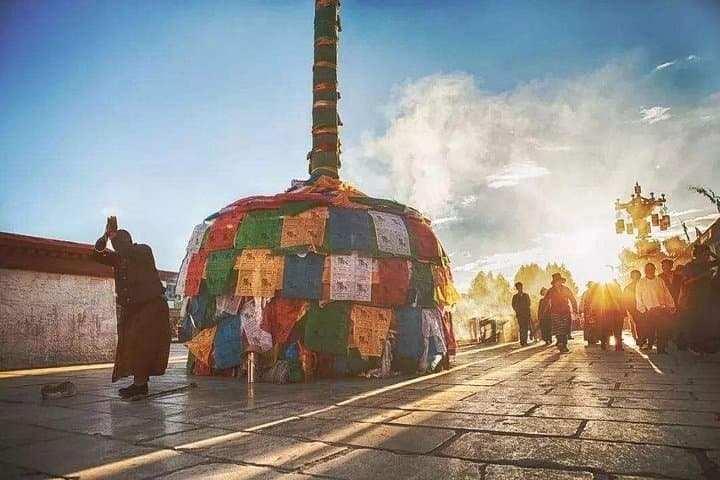
The city opens slowly as you step into Lhasa’s dry air: prayer flags snap in the breeze and the Potala Palace looms above the valley, its white and red volumes cutting a sharp silhouette against a pale sky.
The city opens slowly as you step into Lhasa’s dry air: prayer flags snap in the breeze and the Potala Palace looms above the valley, its white and red volumes cutting a sharp silhouette against a pale sky.
Over four days the tour moves at a purposeful pace through Lhasa’s core — Potala Palace, Jokhang Temple and the Barkhor circuit, then the great monastic complexes of Drepung and Sera. These sites trace Tibetan history from 7th‑century royal patronage through Gelug scholasticism in the 15th century. Geologically, Lhasa sits on a high plateau of uplifted sediment and compacted alluvium; altitude is the defining factor here, shaping weather and every breath.
Culturally the rhythm is deliberate: pilgrims circumambulate Barkhor, monks debate in Sera’s courtyard, and street stalls sell prayer wheels and thangka. Your local Tibetan, English‑speaking guide translates not only language but context — the sacred role of stupas, monastic reforms, and how modern tourism intersects with tradition.
Practically, expect daily walking on paved streets and temple steps at elevations around 3,650–3,700 m (12,000–12,140 ft). Permit handling and local transfers are included, so bring passport copies and follow guide instructions for documentation. Prioritize acclimatization: take it slow on arrival day, hydrate, and avoid heavy exertion for 24–48 hours. Dress in layers for wide temperature swings, and carry cash for small vendors. Respect temple rules: modest dress, quiet voices, and no intrusive photography in restricted chapels. With measured pacing and respect for local customs, this four‑day itinerary delivers a compact, insightful introduction to Lhasa’s spiritual and civic heart.