THE ADVENTURE COLLECTIVE® · Independent discovery and booking for outdoor travel

Float above Luxor at sunrise, walk into the tombs of pharaohs, and stand beneath Abu Simbel’s carved colossi on a compact four-day loop from Cairo. This practical guide helps you plan timing, gear and what to expect at each major stop.
Float above Luxor at sunrise, walk into the tombs of pharaohs, and stand beneath Abu Simbel’s carved colossi on a compact four-day loop from Cairo. This practical guide helps you plan timing, gear and what to expect at each major stop.
You rise before dawn in Luxor, where the Nile skirts the edges of millennia-old stone. Balloons inflate like slow, colorful moons while the river slips gold beneath them, and the first light cuts the silhouette of the West Bank tombs into hard relief.
Verified experiences and guided adventures in the surrounding area.
Operated by Best Of Egypt Tours · Luxor, Luxor Governorate
You rise before dawn in Luxor, where the Nile skirts the edges of millennia-old stone. Balloons inflate like slow, colorful moons while the river slips gold beneath them, and the first light cuts the silhouette of the West Bank tombs into hard relief.
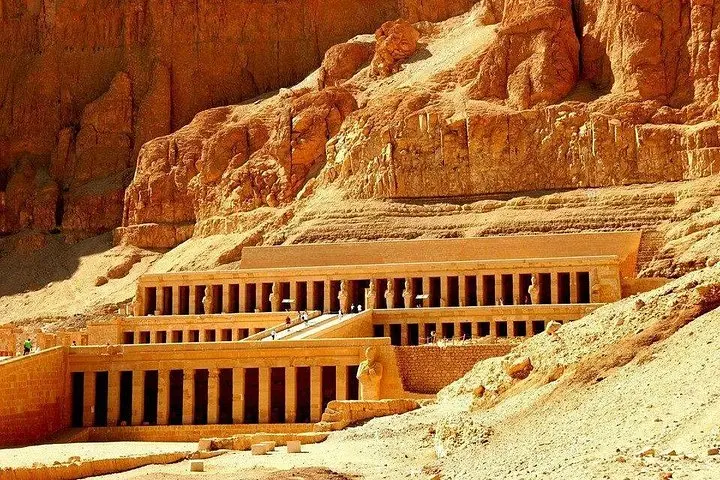
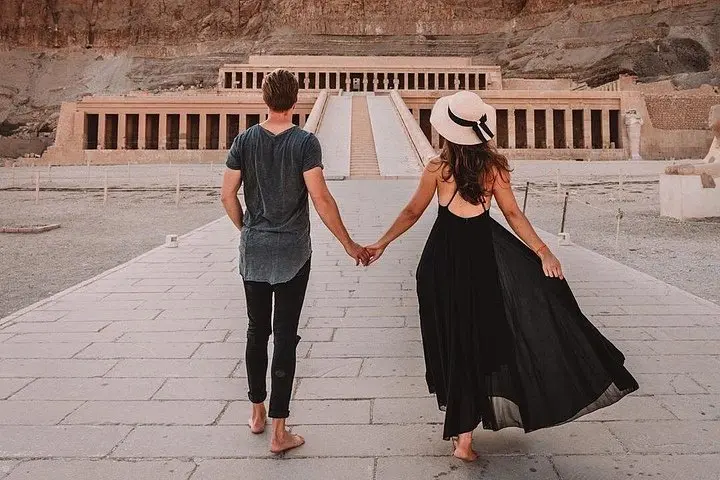
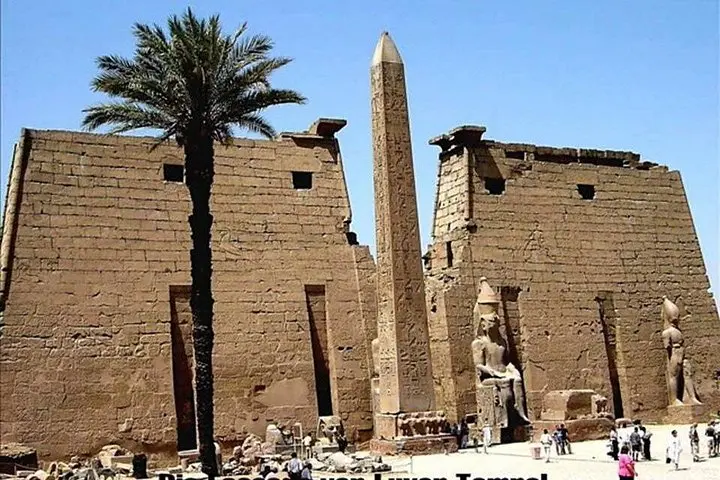
This four-day circuit threads Egypt’s southern Nile: the royal tombs of the Valley of the Kings, Hatshepsut’s terraced mortuary temple, Karnak’s avenue and hypostyle heart, then eastward across desert roads to Abu Simbel’s colossal façade. Geology here is stark—limestone cliffs and sandstone outcrops that ancient builders carved and later relocated when the High Dam reshaped the river’s flow.
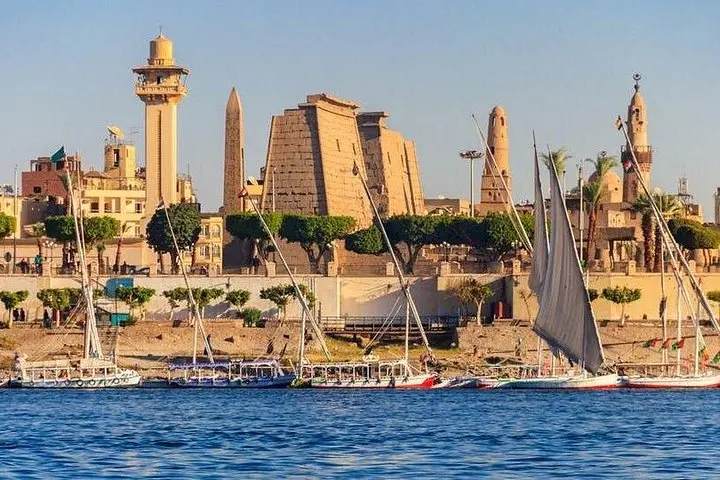
Culture and history are immediate. Luxor was Thebes, a political and religious center for the New Kingdom; Aswan marks the trade gateway to Nubia. Boat rides to Philae and small island gardens introduce Nilotic life—palm groves, river birds and shaded markets where local hospitality is practical and direct.
Practical guidance: plan early starts (balloon flights leave pre-sunrise), pack strong sun protection and light layers for cool mornings and hot afternoons, and keep cash for small purchases and tips. Mobility is generally manageable—this tour notes wheelchair-accessible transport—but expect walking on uneven temple stone, steps and short climbs at some sites.
Logistics: flights link Cairo–Luxor and return; one long road transfer serves Abu Simbel. Hydrate, wear supportive shoes suitable for rubble and paved courtyards, and allow quiet time at each temple to read the reliefs—these sites reward slow attention.
This tour package lists inclusions such as the hot air balloon trip, Abu Simbel transfer, Philae and some temple visits—always confirm the exact inclusions on your booking voucher before travel.
Balloon flights depart pre-dawn to catch calm winds and sunrise—expect pickups around 4:00–5:00 a.m., depending on season and local sunrise times.
The operator indicates wheelchair-accessible transport and surfaces in many areas, but note that temple sites have historic stone steps and uneven ground; accessibility can vary by specific monument.
Most visitors need an entry visa for Egypt—check your nationality’s requirements—and routine vaccines are recommended; consult your doctor for current health advice and any travel immunizations.
Best Of Egypt Tours operates guided outdoor trips and adventures with an emphasis on safety, stewardship, and memorable experiences.
You rise before dawn in Luxor, where the Nile skirts the edges of millennia-old stone. Balloons inflate like slow, colorful moons while the river slips gold beneath them, and the first light cuts the silhouette of the West Bank tombs into hard relief.
You rise before dawn in Luxor, where the Nile skirts the edges of millennia-old stone. Balloons inflate like slow, colorful moons while the river slips gold beneath them, and the first light cuts the silhouette of the West Bank tombs into hard relief.
This four-day circuit threads Egypt’s southern Nile: the royal tombs of the Valley of the Kings, Hatshepsut’s terraced mortuary temple, Karnak’s avenue and hypostyle heart, then eastward across desert roads to Abu Simbel’s colossal façade. Geology here is stark—limestone cliffs and sandstone outcrops that ancient builders carved and later relocated when the High Dam reshaped the river’s flow.
Culture and history are immediate. Luxor was Thebes, a political and religious center for the New Kingdom; Aswan marks the trade gateway to Nubia. Boat rides to Philae and small island gardens introduce Nilotic life—palm groves, river birds and shaded markets where local hospitality is practical and direct.
Practical guidance: plan early starts (balloon flights leave pre-sunrise), pack strong sun protection and light layers for cool mornings and hot afternoons, and keep cash for small purchases and tips. Mobility is generally manageable—this tour notes wheelchair-accessible transport—but expect walking on uneven temple stone, steps and short climbs at some sites.
Logistics: flights link Cairo–Luxor and return; one long road transfer serves Abu Simbel. Hydrate, wear supportive shoes suitable for rubble and paved courtyards, and allow quiet time at each temple to read the reliefs—these sites reward slow attention.