THE ADVENTURE COLLECTIVE® · Independent discovery and booking for outdoor travel

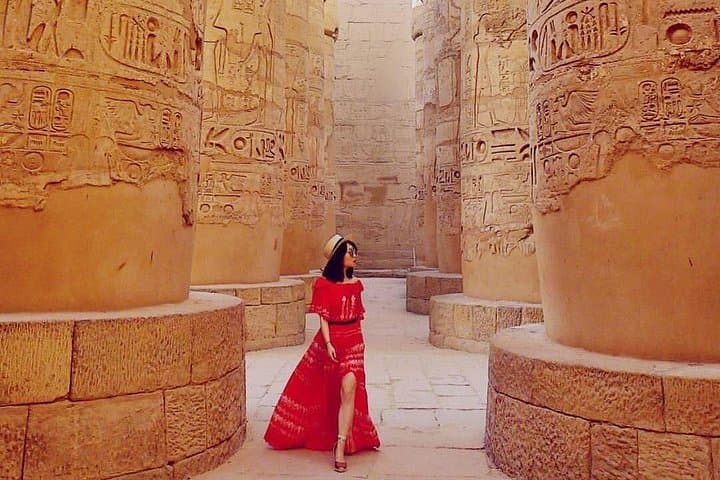
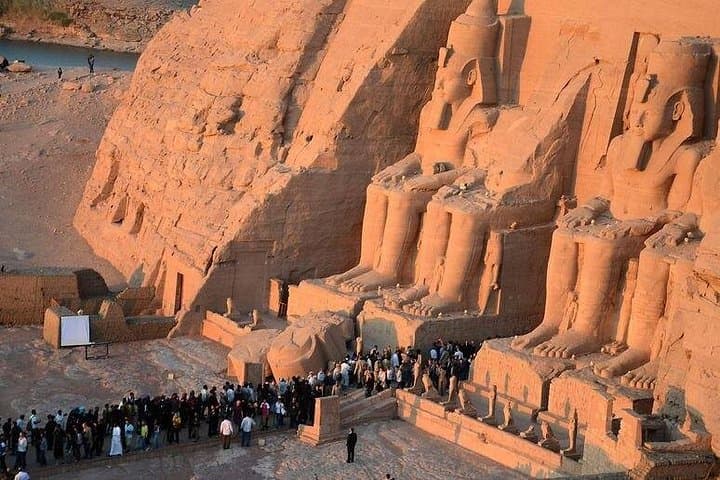
Float over Luxor at sunrise, walk the colonnades of Karnak, cross to Hatshepsut’s terraced mortuary temple, and travel to the colossal Abu Simbel — all in four days. This compact Upper Egypt route blends high-impact archaeology with a hot-air balloon sunrise and Nile island sights.
Float over Luxor at sunrise, walk the colonnades of Karnak, cross to Hatshepsut’s terraced mortuary temple, and travel to the colossal Abu Simbel — all in four days. This compact Upper Egypt route blends high-impact archaeology with a hot-air balloon sunrise and Nile island sights.
Dawn breaks over the Nile floodplain and the desert cools into a pale wash of gold — the wicker basket rises and the river below seems to remember the pharaohs. This four-day itinerary threads the great sites of Upper Egypt: Luxor’s West Bank necropolises, the monument-rich East Bank with Karnak and Luxor Temples, a sunrise hot-air balloon, the monumental twin temples of Abu Simbel, and Aswan’s islands and High Dam.
Verified experiences and guided adventures in the surrounding area.
Operated by Best Of Egypt Tours · Luxor, Luxor Governorate
Dawn breaks over the Nile floodplain and the desert cools into a pale wash of gold — the wicker basket rises and the river below seems to remember the pharaohs. This four-day itinerary threads the great sites of Upper Egypt: Luxor’s West Bank necropolises, the monument-rich East Bank with Karnak and Luxor Temples, a sunrise hot-air balloon, the monumental twin temples of Abu Simbel, and Aswan’s islands and High Dam.
The landscape here is shaped by the Nile’s ribbon — soft alluvial plains edged by Eocene limestone cliffs where tombs were cut into rock. Luxor and Thebes were the political and religious heart of New Kingdom Egypt (circa 1550–1070 BCE); Karnak grew over generations into one of the largest temple complexes on Earth, while Abu Simbel stands as nineteenth-century BCE imperial propaganda carved into sandstone.
Culturally, expect active mosque and market life in modern towns, Bedouin presence beyond the cultivated banks, and guides steeped in Egyptology to narrate iconography and royal funerary practice.
Practical guidance: start early to avoid midday heat; modest, breathable clothing and a hat are required at many temples. Hot-air balloons launch before sunrise — carry your camera, but wear closed shoes for sand and uneven surfaces. Abu Simbel involves a long transfer or an internal flight; schedule flexibility and patience are part of travel rhythm here.
Bring cash for small purchases and tips; sunscreen and a refillable water bottle will keep you moving through long site visits. With planning, this compact loop through Luxor, Aswan and Abu Simbel delivers high-impact history and striking desert river scenery.
The tour inclusions list domestic flights, hot-air balloon, several temple visits and meals; confirm the booking voucher for which specific admissions are covered.
Abu Simbel is a long transfer from Aswan — expect multi-hour road transfers or a short domestic flight option depending on the itinerary.
The provider notes wheelchair-accessible transportation and some accessible surfaces, but many archaeological sites have stairs and uneven ground; check accessibility details for each site in advance.
Walking is generally light to moderate with stone steps, uneven paths and short climbs at temple terraces; no technical hiking skills required.
Best Of Egypt Tours operates guided outdoor trips and adventures with an emphasis on safety, stewardship, and memorable experiences.


Dawn breaks over the Nile floodplain and the desert cools into a pale wash of gold — the wicker basket rises and the river below seems to remember the pharaohs. This four-day itinerary threads the great sites of Upper Egypt: Luxor’s West Bank necropolises, the monument-rich East Bank with Karnak and Luxor Temples, a sunrise hot-air balloon, the monumental twin temples of Abu Simbel, and Aswan’s islands and High Dam.
Dawn breaks over the Nile floodplain and the desert cools into a pale wash of gold — the wicker basket rises and the river below seems to remember the pharaohs. This four-day itinerary threads the great sites of Upper Egypt: Luxor’s West Bank necropolises, the monument-rich East Bank with Karnak and Luxor Temples, a sunrise hot-air balloon, the monumental twin temples of Abu Simbel, and Aswan’s islands and High Dam.
The landscape here is shaped by the Nile’s ribbon — soft alluvial plains edged by Eocene limestone cliffs where tombs were cut into rock. Luxor and Thebes were the political and religious heart of New Kingdom Egypt (circa 1550–1070 BCE); Karnak grew over generations into one of the largest temple complexes on Earth, while Abu Simbel stands as nineteenth-century BCE imperial propaganda carved into sandstone.
Culturally, expect active mosque and market life in modern towns, Bedouin presence beyond the cultivated banks, and guides steeped in Egyptology to narrate iconography and royal funerary practice.
Practical guidance: start early to avoid midday heat; modest, breathable clothing and a hat are required at many temples. Hot-air balloons launch before sunrise — carry your camera, but wear closed shoes for sand and uneven surfaces. Abu Simbel involves a long transfer or an internal flight; schedule flexibility and patience are part of travel rhythm here.
Bring cash for small purchases and tips; sunscreen and a refillable water bottle will keep you moving through long site visits. With planning, this compact loop through Luxor, Aswan and Abu Simbel delivers high-impact history and striking desert river scenery.