THE ADVENTURE COLLECTIVE® · Independent discovery and booking for outdoor travel

Float over Luxor at sunrise, walk the stone avenues of Karnak and Luxor, cross to Hatshepsut’s terraces, cruise to Philae and stand beneath the colossal faces of Abu Simbel — all in a four-day loop from Cairo by plane. Practical, fast-paced and historically rich.
Float over Luxor at sunrise, walk the stone avenues of Karnak and Luxor, cross to Hatshepsut’s terraces, cruise to Philae and stand beneath the colossal faces of Abu Simbel — all in a four-day loop from Cairo by plane. Practical, fast-paced and historically rich.
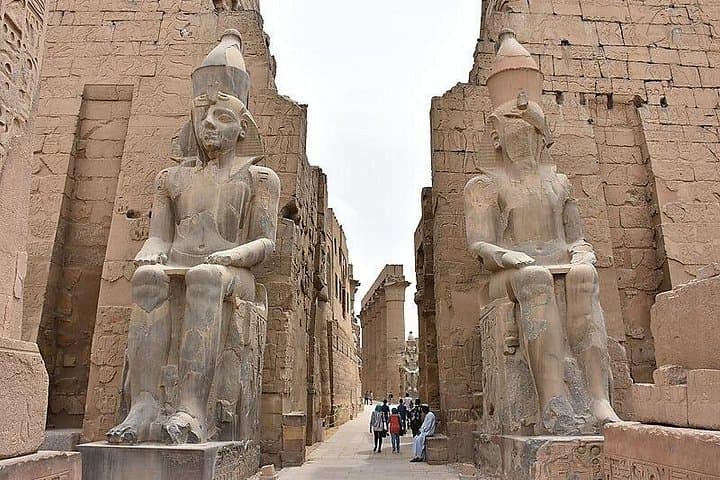
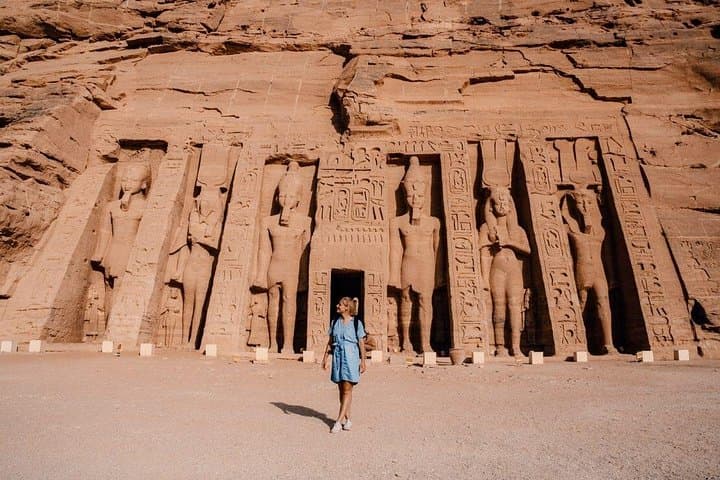
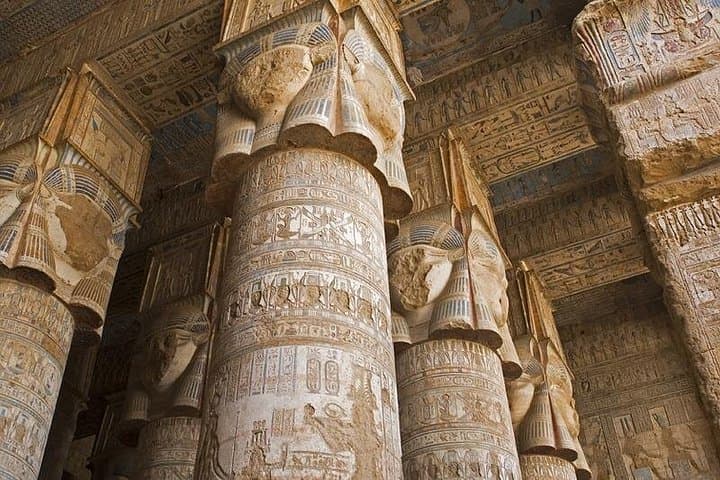
Dawn lifts off over the Nile and a hot-air balloon drifts like a slow thought above the gilded fields of Luxor — palm fronds lean in as if to watch. This four-day loop from Cairo by plane threads the Nile corridor: Luxor’s west bank tombs, the columned sprawl of Karnak, a sunrise balloon, a brief cruise to Philae and the engineering scale of the Aswan High Dam, then the monumental faces of Abu Simbel.
Verified experiences and guided adventures in the surrounding area.
Operated by Book Your Tours · Luxor, Luxor Governorate
Dawn lifts off over the Nile and a hot-air balloon drifts like a slow thought above the gilded fields of Luxor — palm fronds lean in as if to watch. This four-day loop from Cairo by plane threads the Nile corridor: Luxor’s west bank tombs, the columned sprawl of Karnak, a sunrise balloon, a brief cruise to Philae and the engineering scale of the Aswan High Dam, then the monumental faces of Abu Simbel.
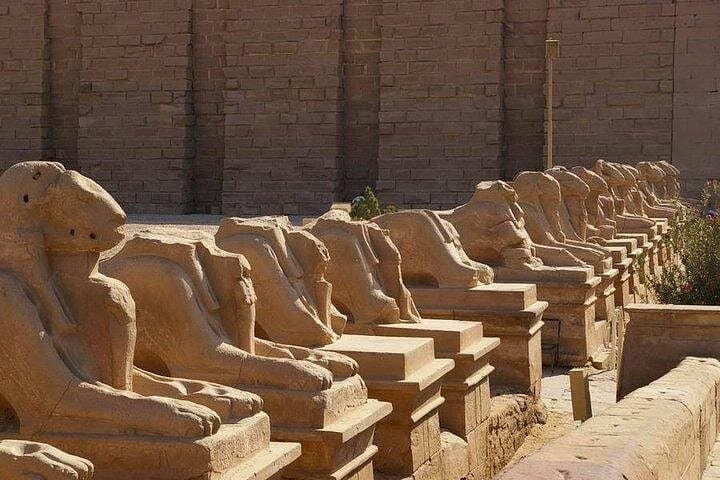
The route follows millennia of human ambition: pharaonic necropolises carved into limestone, the Avenue of Sphinxes once stretching roughly 3 km between Karnak and Luxor Temples, and Hatshepsut’s terraced mortuary cleaved into Deir el-Bahari. Geology here is simple — sedimentary Nile floodplain and exposed Eocene limestone where tombs were cut — but the cultural layers are dense: the Theban cemeteries, Greco-Roman additions and modern engineering at Aswan (the dam is 111 m high).
Expect early starts (hot-air balloons launch at first light), heat by midday, and compact, walkable sites with many stairs and uneven stone. Flights link Cairo–Luxor and the itinerary commonly uses a short coach or river transfer between sites. Carry water, sun protection and modest clothing for temple visits; bring local cash for tips and small purchases. Guides translate inscriptions into context and manage tickets — a private guide speeds transit and line-skipping where possible.
This trip balances spectacle (Abu Simbel’s colossal façade) with quiet moments — a felucca drifting, the Nile nudging the shore — giving a compact, transportive survey of Upper Egypt that’s logistically straightforward but rich in historical depth.
Each day includes several short-to-moderate walking segments (temple complexes, tomb interiors) with stairs and uneven stone; plan for 2–4 miles of cumulative walking on busiest days.
Operators follow safety procedures, but balloon rides involve climbing into a basket and standing for the flight; those with significant mobility issues or pregnancy should check with the operator beforehand.
This itinerary includes breakfasts and lunches as listed, plus the internal flight from Cairo to Luxor; verify specifics at booking for any additional meals or upgrades.
Most nationalities require a visa for Egypt; check current visa rules and obtain one in advance or on arrival where permitted.
Book Your Tours operates guided outdoor trips and adventures with an emphasis on safety, stewardship, and memorable experiences.
Dawn lifts off over the Nile and a hot-air balloon drifts like a slow thought above the gilded fields of Luxor — palm fronds lean in as if to watch. This four-day loop from Cairo by plane threads the Nile corridor: Luxor’s west bank tombs, the columned sprawl of Karnak, a sunrise balloon, a brief cruise to Philae and the engineering scale of the Aswan High Dam, then the monumental faces of Abu Simbel.
Dawn lifts off over the Nile and a hot-air balloon drifts like a slow thought above the gilded fields of Luxor — palm fronds lean in as if to watch. This four-day loop from Cairo by plane threads the Nile corridor: Luxor’s west bank tombs, the columned sprawl of Karnak, a sunrise balloon, a brief cruise to Philae and the engineering scale of the Aswan High Dam, then the monumental faces of Abu Simbel.
The route follows millennia of human ambition: pharaonic necropolises carved into limestone, the Avenue of Sphinxes once stretching roughly 3 km between Karnak and Luxor Temples, and Hatshepsut’s terraced mortuary cleaved into Deir el-Bahari. Geology here is simple — sedimentary Nile floodplain and exposed Eocene limestone where tombs were cut — but the cultural layers are dense: the Theban cemeteries, Greco-Roman additions and modern engineering at Aswan (the dam is 111 m high).
Expect early starts (hot-air balloons launch at first light), heat by midday, and compact, walkable sites with many stairs and uneven stone. Flights link Cairo–Luxor and the itinerary commonly uses a short coach or river transfer between sites. Carry water, sun protection and modest clothing for temple visits; bring local cash for tips and small purchases. Guides translate inscriptions into context and manage tickets — a private guide speeds transit and line-skipping where possible.
This trip balances spectacle (Abu Simbel’s colossal façade) with quiet moments — a felucca drifting, the Nile nudging the shore — giving a compact, transportive survey of Upper Egypt that’s logistically straightforward but rich in historical depth.