THE ADVENTURE COLLECTIVE® · Independent discovery and booking for outdoor travel

Float over Luxor at sunrise, walk the stone corridors of Karnak, and stand beneath Abu Simbel’s colossal faces on a four-day itinerary that pairs aerial perspective with deep historical context. Practical logistics and early-morning timing make the difference between crowded and unforgettable.
Float over Luxor at sunrise, walk the stone corridors of Karnak, and stand beneath Abu Simbel’s colossal faces on a four-day itinerary that pairs aerial perspective with deep historical context. Practical logistics and early-morning timing make the difference between crowded and unforgettable.
You lift off before dawn, the balloon basket rocking as the Nile’s ribbon unspools beneath you and the desert exhales a cool, dry breath. From the air, Karnak’s colonnades look like a forest frozen in stone; below, the river dares you to follow its curve toward palm-fringed Aswan and the monumental faces of Abu Simbel.
Verified experiences and guided adventures in the surrounding area.
Operated by Best Of Egypt Tours · Luxor, Luxor Governorate
You lift off before dawn, the balloon basket rocking as the Nile’s ribbon unspools beneath you and the desert exhales a cool, dry breath. From the air, Karnak’s colonnades look like a forest frozen in stone; below, the river dares you to follow its curve toward palm-fringed Aswan and the monumental faces of Abu Simbel.
This four-day itinerary threads through Thebes — the ancient capital of Upper Egypt — where pharaohs carved eternity into rock. Geologically, the route moves from fertile Nile floodplains to the Nubian sandstone and granite that make Aswan’s temples so photogenic. Culturally, expect living traditions: mosque calls in modern Luxor, Nubian villages near Aswan, and markets that trade spices and papyrus prints alongside tourist keepsakes.
Practically, the tour combines short flights, guided temple visits (Valley of the Kings, Hatshepsut, Karnak, Luxor), a hot-air balloon sunrise, and a day trip to Abu Simbel. You’ll move at a brisk, curated pace — early mornings for cooler light and lighter crowds, afternoons for quiet museum time or hotel rest. Guides typically handle logistics, but carry water, sun protection, and comfortable walking shoes; keep cameras ready for low-angle light on wall reliefs.
Expect flat walking with steps at temple entrances and uneven stone floors inside tombs. Accessibility is generally good for hotels and transport, though some ruins require brief climbs. Weather is hot and arid most of the year; the Aswan High Dam is a modern landmark that changed the river’s flow and the region’s ecology. Travel with respect: avoid touching painted reliefs, follow your guide, and factor in time for immigration and internal flights back to Cairo.
This tour package includes internal flight tickets, accommodation and many listed site visits; confirm exact admission coverage on your voucher as some sites may require separate tickets.
Most operators allow a wide age range but recommend participants be steady on their feet; consult the provider about weight or health restrictions and check weather-dependent schedules.
Expect short to moderate walks, stairs and uneven stone surfaces; mobility aids help in hotels and vehicles but some archaeological areas have limited accessibility.
Autumn through spring offers cooler temperatures and clearer skies; summer is very hot though inexpensive and less crowded in some sites.
Best Of Egypt Tours operates guided outdoor trips and adventures with an emphasis on safety, stewardship, and memorable experiences.
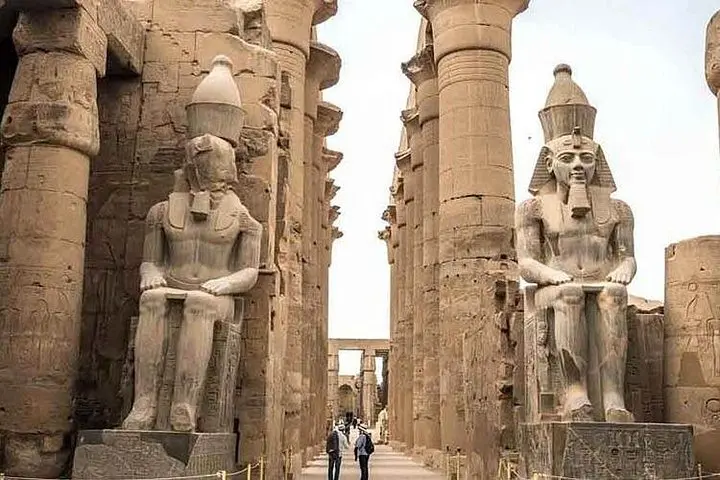
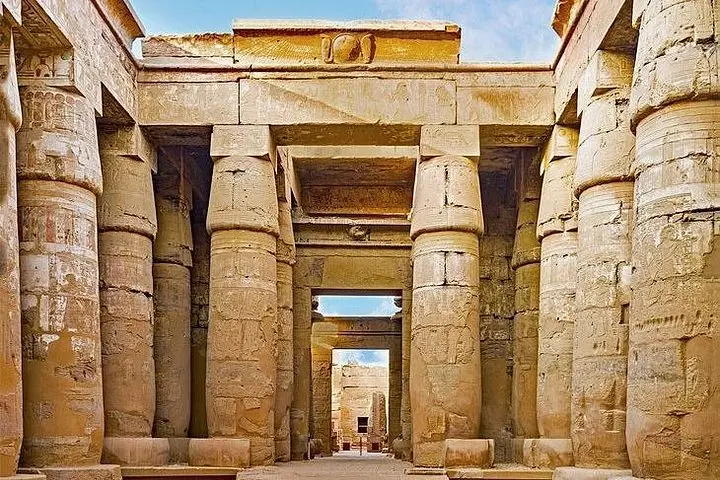
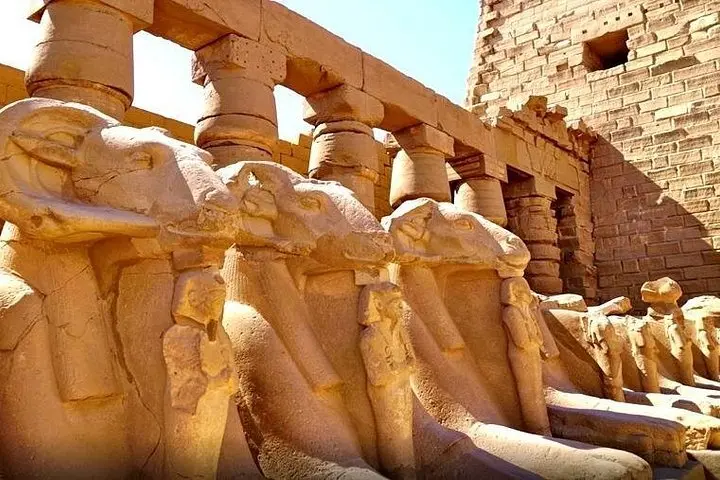
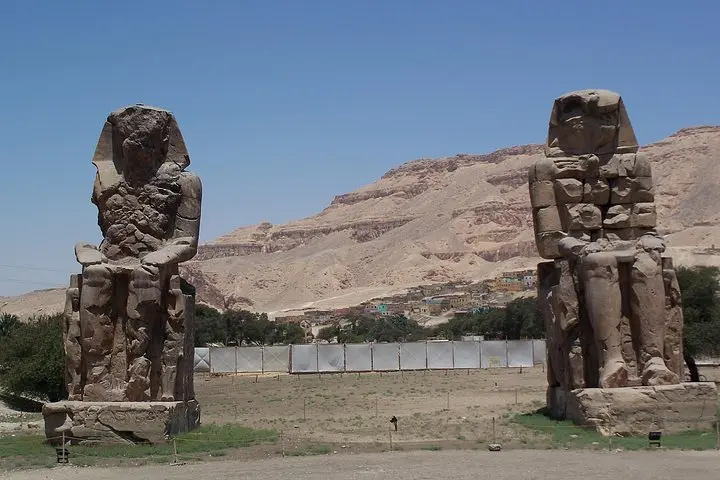
You lift off before dawn, the balloon basket rocking as the Nile’s ribbon unspools beneath you and the desert exhales a cool, dry breath. From the air, Karnak’s colonnades look like a forest frozen in stone; below, the river dares you to follow its curve toward palm-fringed Aswan and the monumental faces of Abu Simbel.
You lift off before dawn, the balloon basket rocking as the Nile’s ribbon unspools beneath you and the desert exhales a cool, dry breath. From the air, Karnak’s colonnades look like a forest frozen in stone; below, the river dares you to follow its curve toward palm-fringed Aswan and the monumental faces of Abu Simbel.
This four-day itinerary threads through Thebes — the ancient capital of Upper Egypt — where pharaohs carved eternity into rock. Geologically, the route moves from fertile Nile floodplains to the Nubian sandstone and granite that make Aswan’s temples so photogenic. Culturally, expect living traditions: mosque calls in modern Luxor, Nubian villages near Aswan, and markets that trade spices and papyrus prints alongside tourist keepsakes.
Practically, the tour combines short flights, guided temple visits (Valley of the Kings, Hatshepsut, Karnak, Luxor), a hot-air balloon sunrise, and a day trip to Abu Simbel. You’ll move at a brisk, curated pace — early mornings for cooler light and lighter crowds, afternoons for quiet museum time or hotel rest. Guides typically handle logistics, but carry water, sun protection, and comfortable walking shoes; keep cameras ready for low-angle light on wall reliefs.
Expect flat walking with steps at temple entrances and uneven stone floors inside tombs. Accessibility is generally good for hotels and transport, though some ruins require brief climbs. Weather is hot and arid most of the year; the Aswan High Dam is a modern landmark that changed the river’s flow and the region’s ecology. Travel with respect: avoid touching painted reliefs, follow your guide, and factor in time for immigration and internal flights back to Cairo.