THE ADVENTURE COLLECTIVE® · Independent discovery and booking for outdoor travel

Cross the High Atlas to reach Erg Chebbi’s towering dunes, ride camels at sunset, sleep in a traditional desert camp and visit UNESCO-listed kasbahs — all in four paced days from Marrakech. Practical route notes and local context prepare you for long drives, short hikes and cold nights under wide Saharan skies.
Cross the High Atlas to reach Erg Chebbi’s towering dunes, ride camels at sunset, sleep in a traditional desert camp and visit UNESCO-listed kasbahs — all in four paced days from Marrakech. Practical route notes and local context prepare you for long drives, short hikes and cold nights under wide Saharan skies.
The road leaves Marrakech behind and climbs the Tizi n’Tichka, the High Atlas folding toward the sky as villages cling to the slopes. By afternoon you’ll be tracing kasbah-lined oases, past sun-bleached mud walls and palm shadows, until the dunes of Erg Chebbi rise like an orange sea daring you to cross them. Nights are wide and quiet: stars slide across the Sahara and the camp’s lamps puncture the dark.
Verified experiences and guided adventures in the surrounding area.
Operated by Morocco Desert Trips · Merzouga, Drâa-Tafilalet
The road leaves Marrakech behind and climbs the Tizi n’Tichka, the High Atlas folding toward the sky as villages cling to the slopes. By afternoon you’ll be tracing kasbah-lined oases, past sun-bleached mud walls and palm shadows, until the dunes of Erg Chebbi rise like an orange sea daring you to cross them. Nights are wide and quiet: stars slide across the Sahara and the camp’s lamps puncture the dark.
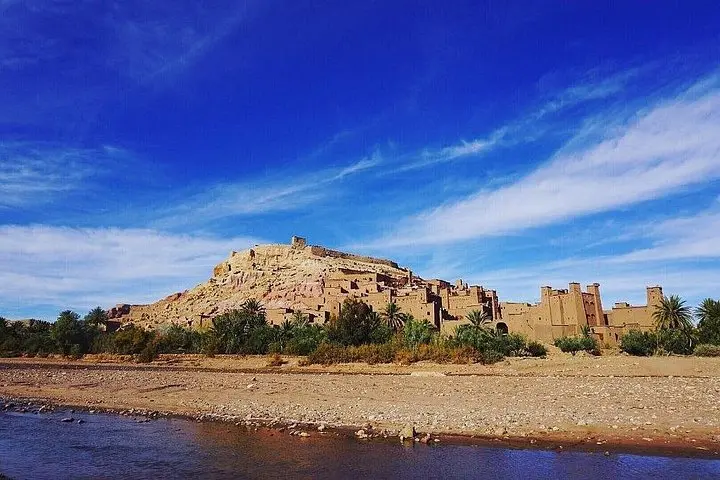
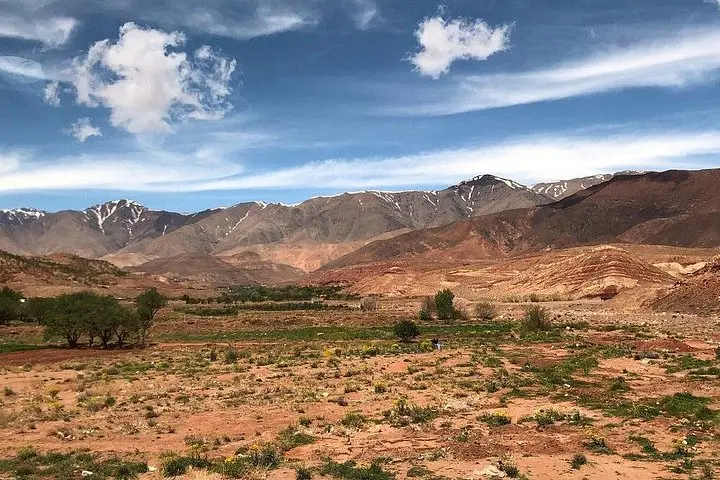
This route threads centuries of trade routes and Berber culture — from the caravan crossroads of Ait Ben Haddou (a UNESCO kasbah and frequent film location) through the Dades and Todra gorges carved into limestone and metamorphic rock. Geology reads as color and form here: folded High Atlas ridges, river-cut gorges and the wind-sculpted silhouettes of sand dunes. Local life centers on palm groves and small guesthouses where traditional hospitality meets modern comfort.
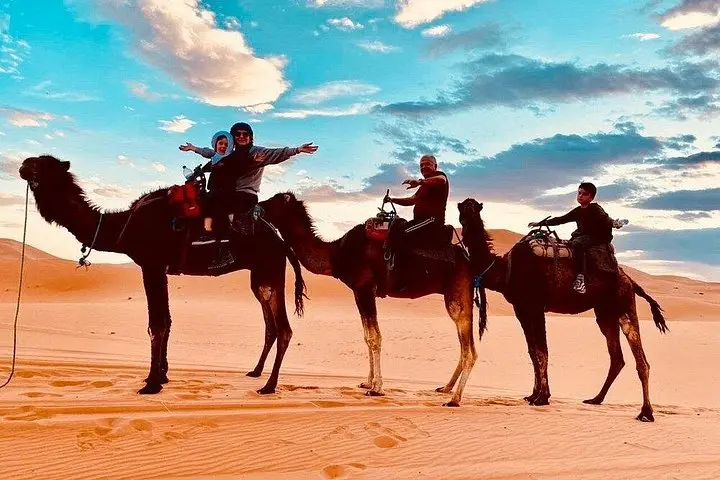
Practically: the tour packs long driving days with stops for short walks, market visits and a 1-hour camel transfer to a desert camp for sunset and sunrise rides. Expect sandy terrain, dusty village lanes, and occasional gravel roads. Hydrate often, wear layered clothes for hot days and cold desert nights, and choose sturdy shoes for short hikes and the rocky passes. Timing your visit outside midsummer reduces heat stress; winter mornings can be brisk. The trip suits travelers who want cultural stops, dramatic landscapes and the soft suspension of camel travel without heavy technical demands.
Yes — this listing is a private tour; pickup from Marrakech is included and arranged at booking based on your selected pickup point.
You’ll have about one hour to ride out to the desert camp for sunset and another short ride at sunrise; transfers to/from camels are included.
Yes — the operator notes it’s physically easy and permits infants with lap seating, though long drives may be tiring for very young children.
No special fitness is required beyond the ability to mount a camel and walk short distances; some sections include walking on uneven sand or rock.
Morocco Desert Trips operates guided outdoor trips and adventures with an emphasis on safety, stewardship, and memorable experiences.
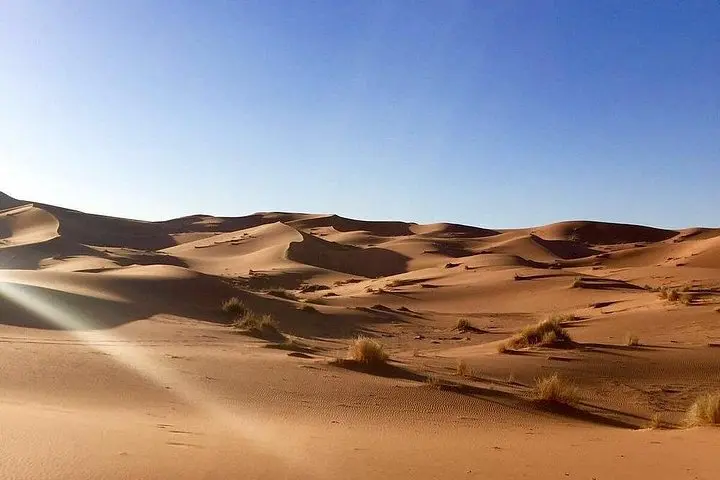
The road leaves Marrakech behind and climbs the Tizi n’Tichka, the High Atlas folding toward the sky as villages cling to the slopes. By afternoon you’ll be tracing kasbah-lined oases, past sun-bleached mud walls and palm shadows, until the dunes of Erg Chebbi rise like an orange sea daring you to cross them. Nights are wide and quiet: stars slide across the Sahara and the camp’s lamps puncture the dark.
The road leaves Marrakech behind and climbs the Tizi n’Tichka, the High Atlas folding toward the sky as villages cling to the slopes. By afternoon you’ll be tracing kasbah-lined oases, past sun-bleached mud walls and palm shadows, until the dunes of Erg Chebbi rise like an orange sea daring you to cross them. Nights are wide and quiet: stars slide across the Sahara and the camp’s lamps puncture the dark.
This route threads centuries of trade routes and Berber culture — from the caravan crossroads of Ait Ben Haddou (a UNESCO kasbah and frequent film location) through the Dades and Todra gorges carved into limestone and metamorphic rock. Geology reads as color and form here: folded High Atlas ridges, river-cut gorges and the wind-sculpted silhouettes of sand dunes. Local life centers on palm groves and small guesthouses where traditional hospitality meets modern comfort.
Practically: the tour packs long driving days with stops for short walks, market visits and a 1-hour camel transfer to a desert camp for sunset and sunrise rides. Expect sandy terrain, dusty village lanes, and occasional gravel roads. Hydrate often, wear layered clothes for hot days and cold desert nights, and choose sturdy shoes for short hikes and the rocky passes. Timing your visit outside midsummer reduces heat stress; winter mornings can be brisk. The trip suits travelers who want cultural stops, dramatic landscapes and the soft suspension of camel travel without heavy technical demands.