THE ADVENTURE COLLECTIVE® · Independent discovery and booking for outdoor travel

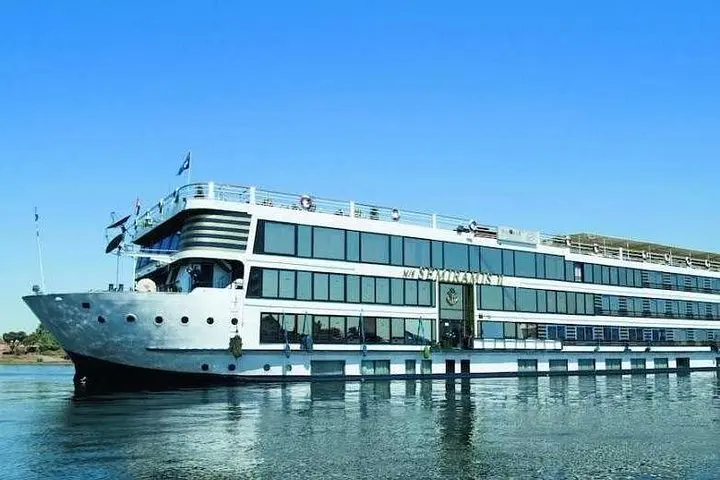
Cruise four days down the Nile from Aswan to Luxor, visiting Philae, Kom Ombo, Edfu, Karnak and the Valley of the Kings. This luxury itinerary pairs guided shore visits with comfortable nights aboard a five-star vessel.
Cruise four days down the Nile from Aswan to Luxor, visiting Philae, Kom Ombo, Edfu, Karnak and the Valley of the Kings. This luxury itinerary pairs guided shore visits with comfortable nights aboard a five-star vessel.
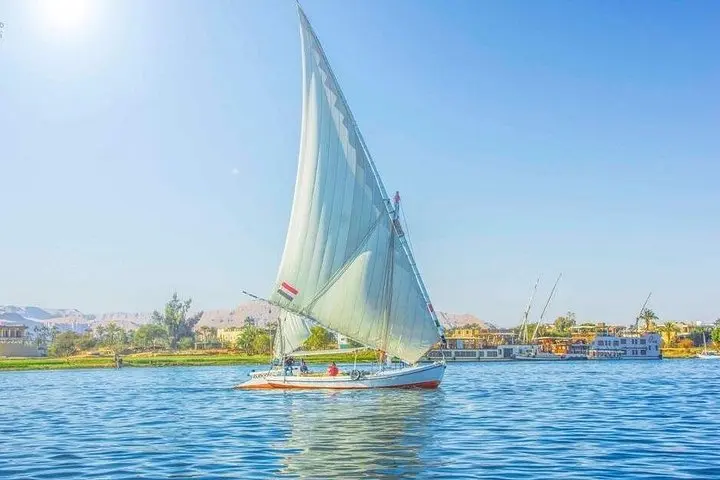
You wake before dawn on the Nile's deck as the river carries the boat away from Aswan's granite silhouette. A cool breeze pushes past the rail; fishing boats bob like punctuation marks on a glassy surface. The cruise settles into the slow, ancient rhythm that has moved traders and pilgrims for millennia.
Verified experiences and guided adventures in the surrounding area.
Operated by Nile Prince Travel · Aswan, Aswan Governorate
You wake before dawn on the Nile's deck as the river carries the boat away from Aswan's granite silhouette. A cool breeze pushes past the rail; fishing boats bob like punctuation marks on a glassy surface. The cruise settles into the slow, ancient rhythm that has moved traders and pilgrims for millennia.
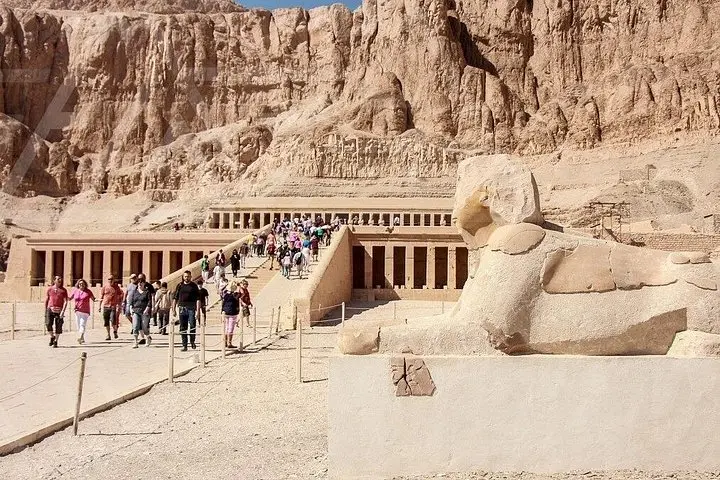
This four-day itinerary threads Egypt's long history into a compact sequence: Philae's island temple dedicated to Isis, Kom Ombo's dual sanctuaries to Sobek and Horus, the monumental hypostyle halls of Karnak, and the carved tombs of the Valley of the Kings. Geologically, the Nile corridor slices through Pharaonic-age bedrock and alluvial plains—the river's seasonal floods deposited the silt that supported early civilizations here.
Local culture is visible ashore: market stalls selling dates and spices, Nubian villages with painted houses, and guides whose storytelling layers modern life over 3,000-year-old sites. Conservation is active but visible wear at popular temples means timely planning and respectful behavior matter.
Practical guidance: pack lightweight, breathable clothing for daytime and a warm layer for cooler nights on deck. Shoes should be sturdy for uneven temple steps and sandy approaches. Bring sunscreen, a reusable water bottle, and photocopies of documents rather than originals. Expect guided shore excursions each day with moderate walking; some sites have stairs and uneven surfaces.
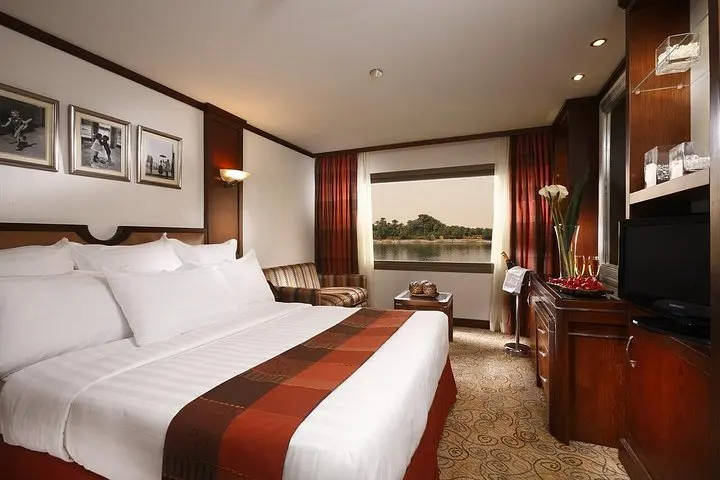
Timing tip: aim for the earliest guided tours to avoid midday heat and crowds. Carry local currency for small purchases and tipping; museum or special-tomb entries may require extra fees. The cruise offers a comfortable base—sleeping on the river lets you move between Egypt's most iconic archaeological zones without repeated hotel transfers.
Most visitors need a visa to enter Egypt; check your nationality's requirements and arrange a visa in advance or upon arrival where available.
Standard cruise inclusions cover guided tours and transfers, but some tombs or special exhibitions may require additional entrance fees paid on-site.
The tour lists wheelchair-accessible transport and some areas, but many ancient sites have steps and uneven ground—contact the operator to discuss specific accessibility needs.
Tipping is customary for guides, boat crew, and drivers; bring small-denomination Egyptian pounds and follow guidance from your lead guide for suggested amounts.
Nile Prince Travel operates guided outdoor trips and adventures with an emphasis on safety, stewardship, and memorable experiences.
You wake before dawn on the Nile's deck as the river carries the boat away from Aswan's granite silhouette. A cool breeze pushes past the rail; fishing boats bob like punctuation marks on a glassy surface. The cruise settles into the slow, ancient rhythm that has moved traders and pilgrims for millennia.
You wake before dawn on the Nile's deck as the river carries the boat away from Aswan's granite silhouette. A cool breeze pushes past the rail; fishing boats bob like punctuation marks on a glassy surface. The cruise settles into the slow, ancient rhythm that has moved traders and pilgrims for millennia.
This four-day itinerary threads Egypt's long history into a compact sequence: Philae's island temple dedicated to Isis, Kom Ombo's dual sanctuaries to Sobek and Horus, the monumental hypostyle halls of Karnak, and the carved tombs of the Valley of the Kings. Geologically, the Nile corridor slices through Pharaonic-age bedrock and alluvial plains—the river's seasonal floods deposited the silt that supported early civilizations here.
Local culture is visible ashore: market stalls selling dates and spices, Nubian villages with painted houses, and guides whose storytelling layers modern life over 3,000-year-old sites. Conservation is active but visible wear at popular temples means timely planning and respectful behavior matter.
Practical guidance: pack lightweight, breathable clothing for daytime and a warm layer for cooler nights on deck. Shoes should be sturdy for uneven temple steps and sandy approaches. Bring sunscreen, a reusable water bottle, and photocopies of documents rather than originals. Expect guided shore excursions each day with moderate walking; some sites have stairs and uneven surfaces.
Timing tip: aim for the earliest guided tours to avoid midday heat and crowds. Carry local currency for small purchases and tipping; museum or special-tomb entries may require extra fees. The cruise offers a comfortable base—sleeping on the river lets you move between Egypt's most iconic archaeological zones without repeated hotel transfers.