THE ADVENTURE COLLECTIVE® · Independent discovery and booking for outdoor travel

Sail the Nile in comfort and step straight into Egypt’s living history — from Aswan’s High Dam to Luxor’s Valley of the Kings. This 4-day luxury cruise pairs slow river time with guided temple visits and overnight train connections to Cairo.
Sail the Nile in comfort and step straight into Egypt’s living history — from Aswan’s High Dam to Luxor’s Valley of the Kings. This 4-day luxury cruise pairs slow river time with guided temple visits and overnight train connections to Cairo.
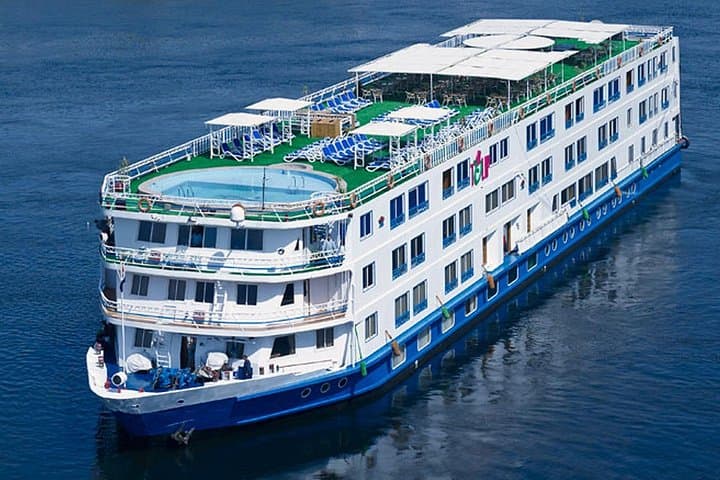
The Nile slides past at dawn like a slow decision — saffron light on water, feluccas drifting, and the cruise deck humming with the quiet of travellers who have seen temples rising from flat desert.
Verified experiences and guided adventures in the surrounding area.
Operated by Hola Egipto · Aswan, Aswan Governorate
The Nile slides past at dawn like a slow decision — saffron light on water, feluccas drifting, and the cruise deck humming with the quiet of travellers who have seen temples rising from flat desert.
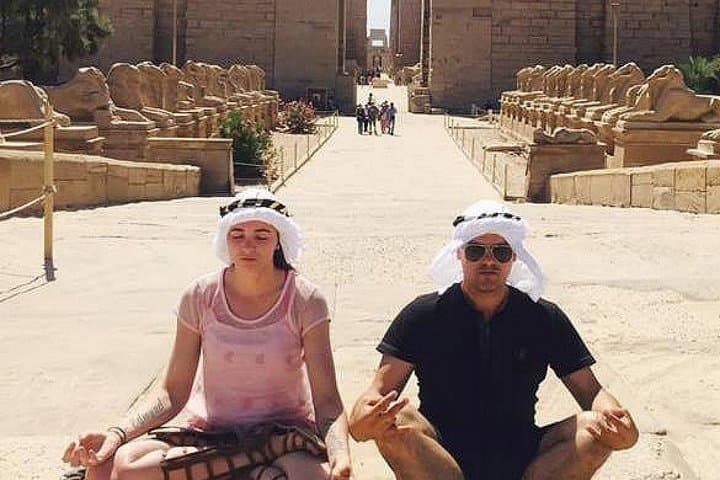
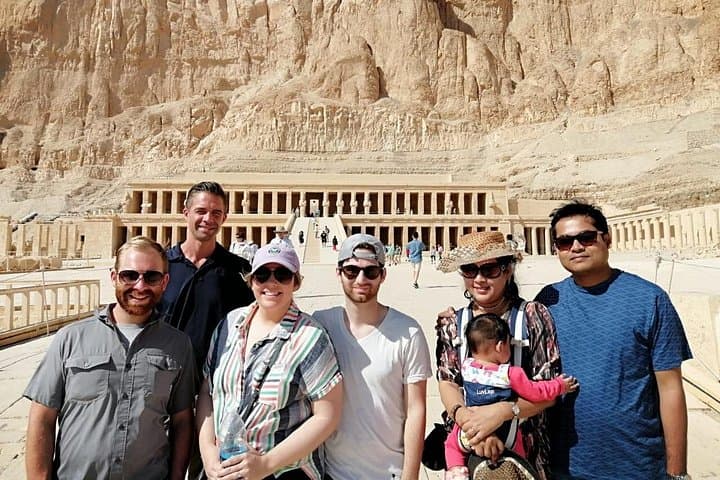
This four-day luxury cruise from Aswan to Luxor (with optional Abu Simbel) pairs calm river sailing with some of Egypt’s oldest stonework: High Dam engineering, Philae’s island temple, Kom Ombo’s dual sanctuaries, Edfu’s Horus temple and the necropolises on Luxor’s West Bank. Geologically the voyage follows a living corridor carved by a river that fed and focused pharaonic civilization; the Nile’s alluvial plain makes the surrounding desert suddenly productive and green.
Culturally, expect layered history — Pharaonic monuments, Coptic and Islamic touches in nearby towns, and a tourism economy shaped by seasonal river levels and train links to Cairo. Locals in Aswan and Luxor are used to guiding, bargaining and accommodating multi-lingual groups.
Practical guidance: bring sun protection, a reusable water bottle and comfortable walking shoes for uneven temple stones. Nights on board are relaxed — cabins in 5-star style, plus an overnight seated train option to link Cairo — but prepare for early starts and busy temple visits. If you opt for Abu Simbel, the optional early-morning transfer adds a long day but high payoff.
Hydrate often, carry small local currency for tips and purchases, and leave no trace at temple sites (no litter, minimal flash photography where restricted). The Nile will carry you between monumental quiet and crowded heritage sites; plan your pacing so you see both.
Most visitors require a visa; check your nationality’s entry requirements before travel and arrange an e-visa or visa on arrival where eligible.
Abu Simbel is offered as an optional early-morning excursion — it’s a long day and often adds transport costs, but rewards visitors with two of Egypt’s most dramatic temples.
The operator lists wheelchair accessibility for transfers, but temple sites have uneven terrain and limited accessibility; confirm specific assistance needs in advance.
Tipping is customary for guides, crew and drivers; carry small-denomination Egyptian pounds and tip according to service — guides often expect modest gratuities.
Hola Egipto operates guided outdoor trips and adventures with an emphasis on safety, stewardship, and memorable experiences.

The Nile slides past at dawn like a slow decision — saffron light on water, feluccas drifting, and the cruise deck humming with the quiet of travellers who have seen temples rising from flat desert.
The Nile slides past at dawn like a slow decision — saffron light on water, feluccas drifting, and the cruise deck humming with the quiet of travellers who have seen temples rising from flat desert.
This four-day luxury cruise from Aswan to Luxor (with optional Abu Simbel) pairs calm river sailing with some of Egypt’s oldest stonework: High Dam engineering, Philae’s island temple, Kom Ombo’s dual sanctuaries, Edfu’s Horus temple and the necropolises on Luxor’s West Bank. Geologically the voyage follows a living corridor carved by a river that fed and focused pharaonic civilization; the Nile’s alluvial plain makes the surrounding desert suddenly productive and green.
Culturally, expect layered history — Pharaonic monuments, Coptic and Islamic touches in nearby towns, and a tourism economy shaped by seasonal river levels and train links to Cairo. Locals in Aswan and Luxor are used to guiding, bargaining and accommodating multi-lingual groups.
Practical guidance: bring sun protection, a reusable water bottle and comfortable walking shoes for uneven temple stones. Nights on board are relaxed — cabins in 5-star style, plus an overnight seated train option to link Cairo — but prepare for early starts and busy temple visits. If you opt for Abu Simbel, the optional early-morning transfer adds a long day but high payoff.
Hydrate often, carry small local currency for tips and purchases, and leave no trace at temple sites (no litter, minimal flash photography where restricted). The Nile will carry you between monumental quiet and crowded heritage sites; plan your pacing so you see both.