THE ADVENTURE COLLECTIVE® · Independent discovery and booking for outdoor travel

Four days of big-sky wildlife from Nairobi: begin among the pink fringes of Lake Nakuru and end in the sweeping savannahs of Masai Mara. This luxury 4x4 safari mixes riverside adrenaline, rhino sightings, and lodge comfort.
Four days of big-sky wildlife from Nairobi: begin among the pink fringes of Lake Nakuru and end in the sweeping savannahs of Masai Mara. This luxury 4x4 safari mixes riverside adrenaline, rhino sightings, and lodge comfort.
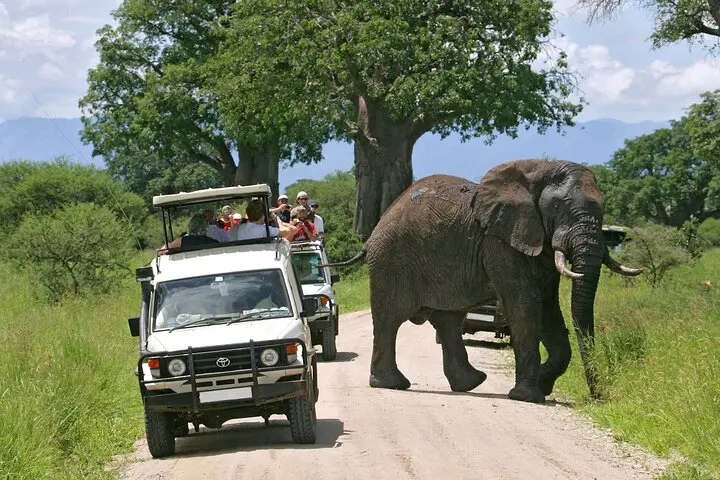
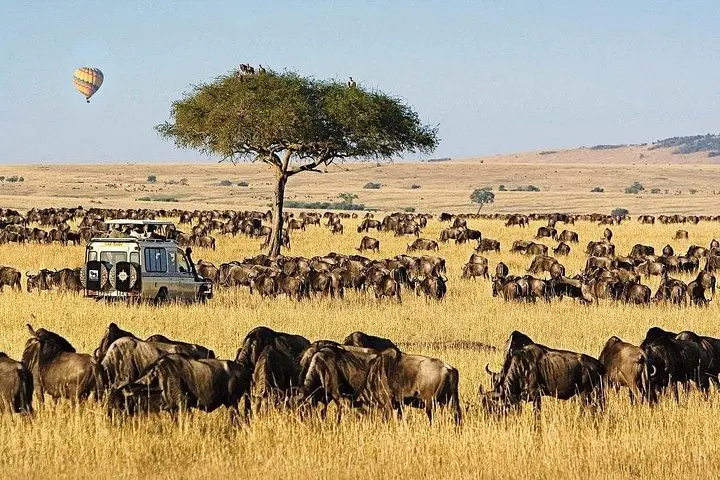
Dust rises in a long, sunflat ribbon as your 4x4 cracks onto the savannah road — the Great Rift Valley falling away to your left, acacia crowns pricked against a wide sky. On day one you sweep down into Lake Nakuru’s pink rim where flamingos feather the shallows and, if luck allows, rhinos ghost through thick bush. By day two the landscape opens into the Mara: rolling grass, kopjes, and river reed where wildebeest gather and crocodiles wait.
Verified experiences and guided adventures in the surrounding area.
Operated by Shagami Kenya Tours and Safaris · Nairobi, Nairobi County
Dust rises in a long, sunflat ribbon as your 4x4 cracks onto the savannah road — the Great Rift Valley falling away to your left, acacia crowns pricked against a wide sky. On day one you sweep down into Lake Nakuru’s pink rim where flamingos feather the shallows and, if luck allows, rhinos ghost through thick bush. By day two the landscape opens into the Mara: rolling grass, kopjes, and river reed where wildebeest gather and crocodiles wait.
This route threads geology and culture. The Rift Valley’s escarpments are volcanic in origin; its alkaline lakes, like Nakuru, concentrate minerals that attract vast birdlife. Masai Mara carries a living human history — the Maasai people’s grazing lands and oral traditions shape how wildlife moves across the plains.
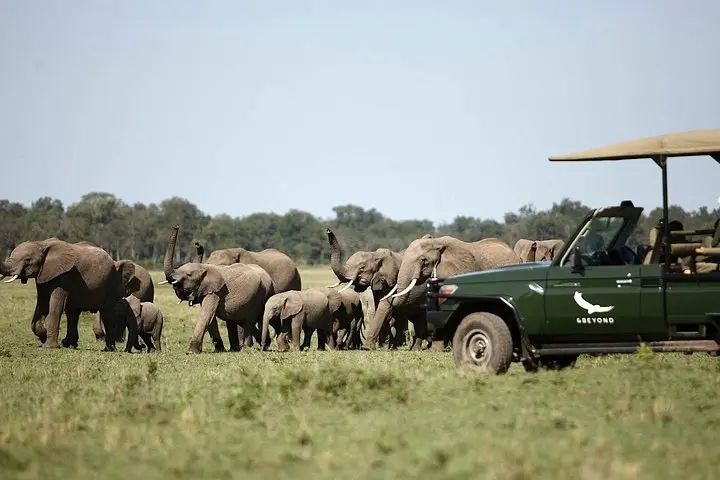
Expect long drives between parks (several hours each day), game drives at dawn and dusk, and lodge-based nights at Sopa-class properties. Wildlife highlights include the big five, abundant birds, and seasonal river crossings when the migration stages through the Mara River.
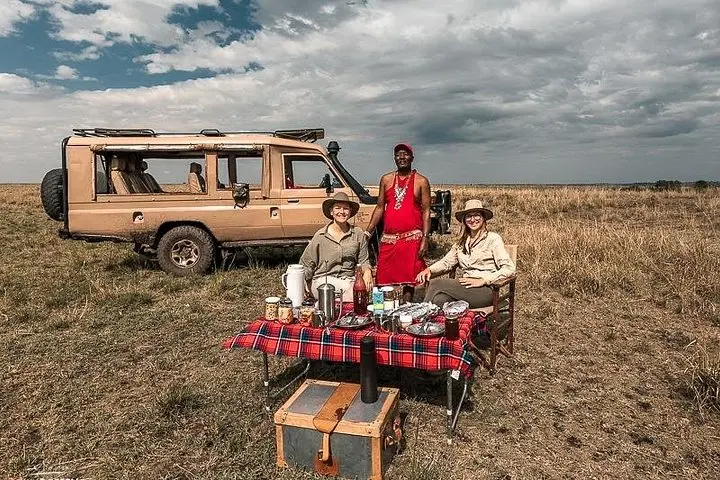
Practical notes: travel by purpose-modified 4x4 with an experienced guide; park entry and many meals are included per itinerary; bring binoculars, a charged camera, layered clothing for temperature swings, and anti-malarial advice from your clinician. Keep water, cash for tips, and respect park rules: stay inside the vehicle unless guided out, and minimize noise. Timing your trip during the migration (typically July–October in the Mara) increases the chance of river-crossing drama, while shoulder seasons offer quieter viewing and migrant shorebird concentrations at Nakuru.
The itinerary lists admissions included for the parks visited; confirm specific fees and any optional activities with the operator before travel.
River crossings in the Masai Mara typically peak July–October, though timing varies annually; other months still offer excellent resident wildlife viewing.
Lodges listed are Sopa-class or similar—comfortable lodge rooms with meals included as specified in the itinerary.
Visitors to Kenya often require a visa and routine vaccinations; check current entry requirements and seek medical advice for malaria prophylaxis and recommended immunizations.
Shagami Kenya Tours and Safaris operates guided outdoor trips and adventures with an emphasis on safety, stewardship, and memorable experiences.
Dust rises in a long, sunflat ribbon as your 4x4 cracks onto the savannah road — the Great Rift Valley falling away to your left, acacia crowns pricked against a wide sky. On day one you sweep down into Lake Nakuru’s pink rim where flamingos feather the shallows and, if luck allows, rhinos ghost through thick bush. By day two the landscape opens into the Mara: rolling grass, kopjes, and river reed where wildebeest gather and crocodiles wait.
Dust rises in a long, sunflat ribbon as your 4x4 cracks onto the savannah road — the Great Rift Valley falling away to your left, acacia crowns pricked against a wide sky. On day one you sweep down into Lake Nakuru’s pink rim where flamingos feather the shallows and, if luck allows, rhinos ghost through thick bush. By day two the landscape opens into the Mara: rolling grass, kopjes, and river reed where wildebeest gather and crocodiles wait.
This route threads geology and culture. The Rift Valley’s escarpments are volcanic in origin; its alkaline lakes, like Nakuru, concentrate minerals that attract vast birdlife. Masai Mara carries a living human history — the Maasai people’s grazing lands and oral traditions shape how wildlife moves across the plains.
Expect long drives between parks (several hours each day), game drives at dawn and dusk, and lodge-based nights at Sopa-class properties. Wildlife highlights include the big five, abundant birds, and seasonal river crossings when the migration stages through the Mara River.
Practical notes: travel by purpose-modified 4x4 with an experienced guide; park entry and many meals are included per itinerary; bring binoculars, a charged camera, layered clothing for temperature swings, and anti-malarial advice from your clinician. Keep water, cash for tips, and respect park rules: stay inside the vehicle unless guided out, and minimize noise. Timing your trip during the migration (typically July–October in the Mara) increases the chance of river-crossing drama, while shoulder seasons offer quieter viewing and migrant shorebird concentrations at Nakuru.