THE ADVENTURE COLLECTIVE® · Independent discovery and booking for outdoor travel

A four-day small-group tour that threads Zion, Bryce, Monument Valley, Arches, Antelope Canyon, Horseshoe Bend, Lake Powell and the Grand Canyon into a comfortable, guided loop from Las Vegas. Premium transport, bilingual guides, and Starlink Wi‑Fi make long drives feel easy while focused stops maximize morning and evening light.
A four-day small-group tour that threads Zion, Bryce, Monument Valley, Arches, Antelope Canyon, Horseshoe Bend, Lake Powell and the Grand Canyon into a comfortable, guided loop from Las Vegas. Premium transport, bilingual guides, and Starlink Wi‑Fi make long drives feel easy while focused stops maximize morning and evening light.
The van eases out of Las Vegas before dawn, city lights sliding into desert black as a high-roof business van hummed with quiet conversation. Leather recliners and Starlink Wi‑Fi soften the long hours between parks, but the landscape insists on being noticed: cliffs that climb like slow-motion eruptions, river water cutting a hard green line through rust-colored stone, and canyons that funnel light into theatrical shafts.
Verified experiences and guided adventures in the surrounding area.
Operated by VIPTOUR · Las Vegas, Nevada
The van eases out of Las Vegas before dawn, city lights sliding into desert black as a high-roof business van hummed with quiet conversation. Leather recliners and Starlink Wi‑Fi soften the long hours between parks, but the landscape insists on being noticed: cliffs that climb like slow-motion eruptions, river water cutting a hard green line through rust-colored stone, and canyons that funnel light into theatrical shafts.
This four-day loop moves fast but deliberately. Guides translate geology into plain English—how the Colorado River carved the Grand Canyon over millions of years, how wind and water sculpted the hoodoos in Bryce, and why Antelope Canyon’s narrow corridors ripple like frozen waves. The route also traces human history: Navajo country around Monument Valley and Page; Ancestral Puebloan and settler-era sites punctuate the map. Local guides explain Navajo permitting and the importance of staying on designated paths.
You’ll see dramatic elevation shifts: desert basins up to Bryce’s rim at roughly 8,000 feet, then back down to sandstone flats. Terrain alternates between paved outlooks and short, uneven walks—cliff-edge overlooks, carved amphitheaters, and the shallow sand at Horseshoe Bend.
Practical details matter on a trip like this. Expect a small-group rhythm—limited to ten passengers—so stops are timed for light and crowds. Typical drives: about 2–3 hours to Zion from Las Vegas, 1–2 hours to Bryce, then longer stretches toward Monument Valley and Arches (plan on several hours between major parks). Guides handle reservations and timing, including Antelope Canyon’s strict camera and tripod rules.
For timing, early mornings and late afternoons are best: sunrise softens Bryce’s hoodoos, while Antelope’s beams are strongest midday under clear skies. Summers bring intense heat and a monsoon risk—slot canyons can flash flood; guides monitor conditions constantly. Winters can dust Bryce and wash mesas with cold clarity; bring layers.
Comfort is part of the package—premium vehicle, bottled water, snacks, binoculars, and three breakfasts plus hotel stays. Still, bring sturdy shoes for short hikes, sun protection, a refillable water bottle, and a compact daypack. Cameras will be busy: handheld or small monopods work for most sites, but note Antelope’s tripod ban.
This is a curated sprint through some of the Southwest’s most photographed landscapes: intimate, efficient, and paced by light. It’s ideal for travelers who want a concentrated, low-friction way to cross iconic parks off a list while learning about the land and the people who steward it.
Pick-up and drop-off are at select Las Vegas hotels; exact pickup time is confirmed by your guide one day before departure.
Admission to several parks is included per itinerary notes; check your booking confirmation for specific entries and any optional extras like a helicopter flight.
Yes—this tour is rated accessible to most fitness levels, but it’s not recommended for people with serious back or heart conditions; infant seats are available on request.
Tripods and monopods are prohibited in Antelope Canyon; they may be used at other viewpoints but obey local regulations and guide instructions.
The operator may cancel or alter the itinerary for safety (flash floods, snow); cancellations follow the stated refund policy based on timing.
Expect short walks from parking areas to overlooks (10–45 minutes on uneven ground) rather than long day hikes—comfortable walking ability is sufficient.
VIPTOUR operates guided outdoor trips and adventures with an emphasis on safety, stewardship, and memorable experiences.
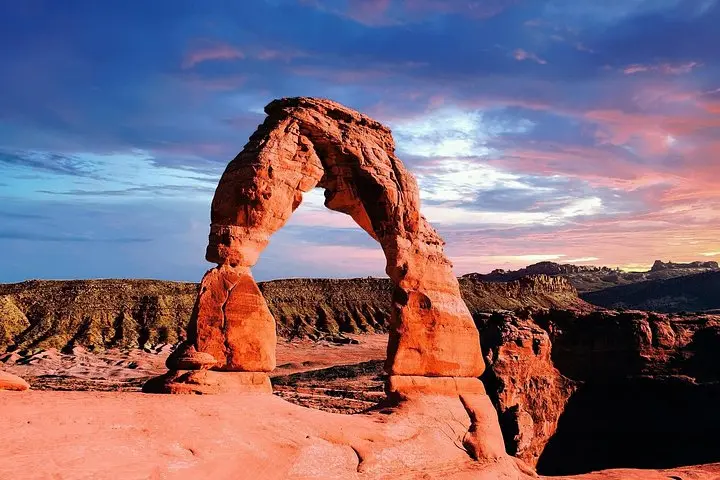
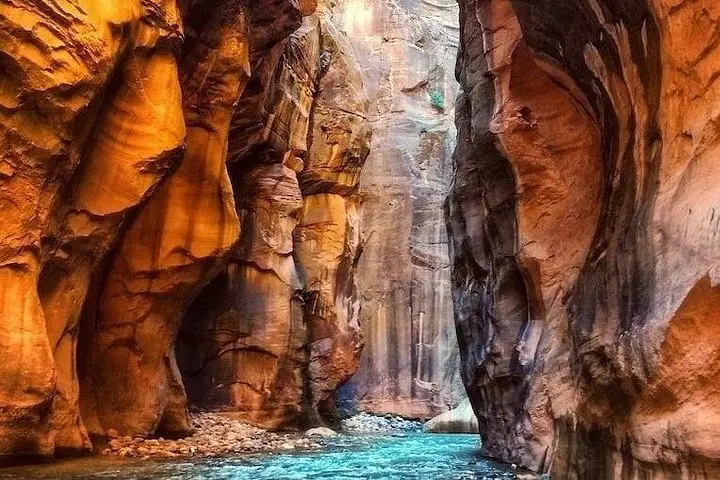
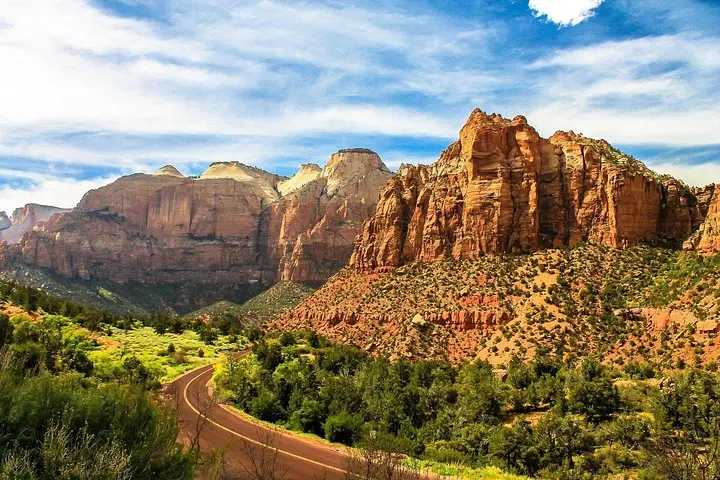
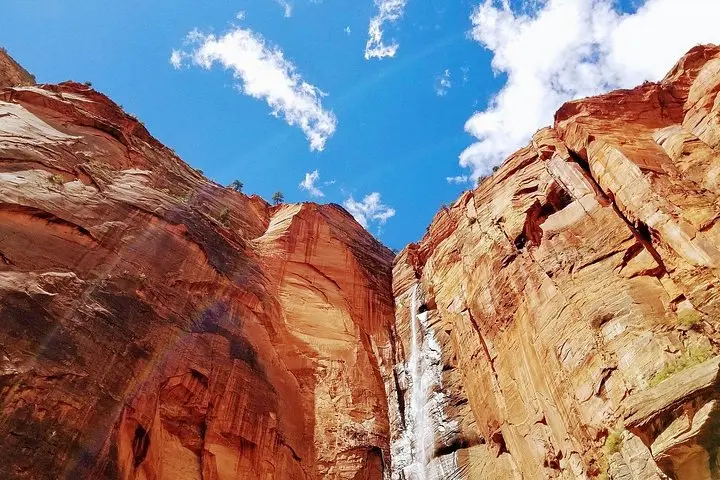
The van eases out of Las Vegas before dawn, city lights sliding into desert black as a high-roof business van hummed with quiet conversation. Leather recliners and Starlink Wi‑Fi soften the long hours between parks, but the landscape insists on being noticed: cliffs that climb like slow-motion eruptions, river water cutting a hard green line through rust-colored stone, and canyons that funnel light into theatrical shafts.
The van eases out of Las Vegas before dawn, city lights sliding into desert black as a high-roof business van hummed with quiet conversation. Leather recliners and Starlink Wi‑Fi soften the long hours between parks, but the landscape insists on being noticed: cliffs that climb like slow-motion eruptions, river water cutting a hard green line through rust-colored stone, and canyons that funnel light into theatrical shafts.
This four-day loop moves fast but deliberately. Guides translate geology into plain English—how the Colorado River carved the Grand Canyon over millions of years, how wind and water sculpted the hoodoos in Bryce, and why Antelope Canyon’s narrow corridors ripple like frozen waves. The route also traces human history: Navajo country around Monument Valley and Page; Ancestral Puebloan and settler-era sites punctuate the map. Local guides explain Navajo permitting and the importance of staying on designated paths.
You’ll see dramatic elevation shifts: desert basins up to Bryce’s rim at roughly 8,000 feet, then back down to sandstone flats. Terrain alternates between paved outlooks and short, uneven walks—cliff-edge overlooks, carved amphitheaters, and the shallow sand at Horseshoe Bend.
Practical details matter on a trip like this. Expect a small-group rhythm—limited to ten passengers—so stops are timed for light and crowds. Typical drives: about 2–3 hours to Zion from Las Vegas, 1–2 hours to Bryce, then longer stretches toward Monument Valley and Arches (plan on several hours between major parks). Guides handle reservations and timing, including Antelope Canyon’s strict camera and tripod rules.
For timing, early mornings and late afternoons are best: sunrise softens Bryce’s hoodoos, while Antelope’s beams are strongest midday under clear skies. Summers bring intense heat and a monsoon risk—slot canyons can flash flood; guides monitor conditions constantly. Winters can dust Bryce and wash mesas with cold clarity; bring layers.
Comfort is part of the package—premium vehicle, bottled water, snacks, binoculars, and three breakfasts plus hotel stays. Still, bring sturdy shoes for short hikes, sun protection, a refillable water bottle, and a compact daypack. Cameras will be busy: handheld or small monopods work for most sites, but note Antelope’s tripod ban.
This is a curated sprint through some of the Southwest’s most photographed landscapes: intimate, efficient, and paced by light. It’s ideal for travelers who want a concentrated, low-friction way to cross iconic parks off a list while learning about the land and the people who steward it.