THE ADVENTURE COLLECTIVE® · Independent discovery and booking for outdoor travel

Sleep low and see high: this four-day program uses Aguas Calientes as an altitude buffer to make Machu Picchu accessible without the climb to Cusco’s heights. Explore the Sacred Valley’s key Inca sites with guided interpretation and practical transport between points.
Sleep low and see high: this four-day program uses Aguas Calientes as an altitude buffer to make Machu Picchu accessible without the climb to Cusco’s heights. Explore the Sacred Valley’s key Inca sites with guided interpretation and practical transport between points.
You step off the train into Aguas Calientes as mist lifts from the Vilcanota River and the air feels distinctly softer than Cusco. The town hums with post-journey energy—market stalls, steaming cups of coca tea, and the steady foot traffic that services visitors bound for the citadel above.
Verified experiences and guided adventures in the surrounding area.
Operated by Machupicchu Latin America · Aguas Calientes, Cusco Region
You step off the train into Aguas Calientes as mist lifts from the Vilcanota River and the air feels distinctly softer than Cusco. The town hums with post-journey energy—market stalls, steaming cups of coca tea, and the steady foot traffic that services visitors bound for the citadel above.
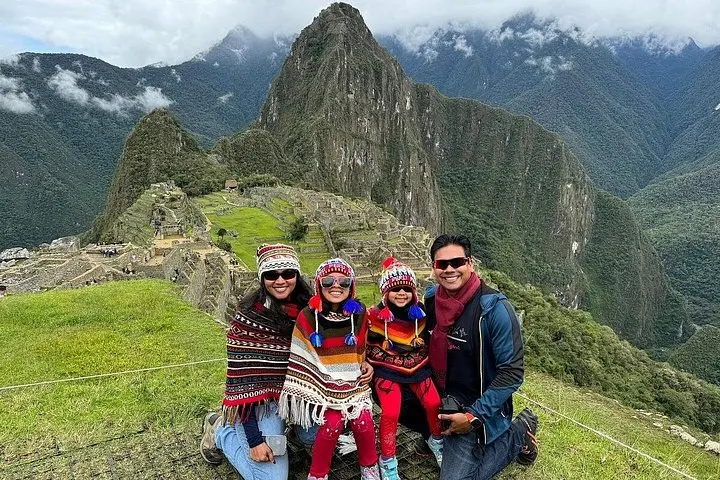
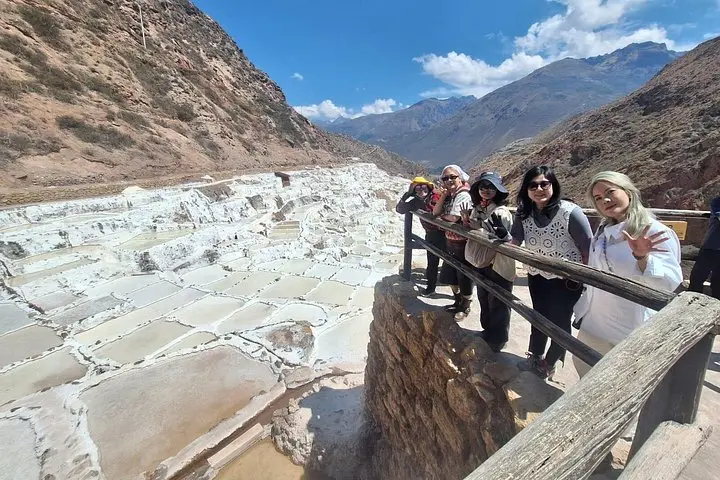
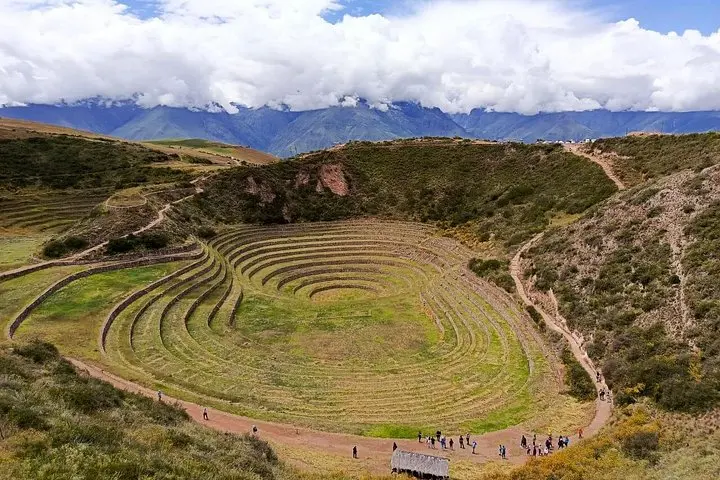
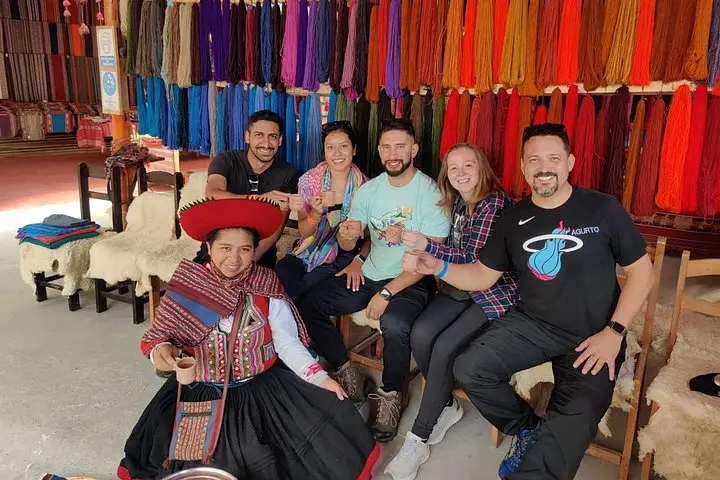
This four-day program stages Machu Picchu as a morning revelation: sleep low in Aguas Calientes (~2,040 m), ride the 30-minute bus up to Machu Picchu (2,430 m) at first light, then return to lower elevations to limit altitude strain. Over the following days the route threads the Sacred Valley—Ollantaytambo’s stepped fortress, the concentric agricultural experiment of Moray (~3,500 m), the tessellated pans of the Maras salt mines, and Chinchero’s living textile traditions—each site rooted in Inca engineering and colonial-era change.
Terrain is varied: cobbled Inca stairways, compacted dirt tracks, short paved stretches, and station platforms. Expect light to moderate walking—guided tours at Machu Picchu typically last 2–3 hours with uneven stone surfaces and short steep sections. Travel between points is by road and rail; the Ollantaytambo train leg follows the Vilcanota River through deep valley walls.
Practicalities: carry layered clothing (temperatures swing quickly), waterproof outerwear, a daypack with water and snacks, and sturdy walking shoes with good grip. Plan for early starts to avoid crowds and bring a photocopy of your passport (original required for entry). Respect local customs at textile centers and minimize single-use plastics—these landscapes are fragile and popular. With modest conditioning and the right kit, this itinerary delivers cultural depth with a measured approach to altitude.
This program reduces risk by placing the first night in lower-elevation Aguas Calientes (~2,040 m) and keeping active time at Machu Picchu (~2,430 m) limited; however, individual reactions vary—stay hydrated and consult a doctor if you have concerns.
Yes: all admission tickets including Machu Picchu and round-trip train and bus tickets specified in the itinerary are included in the tour price.
Guided visits typically last about 2–3 hours, with time allotted for photos and viewpoints before returning to Aguas Calientes or traveling on to Ollantaytambo.
Bring small-denomination Peruvian soles for crafts, a respectful attitude when photographing locals, and ask permission before taking portraits of artisans.
Machupicchu Latin America operates guided outdoor trips and adventures with an emphasis on safety, stewardship, and memorable experiences.
You step off the train into Aguas Calientes as mist lifts from the Vilcanota River and the air feels distinctly softer than Cusco. The town hums with post-journey energy—market stalls, steaming cups of coca tea, and the steady foot traffic that services visitors bound for the citadel above.
You step off the train into Aguas Calientes as mist lifts from the Vilcanota River and the air feels distinctly softer than Cusco. The town hums with post-journey energy—market stalls, steaming cups of coca tea, and the steady foot traffic that services visitors bound for the citadel above.
This four-day program stages Machu Picchu as a morning revelation: sleep low in Aguas Calientes (~2,040 m), ride the 30-minute bus up to Machu Picchu (2,430 m) at first light, then return to lower elevations to limit altitude strain. Over the following days the route threads the Sacred Valley—Ollantaytambo’s stepped fortress, the concentric agricultural experiment of Moray (~3,500 m), the tessellated pans of the Maras salt mines, and Chinchero’s living textile traditions—each site rooted in Inca engineering and colonial-era change.
Terrain is varied: cobbled Inca stairways, compacted dirt tracks, short paved stretches, and station platforms. Expect light to moderate walking—guided tours at Machu Picchu typically last 2–3 hours with uneven stone surfaces and short steep sections. Travel between points is by road and rail; the Ollantaytambo train leg follows the Vilcanota River through deep valley walls.
Practicalities: carry layered clothing (temperatures swing quickly), waterproof outerwear, a daypack with water and snacks, and sturdy walking shoes with good grip. Plan for early starts to avoid crowds and bring a photocopy of your passport (original required for entry). Respect local customs at textile centers and minimize single-use plastics—these landscapes are fragile and popular. With modest conditioning and the right kit, this itinerary delivers cultural depth with a measured approach to altitude.