THE ADVENTURE COLLECTIVE® · Independent discovery and booking for outdoor travel

A four-day descent from Cusco into Manu National Park delivers dawn bird displays, canoe trips to oxbow lagoons, and nights in rustic jungle lodges—an immersive wildlife experience balanced with straightforward logistics.
A four-day descent from Cusco into Manu National Park delivers dawn bird displays, canoe trips to oxbow lagoons, and nights in rustic jungle lodges—an immersive wildlife experience balanced with straightforward logistics.
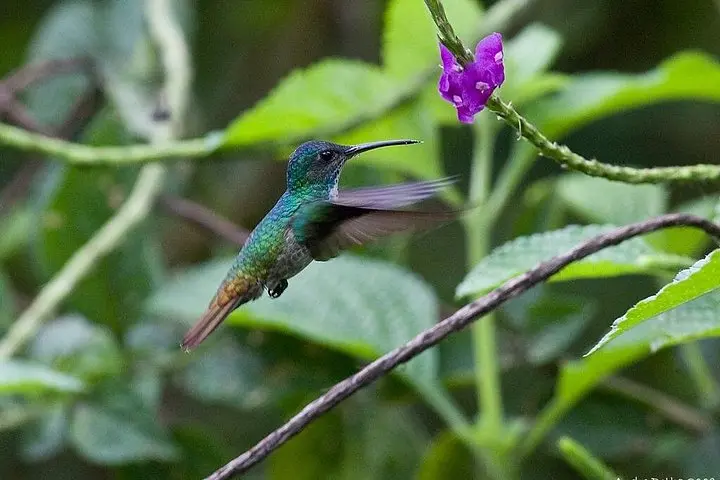
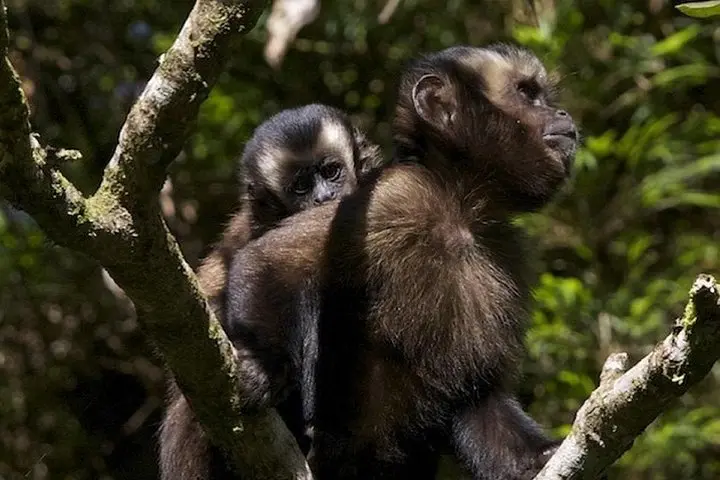
The bus leaves Cusco before dawn and the Andes loosen their grip as cloud forest folds into true Amazon heat; steam rises off the river and the forest seems to breathe around you. On day one you drop from high puna into orchids and bromeliads, arriving at a rustic lodge in Manu’s cultural zone where night sounds—frogs, insects, distant monkey calls—announce the real work of the trip: wildlife watching.
Verified experiences and guided adventures in the surrounding area.
Operated by Tangol · Cusco, Cusco Region
The bus leaves Cusco before dawn and the Andes loosen their grip as cloud forest folds into true Amazon heat; steam rises off the river and the forest seems to breathe around you. On day one you drop from high puna into orchids and bromeliads, arriving at a rustic lodge in Manu’s cultural zone where night sounds—frogs, insects, distant monkey calls—announce the real work of the trip: wildlife watching.
Manu National Park, created in 1973 and designated a UNESCO Biosphere Reserve in 1977, spans Andean foothills to Amazon lowlands. Geology shifts quickly here: steep, eroded Andean slopes give way to alluvial plains and oxbow lagoons carved by the Alto Madre de Dios. Culturally, the corridor includes small Quechua and mestizo towns like Paucartambo and Pilcopata, where river transport and subsistence agriculture meet conservation priorities.
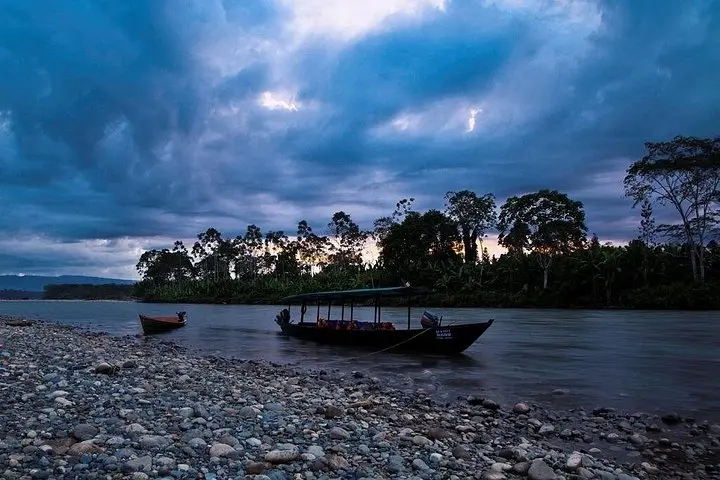
Expect guided dawn excursions for cock-of-the-rocks in the cloud forest, boat rides to macaw clay licks, canoe paddles on Machuwasi lagoon, and nocturnal insect hunts. Lodges (Orquideas de San Pedro, Erika Lodge) sit in the cultural zone—comfortable but rustic—and trails are often unpaved and muddy.
Practical notes: altitude drops rapidly from Cusco—plan for travel-day fatigue—bring waterproof long sleeves, strong insect repellent, binoculars, and a reliable headlamp. Hydrate, pack light and secure valuables in provided safety boxes. If you’re considering optional rafting or longer hikes, check fitness and footwear; group sizes are small and domestic logistics (boats, transfers) dictate strict schedules. The park’s zoning protects core habitat—follow guides' rules and leave no trace to help keep Manu wild for future visitors.
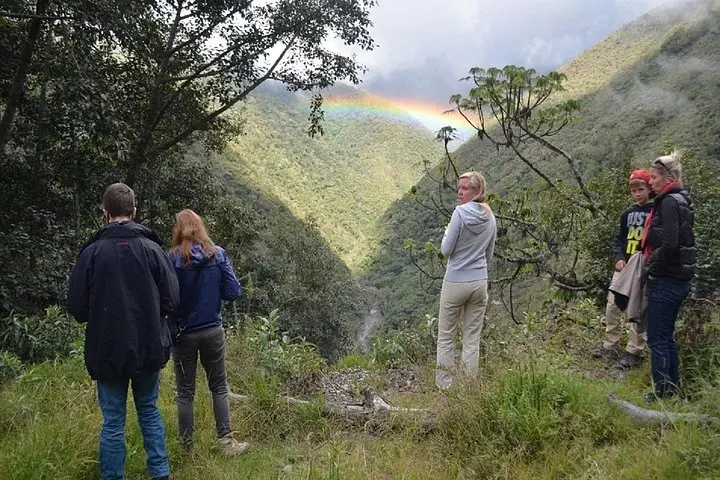
Daily walks are short to moderate on unpaved trails; the trip involves long transport segments but is suitable for most active travelers who can handle uneven terrain.
Consult a travel clinic for recommended immunizations (e.g., yellow fever) and malaria advice—requirements and recommendations vary by traveler and health history.
Wildlife sightings can’t be guaranteed, but early-morning visits to known macaw clay licks significantly increase the chance of seeing macaws and parrots.
Operators typically allow one suitcase per person and recommend packing in soft bags for boat transport; valuables can be stored in lodge safety boxes provided.
Tangol operates guided outdoor trips and adventures with an emphasis on safety, stewardship, and memorable experiences.
The bus leaves Cusco before dawn and the Andes loosen their grip as cloud forest folds into true Amazon heat; steam rises off the river and the forest seems to breathe around you. On day one you drop from high puna into orchids and bromeliads, arriving at a rustic lodge in Manu’s cultural zone where night sounds—frogs, insects, distant monkey calls—announce the real work of the trip: wildlife watching.
The bus leaves Cusco before dawn and the Andes loosen their grip as cloud forest folds into true Amazon heat; steam rises off the river and the forest seems to breathe around you. On day one you drop from high puna into orchids and bromeliads, arriving at a rustic lodge in Manu’s cultural zone where night sounds—frogs, insects, distant monkey calls—announce the real work of the trip: wildlife watching.
Manu National Park, created in 1973 and designated a UNESCO Biosphere Reserve in 1977, spans Andean foothills to Amazon lowlands. Geology shifts quickly here: steep, eroded Andean slopes give way to alluvial plains and oxbow lagoons carved by the Alto Madre de Dios. Culturally, the corridor includes small Quechua and mestizo towns like Paucartambo and Pilcopata, where river transport and subsistence agriculture meet conservation priorities.
Expect guided dawn excursions for cock-of-the-rocks in the cloud forest, boat rides to macaw clay licks, canoe paddles on Machuwasi lagoon, and nocturnal insect hunts. Lodges (Orquideas de San Pedro, Erika Lodge) sit in the cultural zone—comfortable but rustic—and trails are often unpaved and muddy.
Practical notes: altitude drops rapidly from Cusco—plan for travel-day fatigue—bring waterproof long sleeves, strong insect repellent, binoculars, and a reliable headlamp. Hydrate, pack light and secure valuables in provided safety boxes. If you’re considering optional rafting or longer hikes, check fitness and footwear; group sizes are small and domestic logistics (boats, transfers) dictate strict schedules. The park’s zoning protects core habitat—follow guides' rules and leave no trace to help keep Manu wild for future visitors.