THE ADVENTURE COLLECTIVE® · Independent discovery and booking for outdoor travel

A quiet, four-day private trek from Pokhara to Mardi Himal Base Camp that climbs from rhododendron forest to alpine ridgelines. Expect steep, rewarding ascents, tea-house nights, and close-up views of Machhapuchhre and the Annapurna range.
A quiet, four-day private trek from Pokhara to Mardi Himal Base Camp that climbs from rhododendron forest to alpine ridgelines. Expect steep, rewarding ascents, tea-house nights, and close-up views of Machhapuchhre and the Annapurna range.
Dawn breaks over Pokhara and the road to Kade threads upward through terraced hills; the city slips below like a map as trekkers climb into a soft, rhododendron-dark forest.
Verified experiences and guided adventures in the surrounding area.
Operated by Trip Pokhara Pvt. Ltd · Pokhara, Gandaki Province
Dawn breaks over Pokhara and the road to Kade threads upward through terraced hills; the city slips below like a map as trekkers climb into a soft, rhododendron-dark forest.
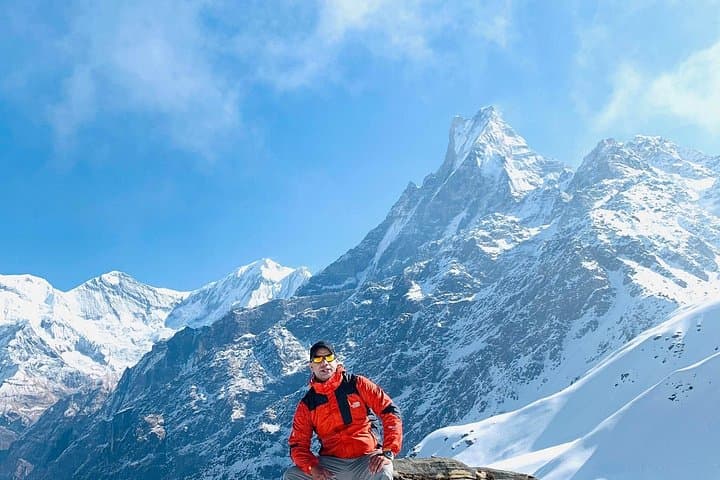
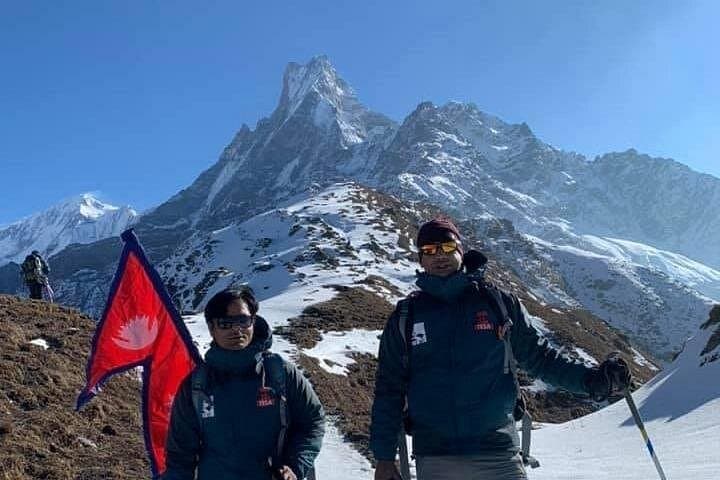
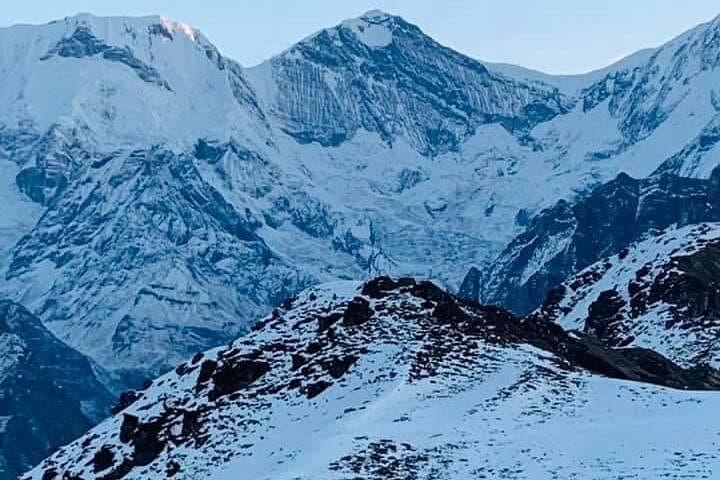
The four-day Mardi Himal circuit trades crowds for quiet ridgelines. The route moves from subtropical flank to moss-draped oak and rhododendron, then above the treeline into alpine grasslands where Machhapuchhre (Fishtail) and Annapurna’s serrated faces press close. Geologically, the march is across young Himalayan thrusts — steep valleys carved by glacial action, abrupt treelines, and wind-swept moraine plates that reveal compacted glacial till and jagged limestone outcrops.
Culturally the trail skirts Gurung villages and tea houses; local guides share stories of seasonal yak pastures and festivals that time planting and harvest to monsoon and winter. The trail’s quieter status makes wildlife sightings — Himalayan tahr, barking deer, and the occasional snow leopard track — more likely.
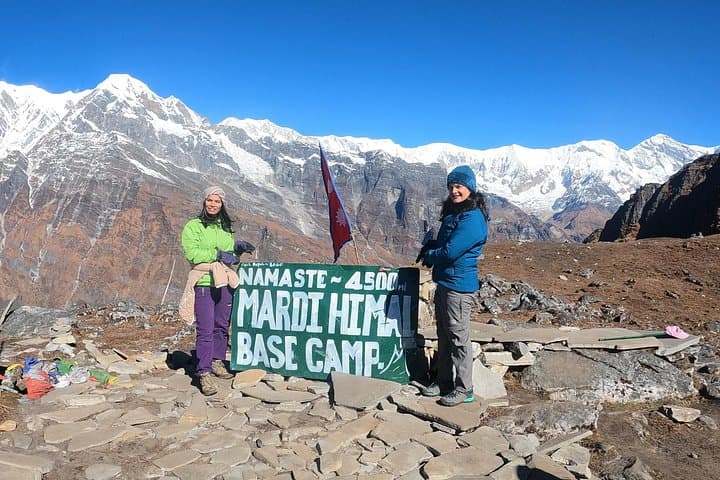
Practical guidance matters: expect 4 days with daily walking from 4 to 8 hours, maximum altitude near 4,500 m at Mardi Base Camp and High Camp at about 3,780 m. Trail surfaces vary from packed dirt to rocky scree and steep switchbacks. Weather can flip from clear light to biting wind; layers and a waterproof shell are essential. Tea house accommodation is basic but warm; bring a lightweight sleeping liner and a small hot-water tip for chilly nights.
Plan extra time in Pokhara for acclimatization, drink plenty of water, and move steadily on steep sections. The reward is immediate: peaks that seem to step forward as you climb, and a rare silence that the mountains themselves keep.
The excursion approaches Mardi Himal Base Camp around 4,500 m, with High Camp at roughly 3,780 m—expect thinner air and colder nights.
Yes; nights are spent in local tea houses (simple shared rooms); meals are provided per the itinerary.
This is a private guided tour—local guides and porters handle navigation, permits, and logistics, which is recommended for safety and local knowledge.
Participants should have a moderate fitness level able to hike 4–8 hours on steep and uneven terrain for several consecutive days.
Trip Pokhara Pvt. Ltd operates guided outdoor trips and adventures with an emphasis on safety, stewardship, and memorable experiences.
Dawn breaks over Pokhara and the road to Kade threads upward through terraced hills; the city slips below like a map as trekkers climb into a soft, rhododendron-dark forest.
Dawn breaks over Pokhara and the road to Kade threads upward through terraced hills; the city slips below like a map as trekkers climb into a soft, rhododendron-dark forest.
The four-day Mardi Himal circuit trades crowds for quiet ridgelines. The route moves from subtropical flank to moss-draped oak and rhododendron, then above the treeline into alpine grasslands where Machhapuchhre (Fishtail) and Annapurna’s serrated faces press close. Geologically, the march is across young Himalayan thrusts — steep valleys carved by glacial action, abrupt treelines, and wind-swept moraine plates that reveal compacted glacial till and jagged limestone outcrops.
Culturally the trail skirts Gurung villages and tea houses; local guides share stories of seasonal yak pastures and festivals that time planting and harvest to monsoon and winter. The trail’s quieter status makes wildlife sightings — Himalayan tahr, barking deer, and the occasional snow leopard track — more likely.
Practical guidance matters: expect 4 days with daily walking from 4 to 8 hours, maximum altitude near 4,500 m at Mardi Base Camp and High Camp at about 3,780 m. Trail surfaces vary from packed dirt to rocky scree and steep switchbacks. Weather can flip from clear light to biting wind; layers and a waterproof shell are essential. Tea house accommodation is basic but warm; bring a lightweight sleeping liner and a small hot-water tip for chilly nights.
Plan extra time in Pokhara for acclimatization, drink plenty of water, and move steadily on steep sections. The reward is immediate: peaks that seem to step forward as you climb, and a rare silence that the mountains themselves keep.