THE ADVENTURE COLLECTIVE® · Independent discovery and booking for outdoor travel

A concise four-day loop from Nairobi into Masai Mara and Lake Nakuru that pairs Great Migration spectacle with rhino-rich lakeside habitat. Expect game drives, optional Maasai village visits, and varied terrain from rift escarpments to flamingo-lined shores.
A concise four-day loop from Nairobi into Masai Mara and Lake Nakuru that pairs Great Migration spectacle with rhino-rich lakeside habitat. Expect game drives, optional Maasai village visits, and varied terrain from rift escarpments to flamingo-lined shores.
Dawn breaks over the Masai Mara in a wash of ochre and gold, and the land wakes in low, deliberate motion: wildebeest flow across the plains like a slow, determined tide while a lone lion lifts its head from tall grass.
Verified experiences and guided adventures in the surrounding area.
Operated by Wild Streamer Tours & Travel Safaris · Masai Mara, Narok County
Dawn breaks over the Masai Mara in a wash of ochre and gold, and the land wakes in low, deliberate motion: wildebeest flow across the plains like a slow, determined tide while a lone lion lifts its head from tall grass.
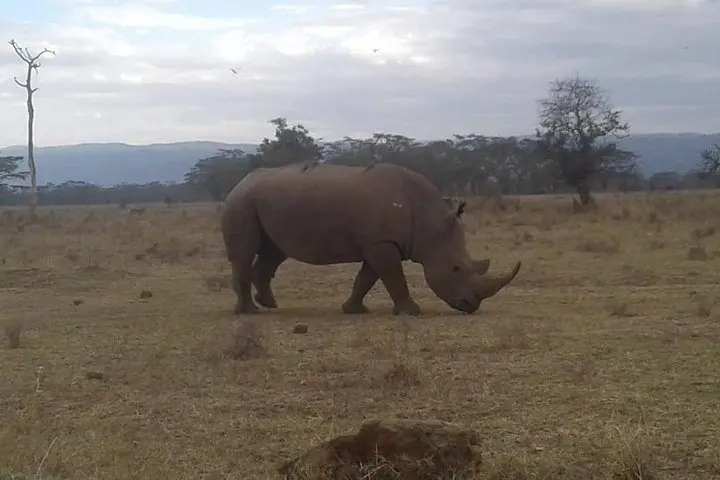
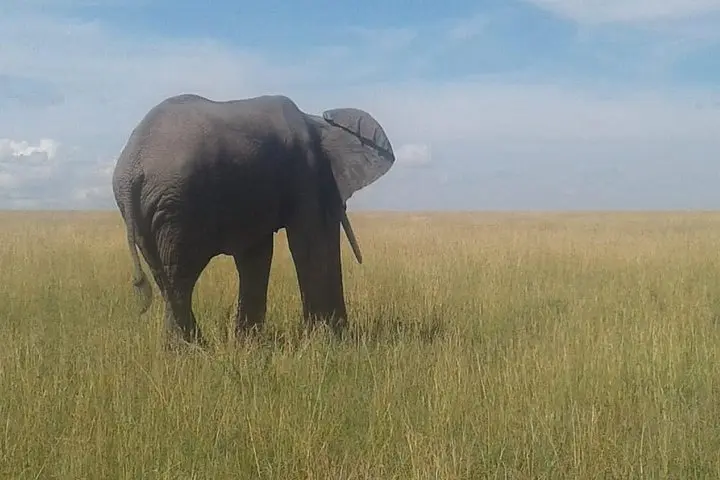
This four-day loop carries travelers from Nairobi across the escarpments of the Great Rift Valley into Masai Mara National Reserve — a section of the greater Serengeti ecosystem famed for its river crossings during the Great Migration — then west to Lake Nakuru, a smaller but ecologically vital park renowned for resident white rhino and large flocks of flamingos.
Geology here is old and readable: rift-valley faulting carved deep basins and raised ridgelines that shape drainage and wildlife routes. Culturally, the Maasai people remain visible custodians of the region, and optional village visits offer insight into age-set traditions and communal song and dance.
Expect full-day and early-morning game drives from a raised 4x4 vehicle, bumps and dust included, with guided stops for photography and short walks where permitted. Wildlife viewing is best kept patient — binoculars and quiet make the difference. Roads can be rough in the rains, so timing matters: drier months concentrate animals and make crossings more likely, while wet months turn the Mara into an intense green theater.
Practical tips: pack layered clothing for cool mornings, robust footwear for lodge approaches, sunscreen, insect protection, and a good camera with a telephoto lens. Bring necessary travel documents and confirm malaria prevention with a health professional before departure.
Consult a travel clinic for recommended vaccinations and malaria prophylaxis; requirements depend on your origin and medical history.
Many operators welcome children, but long drives and early starts may challenge younger kids; confirm age policies with the operator.
Drivers follow park regulations and safety protocols; animals often approach vehicles but guides will maintain a safe, non-invasive distance.
This tour includes game drives and park access as described, but tipping guides and lodge staff is customary and appreciated for good service.
Wild Streamer Tours & Travel Safaris operates guided outdoor trips and adventures with an emphasis on safety, stewardship, and memorable experiences.
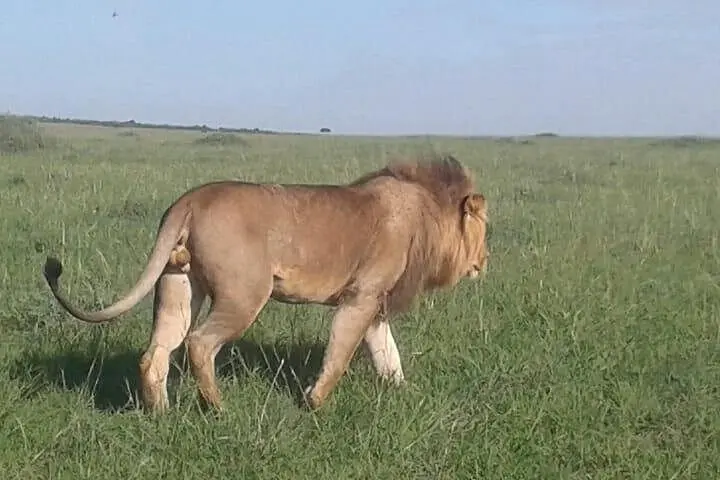
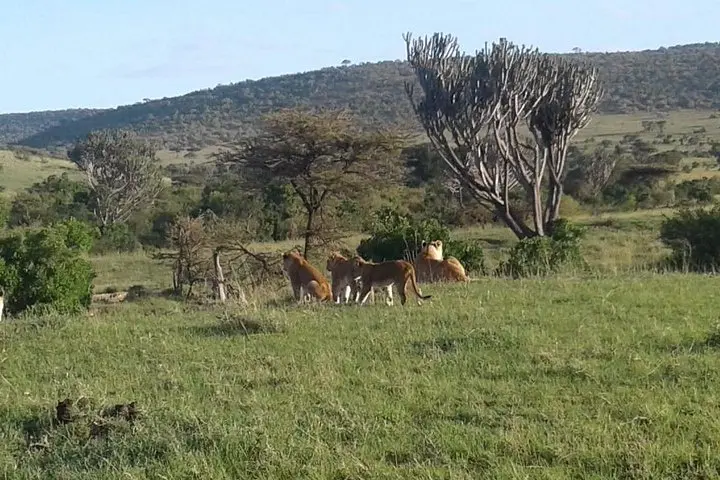
Dawn breaks over the Masai Mara in a wash of ochre and gold, and the land wakes in low, deliberate motion: wildebeest flow across the plains like a slow, determined tide while a lone lion lifts its head from tall grass.
Dawn breaks over the Masai Mara in a wash of ochre and gold, and the land wakes in low, deliberate motion: wildebeest flow across the plains like a slow, determined tide while a lone lion lifts its head from tall grass.
This four-day loop carries travelers from Nairobi across the escarpments of the Great Rift Valley into Masai Mara National Reserve — a section of the greater Serengeti ecosystem famed for its river crossings during the Great Migration — then west to Lake Nakuru, a smaller but ecologically vital park renowned for resident white rhino and large flocks of flamingos.
Geology here is old and readable: rift-valley faulting carved deep basins and raised ridgelines that shape drainage and wildlife routes. Culturally, the Maasai people remain visible custodians of the region, and optional village visits offer insight into age-set traditions and communal song and dance.
Expect full-day and early-morning game drives from a raised 4x4 vehicle, bumps and dust included, with guided stops for photography and short walks where permitted. Wildlife viewing is best kept patient — binoculars and quiet make the difference. Roads can be rough in the rains, so timing matters: drier months concentrate animals and make crossings more likely, while wet months turn the Mara into an intense green theater.
Practical tips: pack layered clothing for cool mornings, robust footwear for lodge approaches, sunscreen, insect protection, and a good camera with a telephoto lens. Bring necessary travel documents and confirm malaria prevention with a health professional before departure.