THE ADVENTURE COLLECTIVE® · Independent discovery and booking for outdoor travel

Spend four days exploring Masai Mara’s open plains by 4x4, chasing early-morning game drives, river crossings and tented-camp evenings. This compact safari balances wildlife viewing, local culture, and practical logistics for first-time and repeat visitors alike.
Spend four days exploring Masai Mara’s open plains by 4x4, chasing early-morning game drives, river crossings and tented-camp evenings. This compact safari balances wildlife viewing, local culture, and practical logistics for first-time and repeat visitors alike.
Early light lifts off the savanna like a held breath. You’ll be on a 4x4 at dawn, engine low, dust drifting behind as the Mara yawns open and a lone bull elephant crosses toward the river. Over four days—three nights—you move through grasslands and riverine forest, watching herds reshape the horizon and cats slip in and out of tall grass.
Verified experiences and guided adventures in the surrounding area.
Operated by Sergent Travel Point · Narok, Narok County
Early light lifts off the savanna like a held breath. You’ll be on a 4x4 at dawn, engine low, dust drifting behind as the Mara yawns open and a lone bull elephant crosses toward the river. Over four days—three nights—you move through grasslands and riverine forest, watching herds reshape the horizon and cats slip in and out of tall grass.
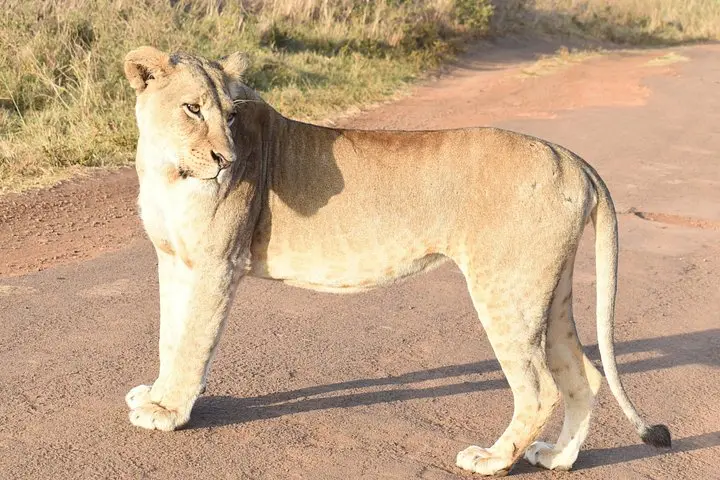
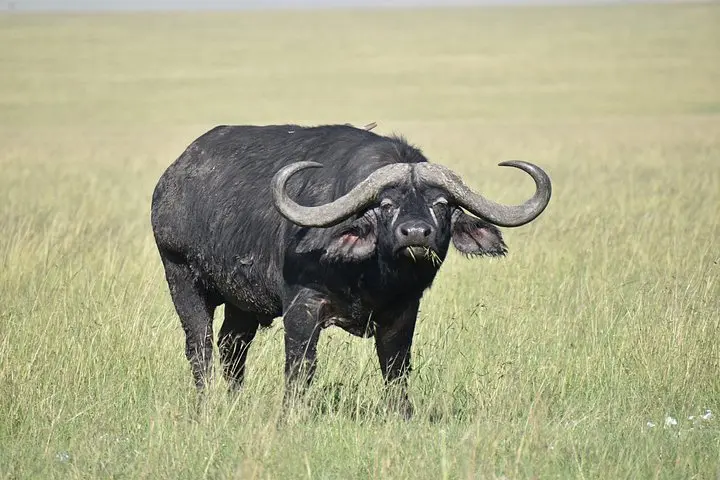
Masai Mara sits on the southwestern edge of Kenya’s Rift Valley, contiguous with Tanzania’s Serengeti. Formally protected in the mid-20th century, the Mara is famous for the annual wildebeest migration and year-round populations of the Big Five: lion, leopard, elephant, buffalo, and (rarely seen) black rhino. Geologically, the reserve follows the Mara and Talek rivers, with low escarpments and seasonally cut channels that become dramatic crossing sites during migration.
Culturally, this is Maasai country—semi-nomadic pastoralists who graze cattle here and run community conservancies that shape modern land use. Expect game drives at sunrise and late afternoon, optional balloon flights, and evenings in tented camps by watering holes where animals gather.
Practicalities: the transfer from Nairobi is typically 4–6 hours via the Great Rift Valley viewpoint; drives inside the park are on unpaved tracks. Pack sun protection, layered clothing for cool mornings, and binoculars. Follow guide directions on viewing distance and leave no trace—wildlife habituation and community relations depend on respectful behavior. With patient timing and a watchful guide, this four-day loop offers concentrated wildlife viewing and a clear window into East Africa’s most storied plains.
Expect about 4–6 hours each way by road depending on traffic, stops and road conditions; many operators depart early morning to arrive by midday.
The Great Migration is seasonal and moves; July–October has the highest probability of river crossings, but sightings depend on timing and herd movements—no operator can guarantee specific crossings.
Balloon rides are optional and typically booked and paid separately through licensed operators; confirm availability in advance as slots fill quickly.
Consult your healthcare provider for routine vaccinations, consider Yellow Fever requirements depending on travel history, and bring malaria prophylaxis and insect repellent as advised.
Sergent Travel Point operates guided outdoor trips and adventures with an emphasis on safety, stewardship, and memorable experiences.
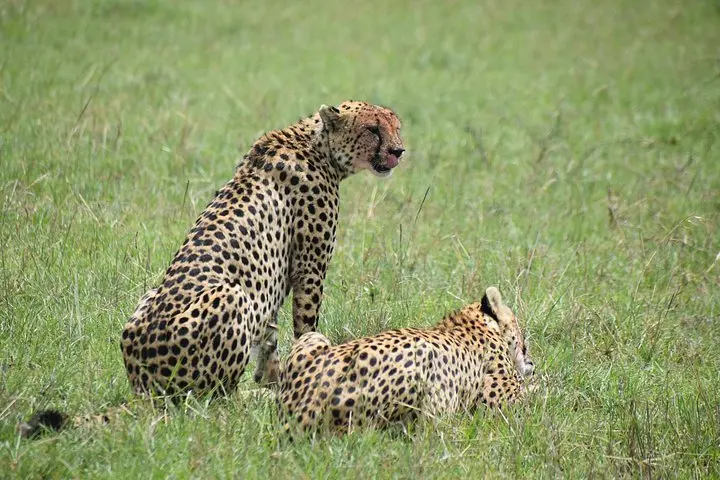
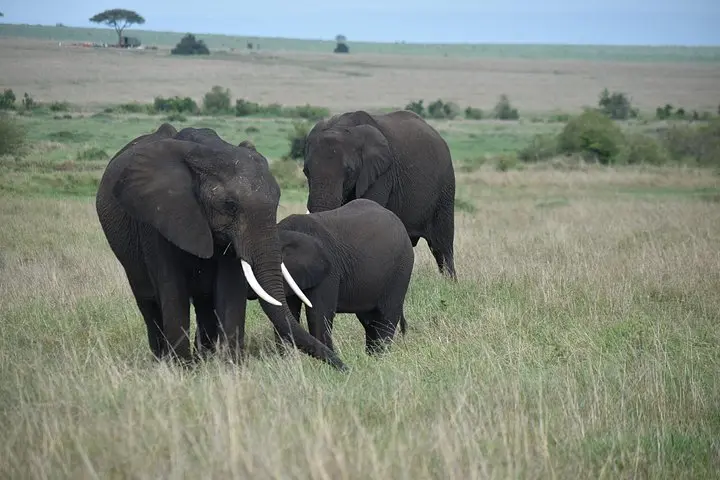
Early light lifts off the savanna like a held breath. You’ll be on a 4x4 at dawn, engine low, dust drifting behind as the Mara yawns open and a lone bull elephant crosses toward the river. Over four days—three nights—you move through grasslands and riverine forest, watching herds reshape the horizon and cats slip in and out of tall grass.
Early light lifts off the savanna like a held breath. You’ll be on a 4x4 at dawn, engine low, dust drifting behind as the Mara yawns open and a lone bull elephant crosses toward the river. Over four days—three nights—you move through grasslands and riverine forest, watching herds reshape the horizon and cats slip in and out of tall grass.
Masai Mara sits on the southwestern edge of Kenya’s Rift Valley, contiguous with Tanzania’s Serengeti. Formally protected in the mid-20th century, the Mara is famous for the annual wildebeest migration and year-round populations of the Big Five: lion, leopard, elephant, buffalo, and (rarely seen) black rhino. Geologically, the reserve follows the Mara and Talek rivers, with low escarpments and seasonally cut channels that become dramatic crossing sites during migration.
Culturally, this is Maasai country—semi-nomadic pastoralists who graze cattle here and run community conservancies that shape modern land use. Expect game drives at sunrise and late afternoon, optional balloon flights, and evenings in tented camps by watering holes where animals gather.
Practicalities: the transfer from Nairobi is typically 4–6 hours via the Great Rift Valley viewpoint; drives inside the park are on unpaved tracks. Pack sun protection, layered clothing for cool mornings, and binoculars. Follow guide directions on viewing distance and leave no trace—wildlife habituation and community relations depend on respectful behavior. With patient timing and a watchful guide, this four-day loop offers concentrated wildlife viewing and a clear window into East Africa’s most storied plains.