THE ADVENTURE COLLECTIVE® · Independent discovery and booking for outdoor travel

Four days in the Masai Mara means dawn game drives, lodge comfort and a chance at river-crossing drama during migration season. This guide covers what to expect, how to prepare and practical tips for maximizing wildlife viewing.
Four days in the Masai Mara means dawn game drives, lodge comfort and a chance at river-crossing drama during migration season. This guide covers what to expect, how to prepare and practical tips for maximizing wildlife viewing.
Dust lifts off red earth as a Land Cruiser powers away from Nairobi and down into the rim of the Great Rift Valley. By midday the horizon opens to acacia-dotted plains, ox-bow lakes glinting like mirrors and the Masai Mara’s big sky stretching toward the escarpment. Over three nights at a lodge such as Masai Mara Sopa, guests trade city noise for long game drives that place them close to lion prides, grazing herds and the seasonal drama of river crossings.
Verified experiences and guided adventures in the surrounding area.
Operated by Shagami Kenya Tours and Safaris · Masai Mara, Narok County
Dust lifts off red earth as a Land Cruiser powers away from Nairobi and down into the rim of the Great Rift Valley. By midday the horizon opens to acacia-dotted plains, ox-bow lakes glinting like mirrors and the Masai Mara’s big sky stretching toward the escarpment. Over three nights at a lodge such as Masai Mara Sopa, guests trade city noise for long game drives that place them close to lion prides, grazing herds and the seasonal drama of river crossings.
Geology and history arrive together: the Mara sits on Rift Valley fault lines, shaped by erosion and rivers that cut escarpments and formed the floodplains where wildlife congregates. The Maasai people have grazed these plains for generations; it’s common to spot a Maasai moran tending cattle in the same frame as a grazing gazelle. Colonial-era films first drew outside eyes here, but the Mara’s reputation rests with its wildlife—over 95 mammal species and more than 400 birds—and the annual wildebeest migration that can turn the Mara River into a gauntlet.
Practical guidance: departures typically leave Nairobi around 7:00 a.m.; road transfer is roughly 5–6 hours depending on stops. Park entrance fees vary seasonally (check current rates—fees rise in the July–December window). Expect early starts for dawn drives and long afternoons with siesta windows at the lodge. Pack neutral clothing, sun protection, binoculars and a telephoto lens; keep water and snacks handy in the vehicle. Respect ranger instructions and Maasai community boundaries—maintain distance from wildlife and minimize noise. Whether you want patient cat-watching or the thunder of a migration crossing, a four-day Mara lodge safari balances comfort with intense, up-close game viewing.
Expect roughly 5–6 hours by road with a mid-route stop; departure is commonly around 7:00 a.m. to maximize game-viewing time.
Park fees are not included in the base price and vary by season—check current rates and bring USD for payment at park gates.
Many operators offer optional hot air balloon safaris at extra cost; book in advance as availability is limited and weather-dependent.
Children are generally welcome but park rules and lodge policies vary; note that fees for children are lower but infants may be required to sit on laps during transfers.
Shagami Kenya Tours and Safaris operates guided outdoor trips and adventures with an emphasis on safety, stewardship, and memorable experiences.
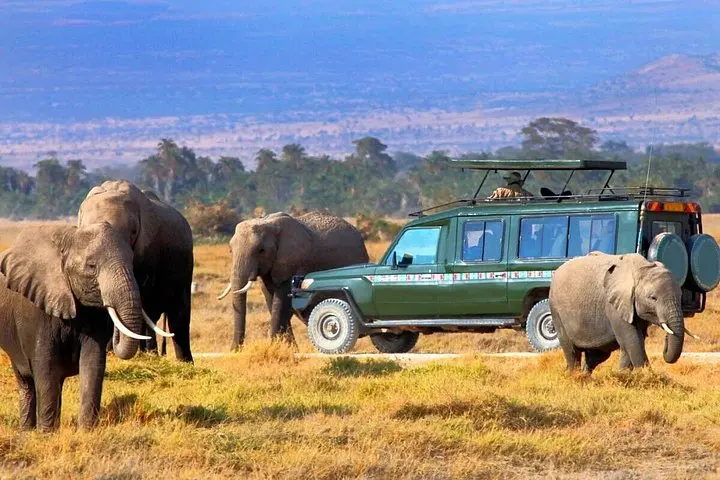
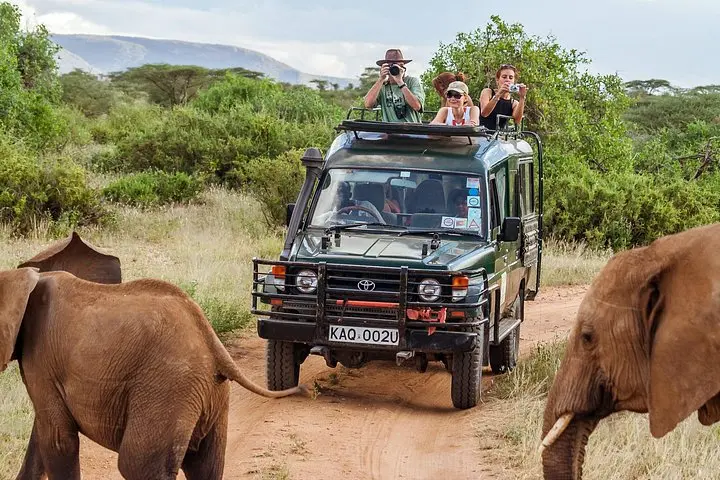
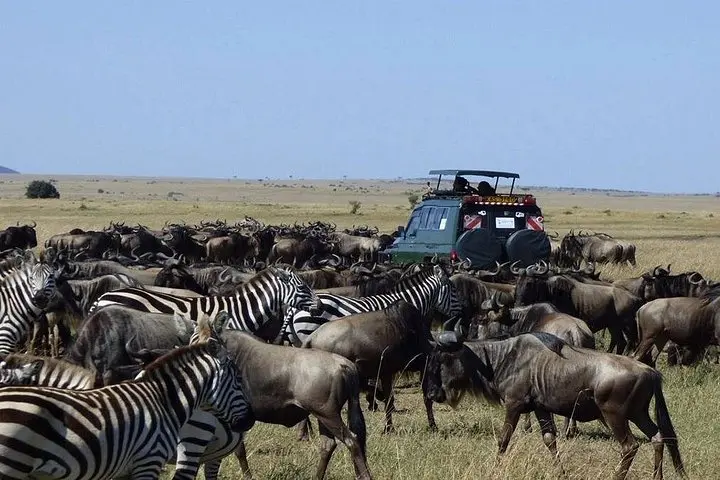
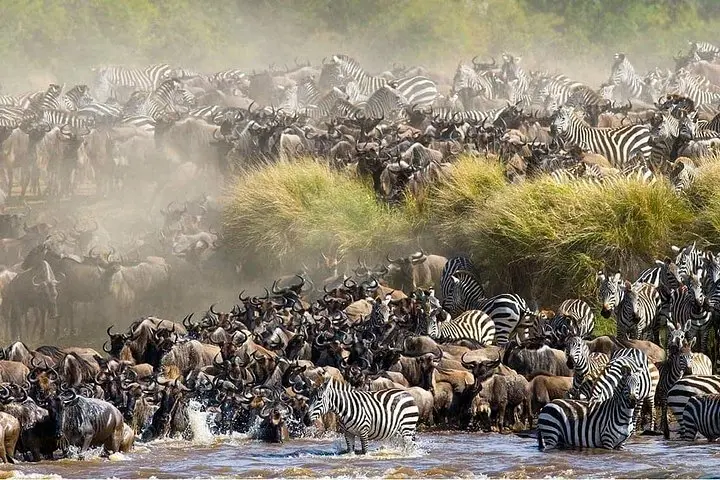
Dust lifts off red earth as a Land Cruiser powers away from Nairobi and down into the rim of the Great Rift Valley. By midday the horizon opens to acacia-dotted plains, ox-bow lakes glinting like mirrors and the Masai Mara’s big sky stretching toward the escarpment. Over three nights at a lodge such as Masai Mara Sopa, guests trade city noise for long game drives that place them close to lion prides, grazing herds and the seasonal drama of river crossings.
Dust lifts off red earth as a Land Cruiser powers away from Nairobi and down into the rim of the Great Rift Valley. By midday the horizon opens to acacia-dotted plains, ox-bow lakes glinting like mirrors and the Masai Mara’s big sky stretching toward the escarpment. Over three nights at a lodge such as Masai Mara Sopa, guests trade city noise for long game drives that place them close to lion prides, grazing herds and the seasonal drama of river crossings.
Geology and history arrive together: the Mara sits on Rift Valley fault lines, shaped by erosion and rivers that cut escarpments and formed the floodplains where wildlife congregates. The Maasai people have grazed these plains for generations; it’s common to spot a Maasai moran tending cattle in the same frame as a grazing gazelle. Colonial-era films first drew outside eyes here, but the Mara’s reputation rests with its wildlife—over 95 mammal species and more than 400 birds—and the annual wildebeest migration that can turn the Mara River into a gauntlet.
Practical guidance: departures typically leave Nairobi around 7:00 a.m.; road transfer is roughly 5–6 hours depending on stops. Park entrance fees vary seasonally (check current rates—fees rise in the July–December window). Expect early starts for dawn drives and long afternoons with siesta windows at the lodge. Pack neutral clothing, sun protection, binoculars and a telephoto lens; keep water and snacks handy in the vehicle. Respect ranger instructions and Maasai community boundaries—maintain distance from wildlife and minimize noise. Whether you want patient cat-watching or the thunder of a migration crossing, a four-day Mara lodge safari balances comfort with intense, up-close game viewing.