THE ADVENTURE COLLECTIVE® · Independent discovery and booking for outdoor travel

Spend four days tracking the Big Five across the Masai Mara, punctuated by a Maasai village dance and full‑day game drives. This concise guide explains what to expect — from migration timing to packing and cultural etiquette.
Spend four days tracking the Big Five across the Masai Mara, punctuated by a Maasai village dance and full‑day game drives. This concise guide explains what to expect — from migration timing to packing and cultural etiquette.
You arrive at dawn to a horizon the color of burnt gold and wind that seems to push the tall grass into motion, as if the Mara itself is guiding your jeep down an animal-worn track.
Verified experiences and guided adventures in the surrounding area.
Operated by Mara And Serengeti Expeditions Ltd · Masai Mara, Narok County
You arrive at dawn to a horizon the color of burnt gold and wind that seems to push the tall grass into motion, as if the Mara itself is guiding your jeep down an animal-worn track.
The Masai Mara National Reserve sits on the floor of the Great Rift Valley, shaped by tectonic forces that created escarpments and river valleys where game congregates. The Mara’s open plains and riverine forests host year‑round residents — elephants, lions, leopards, buffalo and rhino — and from July to October the plains erupt with the Great Migration as wildebeest and zebra river-crossings test both herd instinct and predator patience.
Culturally, the Maasai people remain visible partners in this landscape. Villages near the reserve maintain traditional song, dress and dance; a guided visit with a local boma offers an introduction to their history, pastoral ways and contemporary conservation roles.
Practically: expect long but comfortable game‑drive days in a pop‑up safari vehicle, early starts to catch predators at their most active, and game viewing from within the vehicle rather than on foot. Lodges like Mara Sopa sit close to water and hippo pools where picnic lunches are common.
Pack for variable weather — intense equatorial sun by noon and chill in the early morning — bring binoculars, a good telephoto lens, and rechargeable power with adapters. Respect local guides’ instructions around wildlife; approach sightings quietly, keep windows partially closed when predators are near, and support conservancies that fund anti-poaching and community projects.
The Mara hosts the migration primarily July through October when herds cross from the Serengeti — river crossings are most dramatic in July–August and again in September–October depending on rains.
Vaccinations such as yellow fever (if arriving from a high-risk country), tetanus and routine immunizations are recommended; check Kenya’s visa rules and health requirements before travel.
Drivers maintain distance and follow park rules; vehicles approach quietly but stay outside immediate strike range — always follow your guide’s safety instructions.
Yes, guided visits are organized with local hosts; ask before photographing and follow the guide’s directions to respect customs and privacy.
Mara And Serengeti Expeditions Ltd operates guided outdoor trips and adventures with an emphasis on safety, stewardship, and memorable experiences.

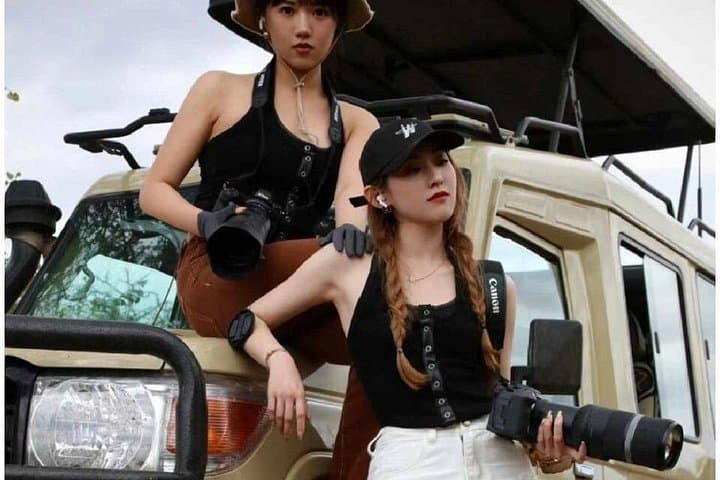


You arrive at dawn to a horizon the color of burnt gold and wind that seems to push the tall grass into motion, as if the Mara itself is guiding your jeep down an animal-worn track.
You arrive at dawn to a horizon the color of burnt gold and wind that seems to push the tall grass into motion, as if the Mara itself is guiding your jeep down an animal-worn track.
The Masai Mara National Reserve sits on the floor of the Great Rift Valley, shaped by tectonic forces that created escarpments and river valleys where game congregates. The Mara’s open plains and riverine forests host year‑round residents — elephants, lions, leopards, buffalo and rhino — and from July to October the plains erupt with the Great Migration as wildebeest and zebra river-crossings test both herd instinct and predator patience.
Culturally, the Maasai people remain visible partners in this landscape. Villages near the reserve maintain traditional song, dress and dance; a guided visit with a local boma offers an introduction to their history, pastoral ways and contemporary conservation roles.
Practically: expect long but comfortable game‑drive days in a pop‑up safari vehicle, early starts to catch predators at their most active, and game viewing from within the vehicle rather than on foot. Lodges like Mara Sopa sit close to water and hippo pools where picnic lunches are common.
Pack for variable weather — intense equatorial sun by noon and chill in the early morning — bring binoculars, a good telephoto lens, and rechargeable power with adapters. Respect local guides’ instructions around wildlife; approach sightings quietly, keep windows partially closed when predators are near, and support conservancies that fund anti-poaching and community projects.