THE ADVENTURE COLLECTIVE® · Independent discovery and booking for outdoor travel

Ride camels over the towering Erg Chebbi dunes, sleep in a private luxury desert camp, and pass through legendary kasbahs and mountain passes on a four-day loop from Marrakech. This tour blends dramatic desert scenery with cultural stops and comfortable accommodations.
Ride camels over the towering Erg Chebbi dunes, sleep in a private luxury desert camp, and pass through legendary kasbahs and mountain passes on a four-day loop from Marrakech. This tour blends dramatic desert scenery with cultural stops and comfortable accommodations.
A low sun paints the dunes gold as camels file across an ocean of sand and the wind sculpts new ridgelines behind you. In Merzouga the desert feels alive: the dunes dare you forward, the night sky opens without obstruction, and the camp’s lanterns offer a warm human pulse against the vast, cool dark.
Verified experiences and guided adventures in the surrounding area.
Operated by Morocco Marrakech Travel · Merzouga, Drâa-Tafilalet
A low sun paints the dunes gold as camels file across an ocean of sand and the wind sculpts new ridgelines behind you. In Merzouga the desert feels alive: the dunes dare you forward, the night sky opens without obstruction, and the camp’s lanterns offer a warm human pulse against the vast, cool dark.
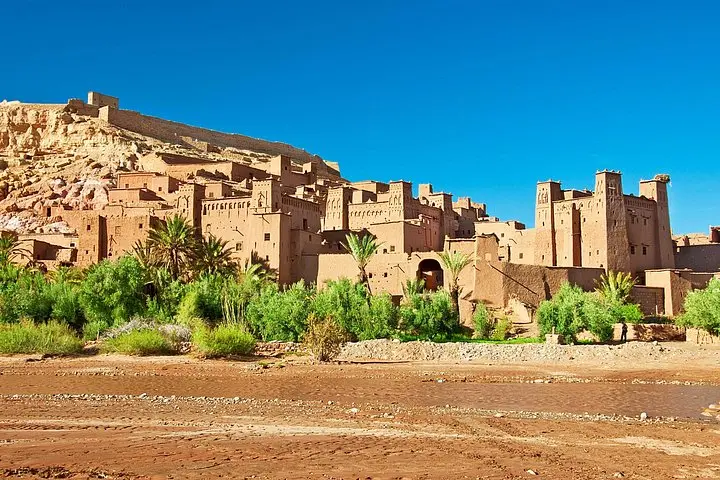
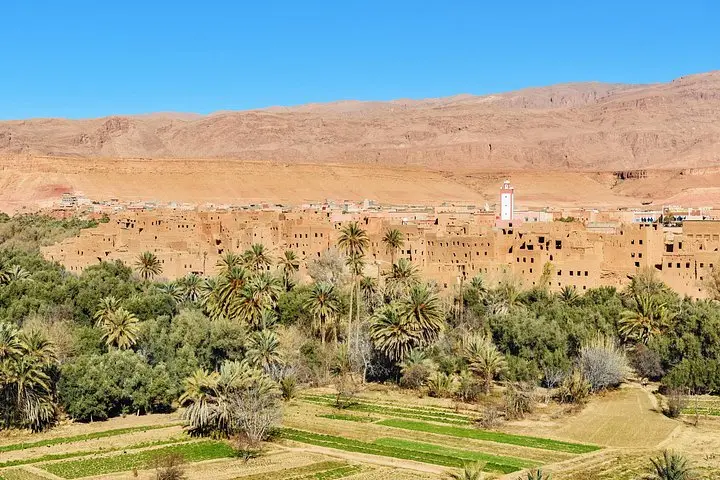
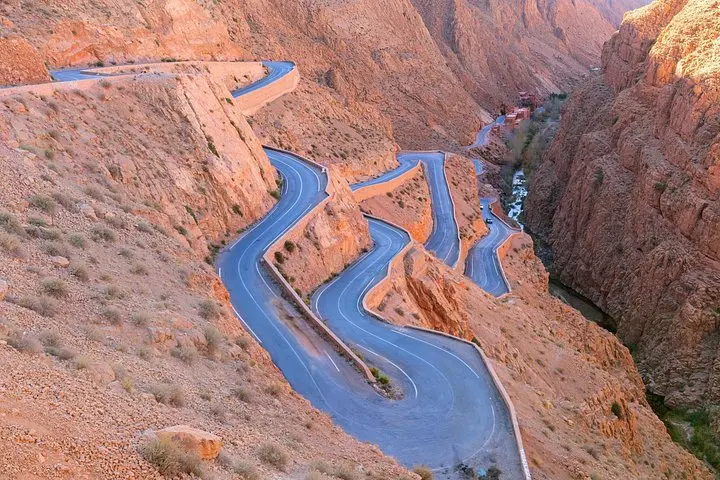
This route traces centuries-old caravan roads from Marrakech over Tizi n’Tichka (about 2,260 m) through Ait Ben Haddou’s clay kasbahs and into the Erg Chebbi sea—dunes that reach roughly 100–150 meters. Geology here is simple and dramatic: wind-winnowed sand that migrates and reforms, edged by limestone gorges and fertile oases in the Dades and Draa valleys. Culturally, the trip is a study in Berber hospitality—mint tea ceremonies, Gnawa music by the campfire, and market life in Rissani where Majhoul dates rule.
Practicalities matter: expect long drives broken by photo stops and short hikes in Todra Gorge. Camel transfers over sand are slow but steady; camps range from traditional to luxury tents with comfortable bedding. Bring sun protection, a warm layer for desert nights, and sturdy shoes for rocky side excursions. Hydrate frequently and plan sunrise or sunset for the best light and cooler temperatures. Travelers with back or heart issues, or who are pregnant, should avoid camel rides and check medical advice before booking.
This four-day itinerary is sensory and deliberate—desert travel that balances cinematic landscapes with tangible comforts and clear logistics.
With stops at Tizi n’Tichka, Ait Ben Haddou, and Dades Valley expect 8–10 hours spread over the first two travel days; the itinerary breaks the journey into manageable segments.
Yes—local handlers lead single-file camel treks over moderate distances; however, they are bumpy and not recommended for those with severe back or heart conditions or pregnancies.
This private tour typically includes transport in an AC vehicle, breakfast and dinner as listed, entrance fees where noted, camel ride to camp, and overnight stays in riads and a luxury desert camp.
Luxury camps provide bedding and sometimes heating; still bring warm layers and a hat—nights can fall below 5°C (41°F) in winter.
Morocco Marrakech Travel operates guided outdoor trips and adventures with an emphasis on safety, stewardship, and memorable experiences.
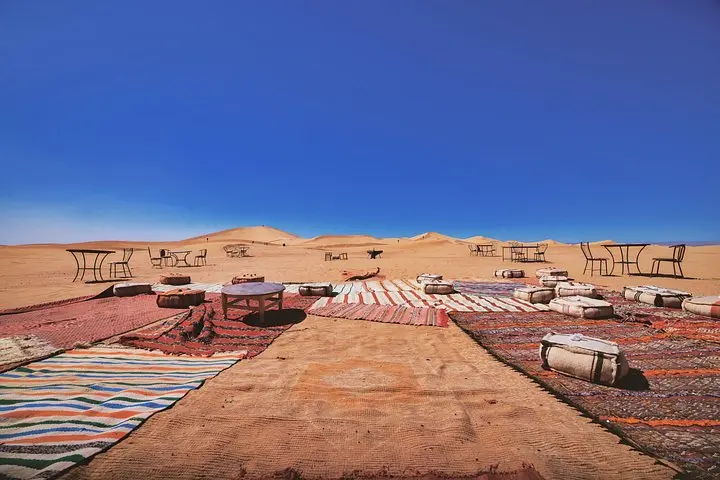
A low sun paints the dunes gold as camels file across an ocean of sand and the wind sculpts new ridgelines behind you. In Merzouga the desert feels alive: the dunes dare you forward, the night sky opens without obstruction, and the camp’s lanterns offer a warm human pulse against the vast, cool dark.
A low sun paints the dunes gold as camels file across an ocean of sand and the wind sculpts new ridgelines behind you. In Merzouga the desert feels alive: the dunes dare you forward, the night sky opens without obstruction, and the camp’s lanterns offer a warm human pulse against the vast, cool dark.
This route traces centuries-old caravan roads from Marrakech over Tizi n’Tichka (about 2,260 m) through Ait Ben Haddou’s clay kasbahs and into the Erg Chebbi sea—dunes that reach roughly 100–150 meters. Geology here is simple and dramatic: wind-winnowed sand that migrates and reforms, edged by limestone gorges and fertile oases in the Dades and Draa valleys. Culturally, the trip is a study in Berber hospitality—mint tea ceremonies, Gnawa music by the campfire, and market life in Rissani where Majhoul dates rule.
Practicalities matter: expect long drives broken by photo stops and short hikes in Todra Gorge. Camel transfers over sand are slow but steady; camps range from traditional to luxury tents with comfortable bedding. Bring sun protection, a warm layer for desert nights, and sturdy shoes for rocky side excursions. Hydrate frequently and plan sunrise or sunset for the best light and cooler temperatures. Travelers with back or heart issues, or who are pregnant, should avoid camel rides and check medical advice before booking.
This four-day itinerary is sensory and deliberate—desert travel that balances cinematic landscapes with tangible comforts and clear logistics.