THE ADVENTURE COLLECTIVE® · Independent discovery and booking for outdoor travel

A four-day route from Marrakech to Merzouga that blends high Atlas passes, UNESCO-listed Ait Benhaddou and nights under Sahara stars. Expect long drives, intimate cultural stops with Berber families, and an overnight camel trek into Erg Chebbi dunes.
A four-day route from Marrakech to Merzouga that blends high Atlas passes, UNESCO-listed Ait Benhaddou and nights under Sahara stars. Expect long drives, intimate cultural stops with Berber families, and an overnight camel trek into Erg Chebbi dunes.
You crest Tizi n’Tichka as the road folds over the High Atlas and the world opens into colors—ochre villages, serrated passes and a sky that widens with every kilometer. By evening the dunes of Erg Chebbi appear like a moving coastline of gold; camels pick their steps and the wind writes new ridges while a Bedouin camp readies a cooking fire.
Verified experiences and guided adventures in the surrounding area.
Operated by MSITravels · Merzouga, Drâa-Tafilalet
You crest Tizi n’Tichka as the road folds over the High Atlas and the world opens into colors—ochre villages, serrated passes and a sky that widens with every kilometer. By evening the dunes of Erg Chebbi appear like a moving coastline of gold; camels pick their steps and the wind writes new ridges while a Bedouin camp readies a cooking fire.
This itinerary threads geology and history: the High Atlas rise from tectonic uplift, the Tizi n’Tichka pass reaches 2,260 m, and the mud-brick ksar of Ait Benhaddou—an 11th-century fortified village—has watched caravans and film crews pass through. South of the Atlas, Todgha and Dades gorges cut dramatic canyons through Jurassic limestone; near Erfoud, millions-year-old fossils surface in the desert wash.
Culture is lived close to the ground here—Berber kasbahs, saffron fields around Taliouine and family-run kitchens invite hands-on encounters, while women’s cooperatives around Taroudant offer textiles and argan or saffron stories.
Practical guide: expect long driving days balanced by slow desert hours. Carry at least 2–3 liters of water, sun protection and layers for cool nights (desert temps swing sharply). Motion-sickness remedies help for the Tizi n’Tichka switchbacks. Plan for basic but comfortable lodgings—guesthouses, a kasbah hotel and one night in a Bedouin tent after a camel trek at sunset. Cash (dirham) is useful in small towns; bring a compact daypack for dune walks, a headlamp for camps, and a spare battery for photos—night skies here are a main attraction.
The tour is moderate: most travel is by private vehicle, with short walks, a camel ride and one night in a desert tent—no technical skills required.
You’ll stay in local guesthouses and a Kasbah-style hotel, with one night in a Bedouin-style tent that has basic bedding and communal facilities.
The operator lists the tour as physically easy overall, but camel rides and dune walking may be difficult for some; discuss needs at booking for accessible transport or alternatives.
Carry Moroccan dirhams for small purchases and local vendors; tipping (5–10% or small amounts per service) is appreciated for guides, drivers and camp staff.
MSITravels operates guided outdoor trips and adventures with an emphasis on safety, stewardship, and memorable experiences.
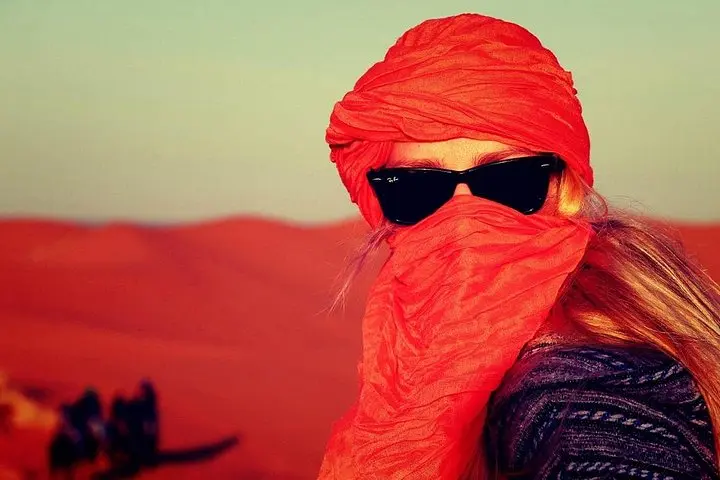
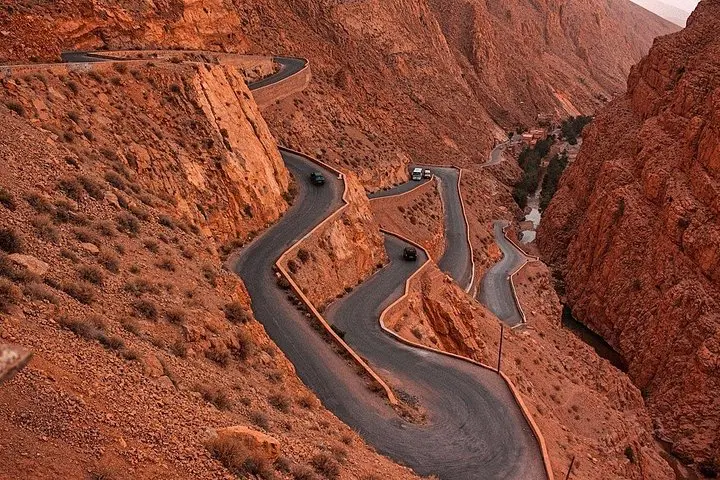
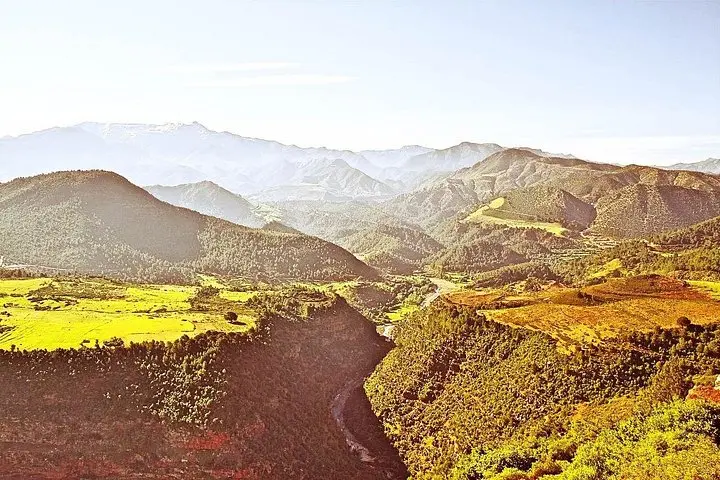
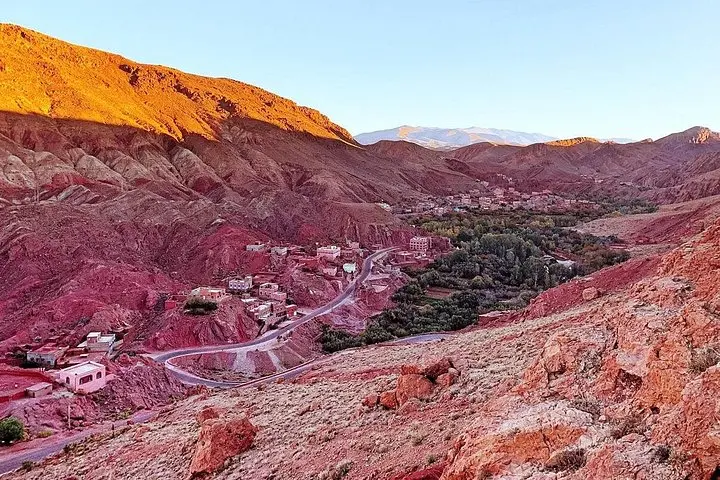
You crest Tizi n’Tichka as the road folds over the High Atlas and the world opens into colors—ochre villages, serrated passes and a sky that widens with every kilometer. By evening the dunes of Erg Chebbi appear like a moving coastline of gold; camels pick their steps and the wind writes new ridges while a Bedouin camp readies a cooking fire.
You crest Tizi n’Tichka as the road folds over the High Atlas and the world opens into colors—ochre villages, serrated passes and a sky that widens with every kilometer. By evening the dunes of Erg Chebbi appear like a moving coastline of gold; camels pick their steps and the wind writes new ridges while a Bedouin camp readies a cooking fire.
This itinerary threads geology and history: the High Atlas rise from tectonic uplift, the Tizi n’Tichka pass reaches 2,260 m, and the mud-brick ksar of Ait Benhaddou—an 11th-century fortified village—has watched caravans and film crews pass through. South of the Atlas, Todgha and Dades gorges cut dramatic canyons through Jurassic limestone; near Erfoud, millions-year-old fossils surface in the desert wash.
Culture is lived close to the ground here—Berber kasbahs, saffron fields around Taliouine and family-run kitchens invite hands-on encounters, while women’s cooperatives around Taroudant offer textiles and argan or saffron stories.
Practical guide: expect long driving days balanced by slow desert hours. Carry at least 2–3 liters of water, sun protection and layers for cool nights (desert temps swing sharply). Motion-sickness remedies help for the Tizi n’Tichka switchbacks. Plan for basic but comfortable lodgings—guesthouses, a kasbah hotel and one night in a Bedouin tent after a camel trek at sunset. Cash (dirham) is useful in small towns; bring a compact daypack for dune walks, a headlamp for camps, and a spare battery for photos—night skies here are a main attraction.