THE ADVENTURE COLLECTIVE® · Independent discovery and booking for outdoor travel

A compact four-day itinerary that pairs early-morning walking safaris in Mole National Park with homestay hospitality in Damongo and a canoe outing at Mognori. Expect close wildlife encounters, community-led tours, and practical, early starts.
A compact four-day itinerary that pairs early-morning walking safaris in Mole National Park with homestay hospitality in Damongo and a canoe outing at Mognori. Expect close wildlife encounters, community-led tours, and practical, early starts.
You step off the small domestic flight into Tamale and the air changes—drier, warmer, filled with the low hum of a savannah afternoon. By the time the van rolls into Damongo, red earth and tall grass have edged out the city; host families wait with cooling water and stories. Over the next four days you move at the rhythm of the land: an early morning walking safari where tracks and distant trumpets announce elephants, a late-afternoon game drive that lets the light reveal roan and kob, and a canoe glide through reed-lined channels that dare you to read the river’s moods.
Verified experiences and guided adventures in the surrounding area.
Operated by Mole Boy Travel & Safe Guide Tours · Damongo, Savannah Region
You step off the small domestic flight into Tamale and the air changes—drier, warmer, filled with the low hum of a savannah afternoon. By the time the van rolls into Damongo, red earth and tall grass have edged out the city; host families wait with cooling water and stories. Over the next four days you move at the rhythm of the land: an early morning walking safari where tracks and distant trumpets announce elephants, a late-afternoon game drive that lets the light reveal roan and kob, and a canoe glide through reed-lined channels that dare you to read the river’s moods.
The route threads local history and geology: Larabanga Mosque, one of West Africa’s oldest mud-and-stick mosques, anchors centuries of Sahelian trade routes, while the Mole landscape—ancient ferruginous soils carved into seasonal pans—shapes where animals drink and birds roost. Cultural exchange is woven into the nights: homestay meals, movie nights with hosts, and conversations that explain farming cycles and community conservation efforts.
Practically, expect early starts (walking safaris around 7am), dusty roads, and short drives—Damongo sits roughly 125 km (about 3 hours) from Tamale by road; Mole National Park is a brief transfer from Damongo. Wear closed, grippy shoes, carry 2–3 liters of water for outings, and pack insect repellent and sun protection. Respect local customs in homestays, keep distance from wildlife, and follow guides’ instructions on walks and canoe trips. The experience balances uncomplicated physical activity with rich wildlife viewing and genuine cultural immersion—ideal for travelers seeking hands-on, low-impact safari and community connection.
Consult a travel health clinic before departure; malaria prophylaxis is commonly recommended for northern Ghana and routine vaccinations should be up to date.
Guides maintain safety distances; walking safaris may approach tracks and watering areas but you will not be allowed to approach or feed elephants—always follow guide instructions.
This itinerary uses family homestays in Damongo with basic but clean sleeping arrangements and prepared local meals; expectations should be modest and respectful of local life.
English is widely spoken in tourism contexts, but local languages like Dagbani and Gonja are common; a local guide is included for all wildlife and village activities.
Mole Boy Travel & Safe Guide Tours operates guided outdoor trips and adventures with an emphasis on safety, stewardship, and memorable experiences.
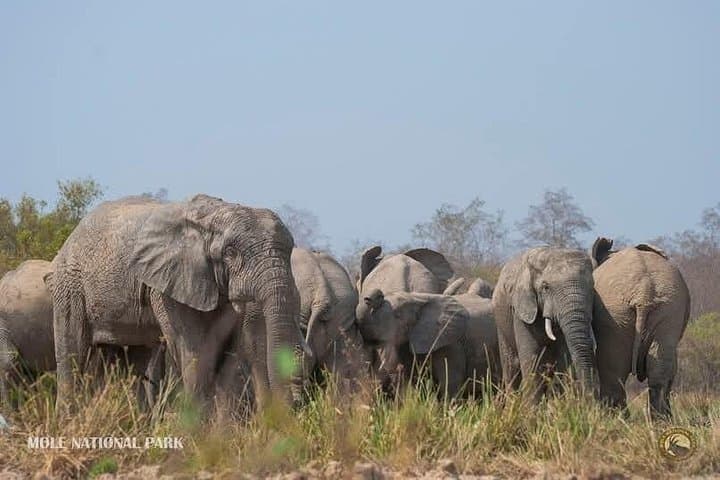
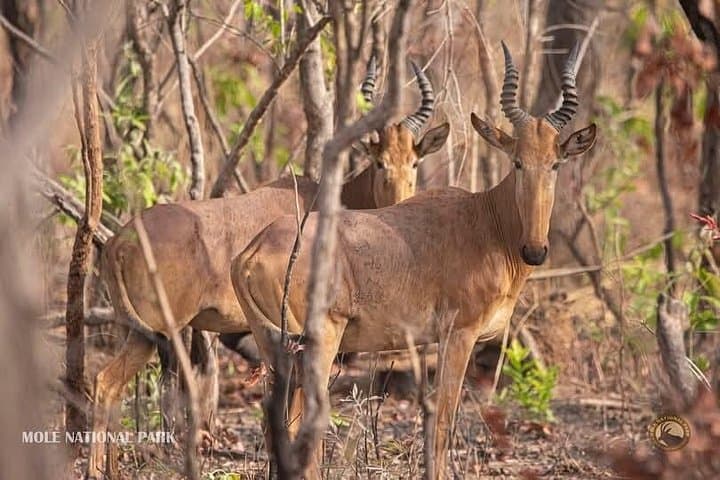

You step off the small domestic flight into Tamale and the air changes—drier, warmer, filled with the low hum of a savannah afternoon. By the time the van rolls into Damongo, red earth and tall grass have edged out the city; host families wait with cooling water and stories. Over the next four days you move at the rhythm of the land: an early morning walking safari where tracks and distant trumpets announce elephants, a late-afternoon game drive that lets the light reveal roan and kob, and a canoe glide through reed-lined channels that dare you to read the river’s moods.
You step off the small domestic flight into Tamale and the air changes—drier, warmer, filled with the low hum of a savannah afternoon. By the time the van rolls into Damongo, red earth and tall grass have edged out the city; host families wait with cooling water and stories. Over the next four days you move at the rhythm of the land: an early morning walking safari where tracks and distant trumpets announce elephants, a late-afternoon game drive that lets the light reveal roan and kob, and a canoe glide through reed-lined channels that dare you to read the river’s moods.
The route threads local history and geology: Larabanga Mosque, one of West Africa’s oldest mud-and-stick mosques, anchors centuries of Sahelian trade routes, while the Mole landscape—ancient ferruginous soils carved into seasonal pans—shapes where animals drink and birds roost. Cultural exchange is woven into the nights: homestay meals, movie nights with hosts, and conversations that explain farming cycles and community conservation efforts.
Practically, expect early starts (walking safaris around 7am), dusty roads, and short drives—Damongo sits roughly 125 km (about 3 hours) from Tamale by road; Mole National Park is a brief transfer from Damongo. Wear closed, grippy shoes, carry 2–3 liters of water for outings, and pack insect repellent and sun protection. Respect local customs in homestays, keep distance from wildlife, and follow guides’ instructions on walks and canoe trips. The experience balances uncomplicated physical activity with rich wildlife viewing and genuine cultural immersion—ideal for travelers seeking hands-on, low-impact safari and community connection.